Best Nonprofit Animated Videos of 2026 (March)
March is when everyone pretends winter is over. Coats come off two weeks too early. Someone always gets sunburnt in a park. The collective delusion that spring has arrived is quite charming, really.
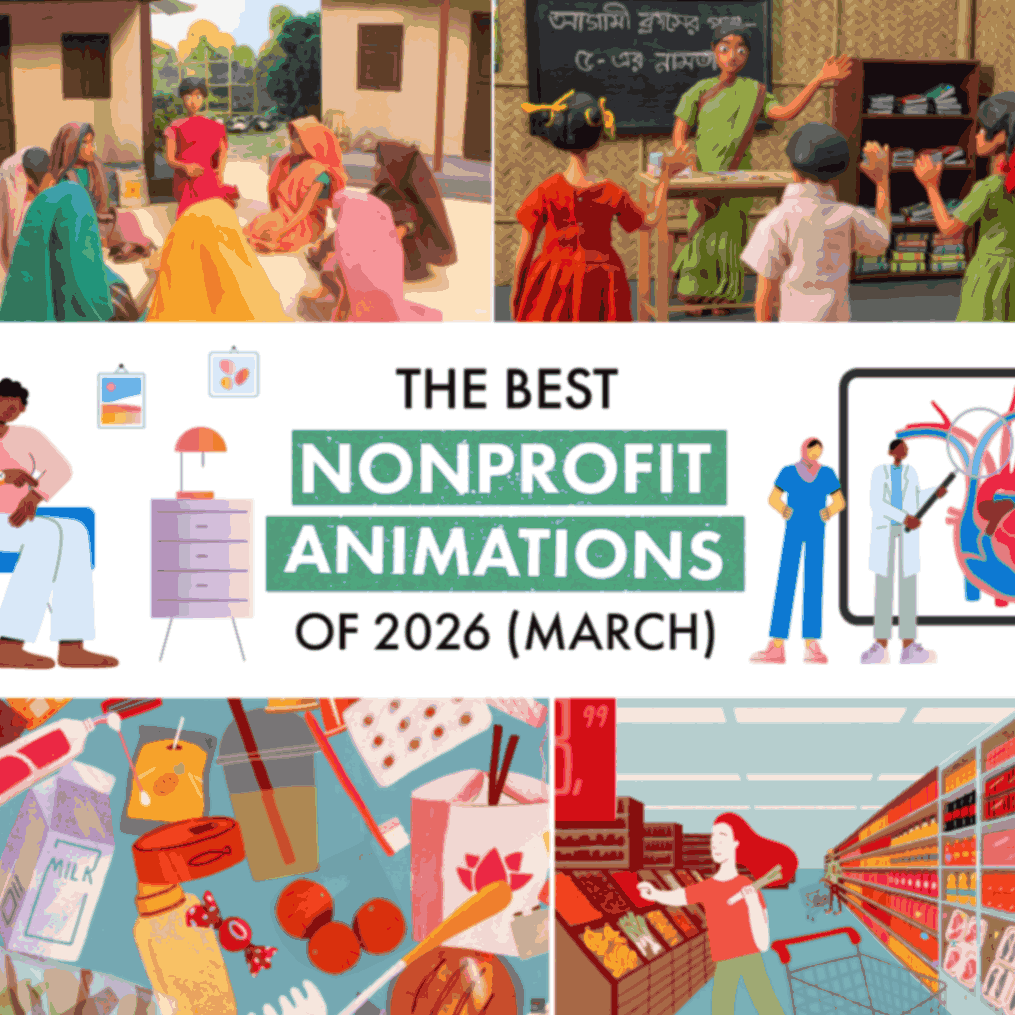
March's nonprofit animations delivered without the delusion. BRAC built tiny puppet words by hand for stories about craft and education. TED-Ed explained microplastics clearly despite the grim news. We made a heart explainer video for the British Heart Foundation that explains how hearts actually work.
Two stop-motion films that required ludicrous patience. One microplastic explainer with surprisingly good news at the end. One healthcare video from our 2D animation studio. March delivered.
Best NGO Animation
BRAC's "Aarong: More Than a Brand" & "How Education Became Accessible"
BRAC is one of the largest development organisations in the world, which makes their commitment to stop-motion even more remarkable. This production method takes significantly longer than typical vector illustration animation. BRAC chose it deliberately.
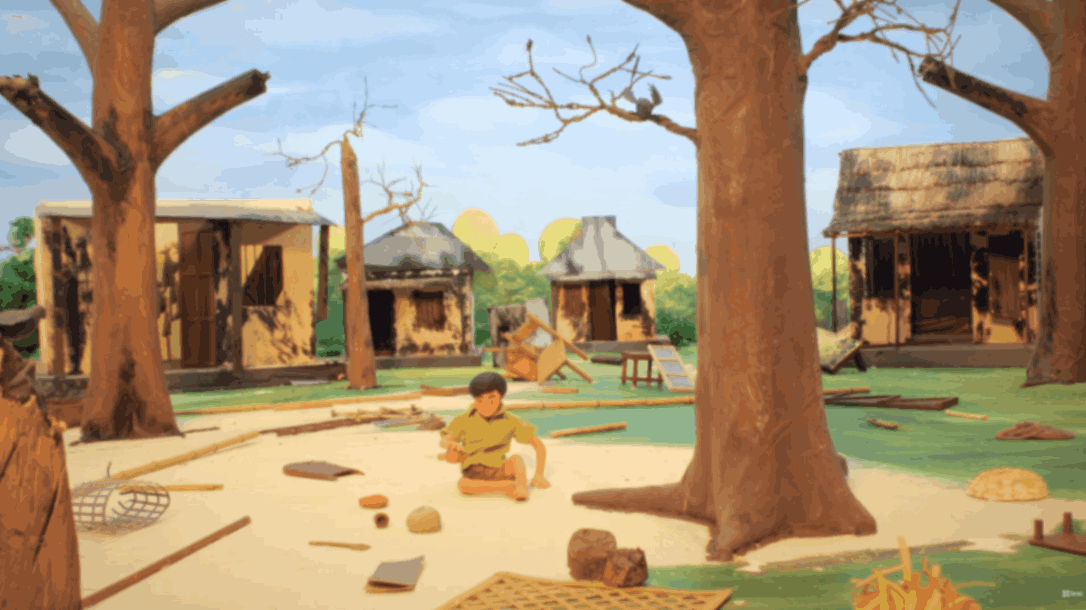
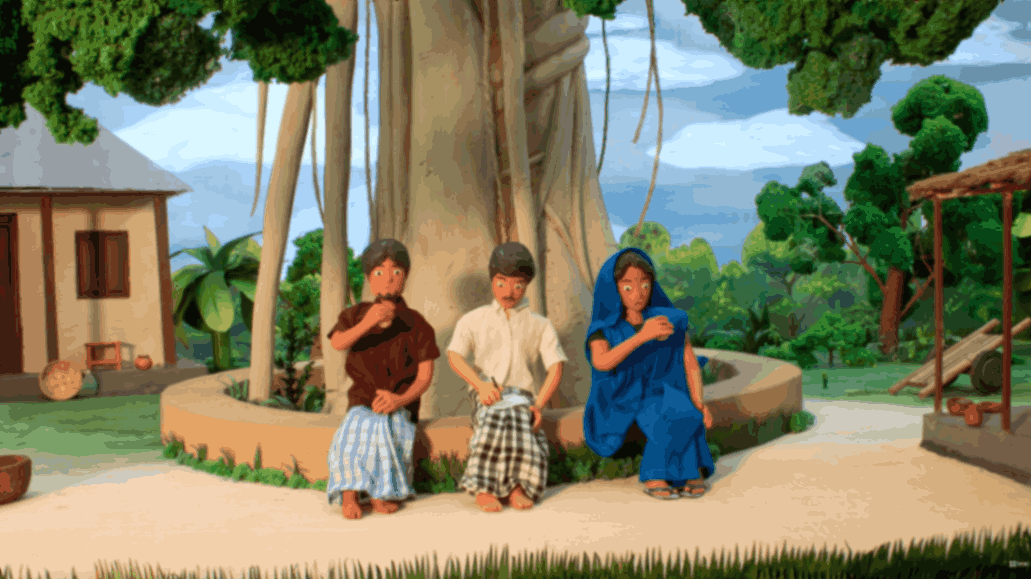
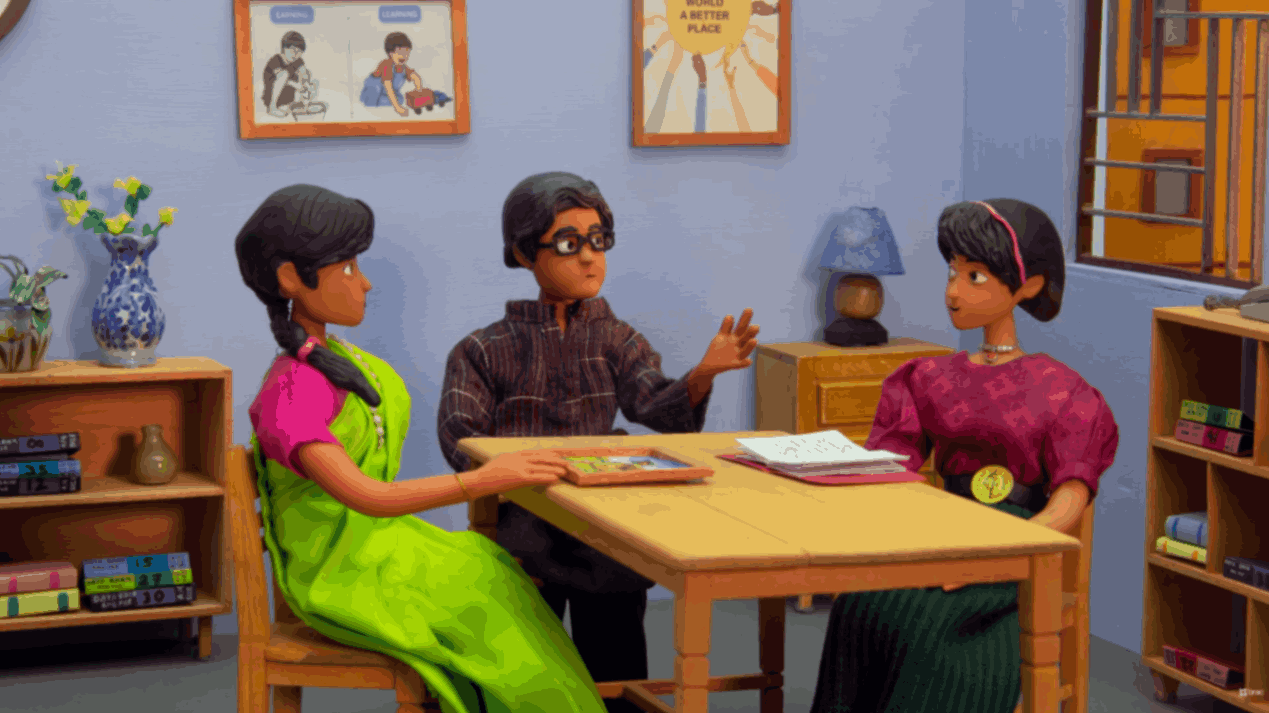
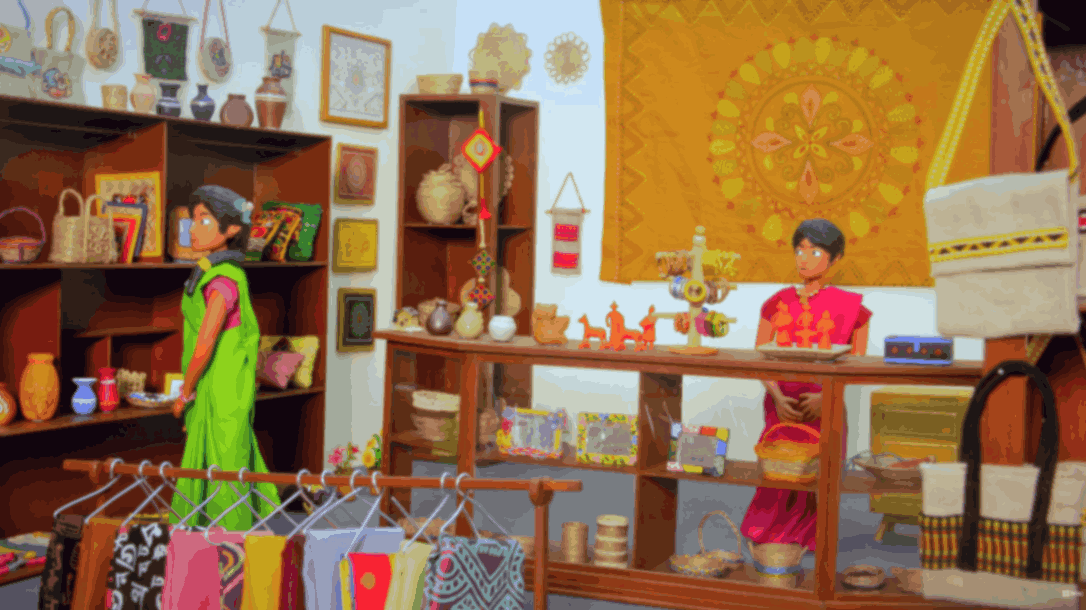
Both use handcrafted stop-motion. One follows Aarong, BRAC's retail enterprise connecting rural artisans with people who will pay for handmade things. The other traces how BRAC built 64,000 schools after a mother asked: "What about our children?"
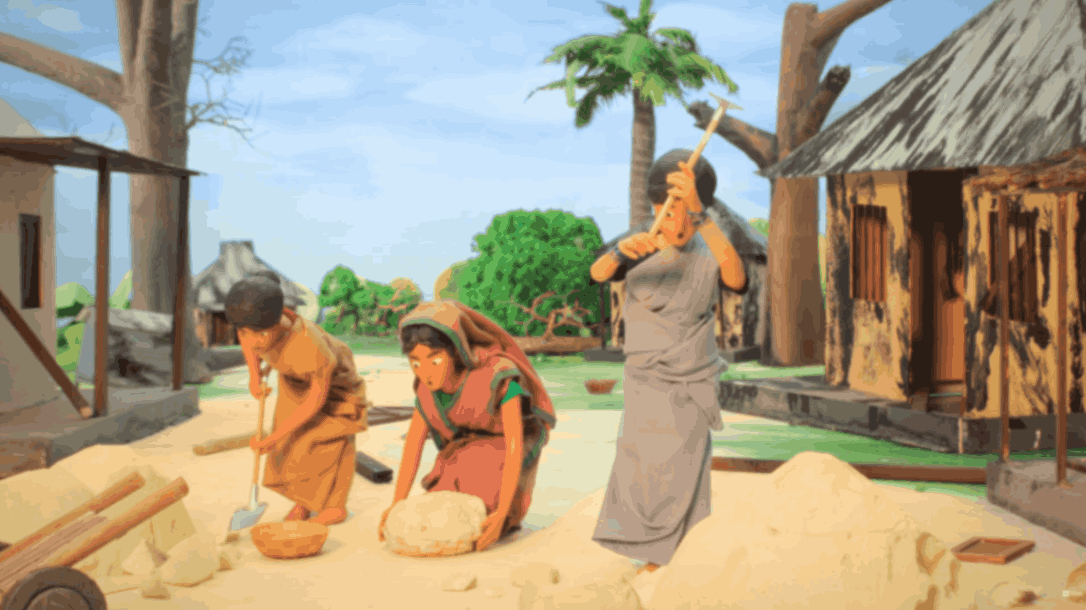
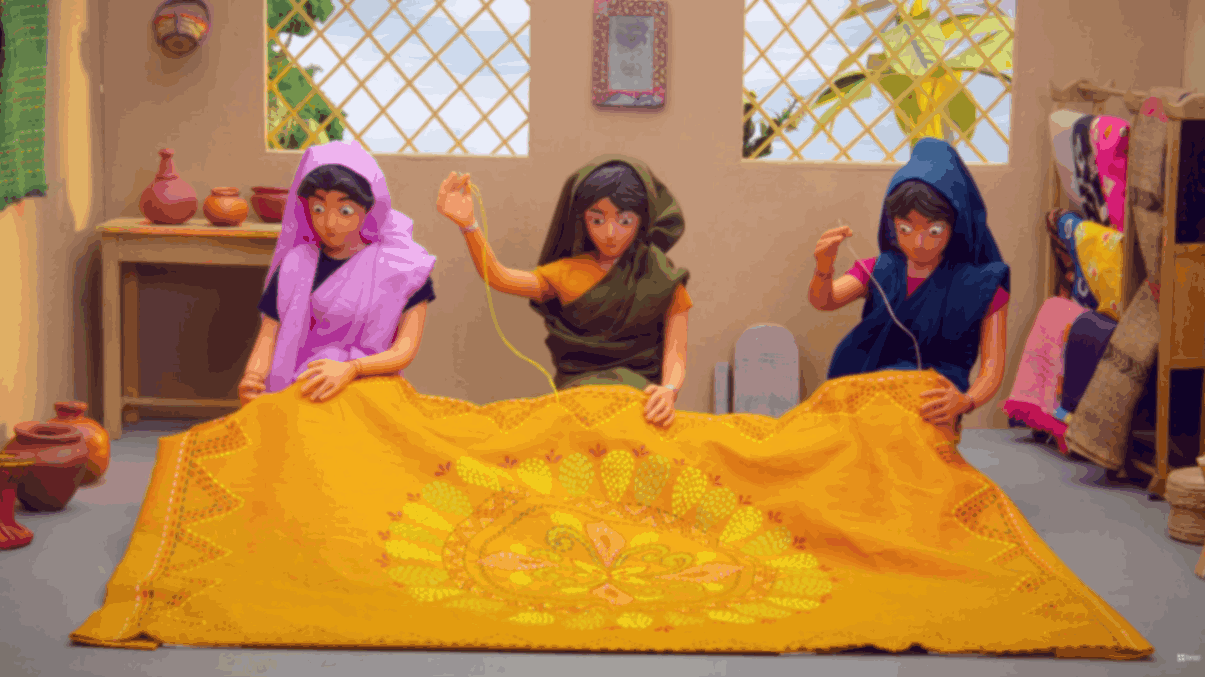
Physical puppets. Miniature sets from wood and fabric. Real saris. Every frame photographed after someone moved a puppet's hand half a millimetre. Stop-motion requires the kind of patience most people don't have.
The colour palette pulls from South Asian textiles - saffron yellow, terracotta, and indigo blue. The camera zooms in on tiny hands weaving, embroidering, painting pottery. Someone animated each movement frame by frame without losing their mind.
The humanitarian stats behind this video (and BRACs work in general) made it worthwhile: 87,000 artisans. 85% women. Over 320,000 livelihoods impacted.
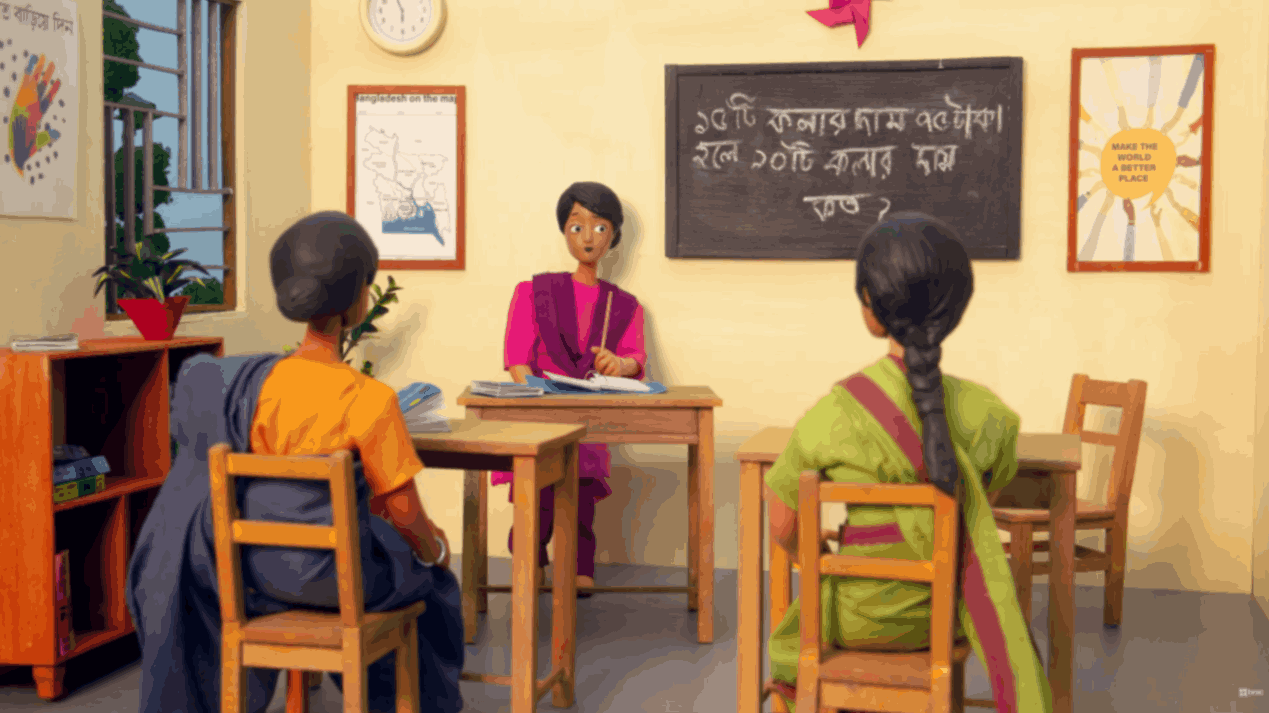
40% of children were not in school in early 1980s Bangladesh.
Only 16% of girls completed primary school.
BRAC's small community classrooms with flexible schedules changed that. Over 90% attendance. 64,000 schools by 2009. More than 15 million graduates.
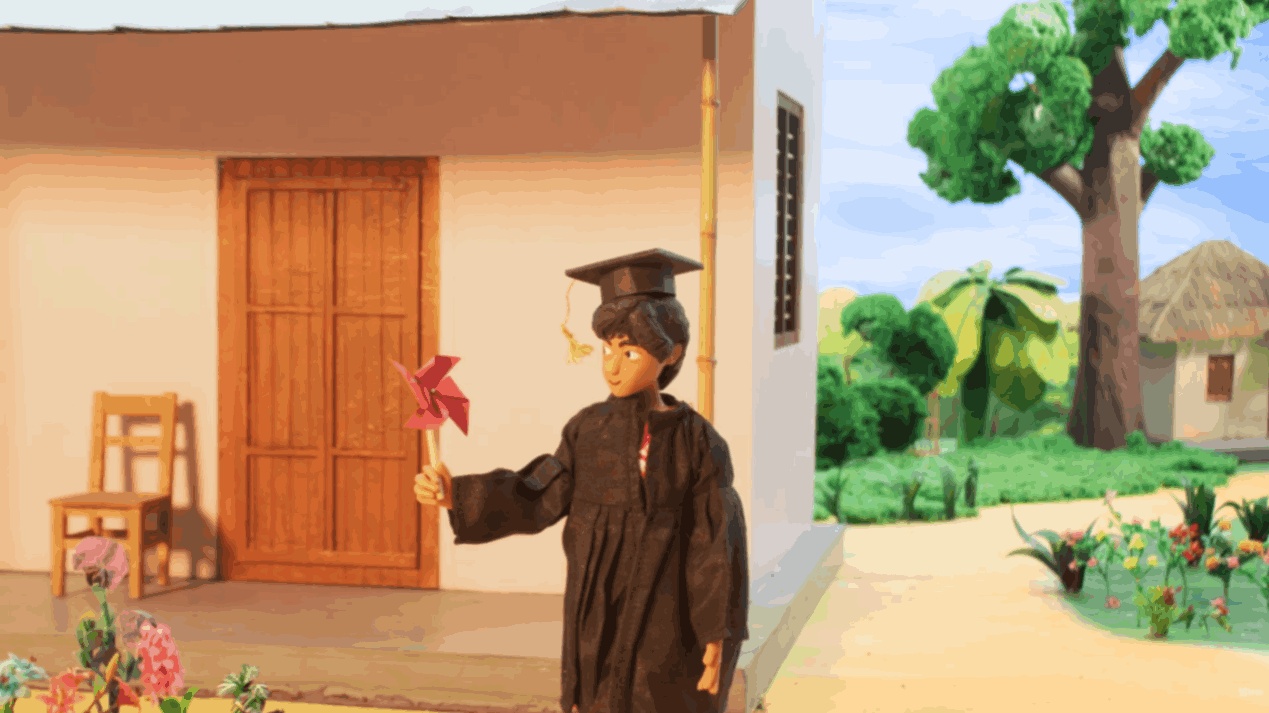
Stop-motion requires commitment that most organisations won't make. Slow production, high costs, painstaking frame-by-frame work. But for stories about artisan labour and handcrafted education, BRAC chose the method that matched the message.
Best Educational Animation
TED-Ed's "3 surprising ways microplastics can enter your body"
Plastic is everywhere, which you knew. What you maybe did not want confirmed is that it is also inside you right now. This TED-Ed explainer, directed by Vicente Nirõ at AIM Creative Studios, delivers that news with impressive visual flair.
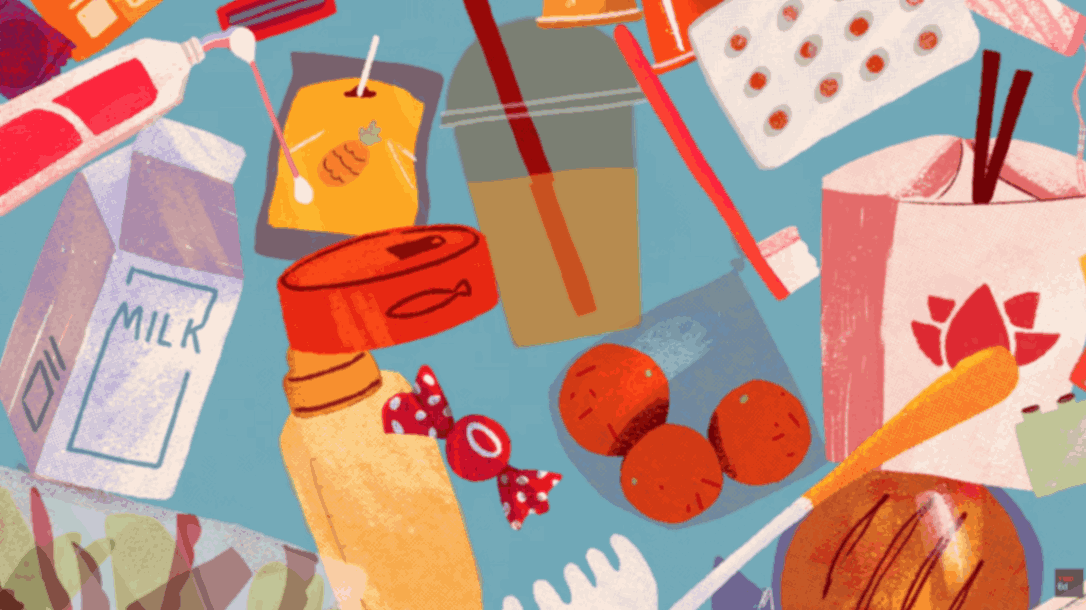
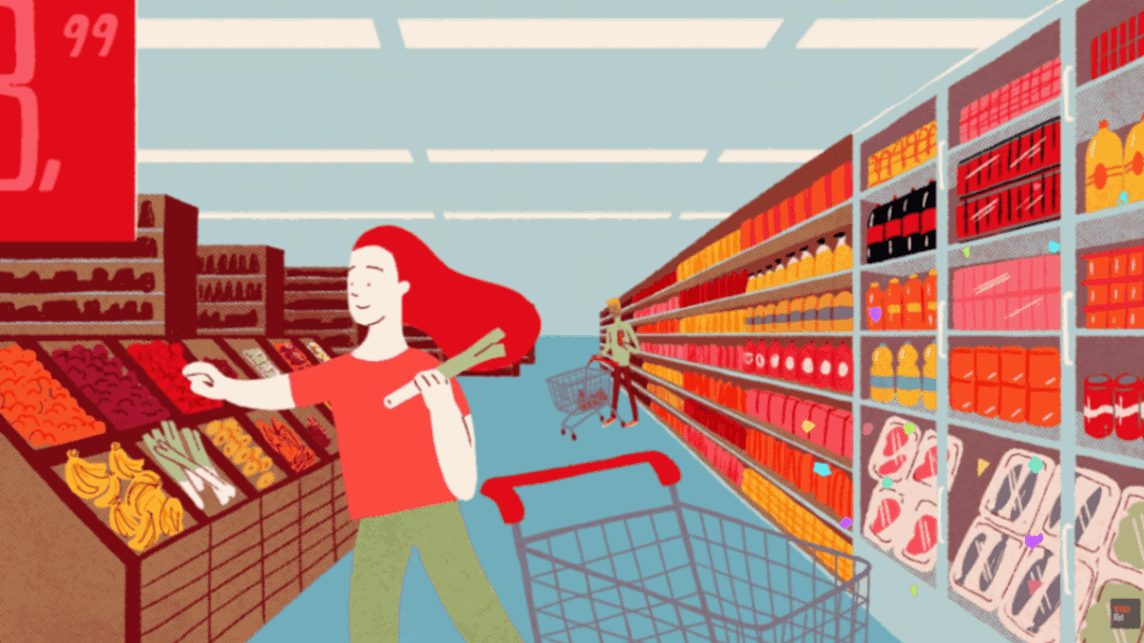
Stylised 2D with grainy halftone textures over flat colours. Bold reds dominate the supermarket scenes and internal-body diagrams, which is a choice when discussing organ contamination.
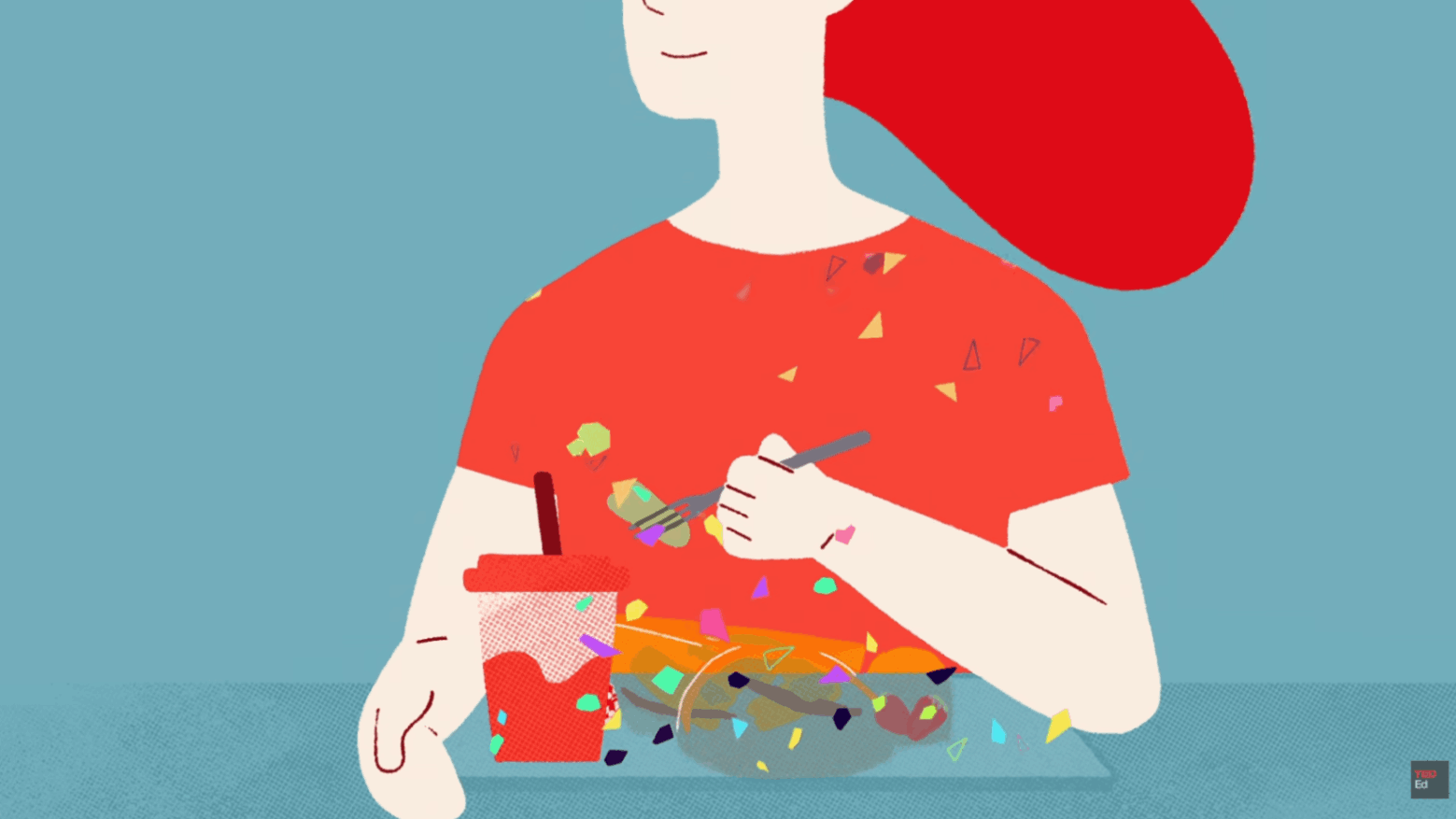
The script opens gently, "Plastic is everywhere", then stops being gentle. A single litre of bottled water: over 200,000 microplastic particles. Most people inhale tens of thousands daily. More than 16,000 chemicals in plastic production.
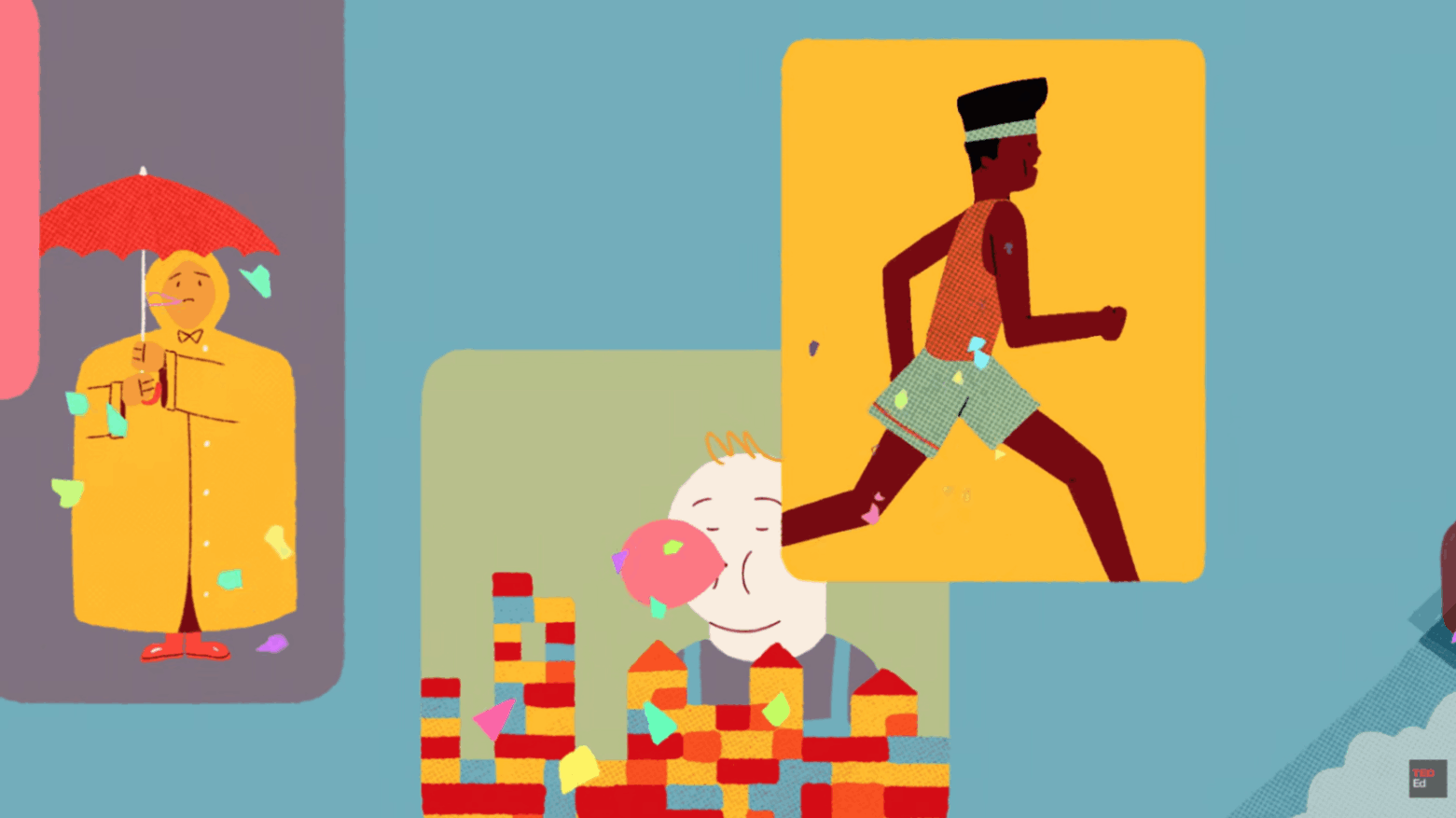
The animation shifts between grocery stores and simplified anatomical diagrams. Floating shapes represent invisible microplastics moving through organs.
One commenter: "It's scary to realise that tiny plastic particles are entering our bodies through things we use every day."
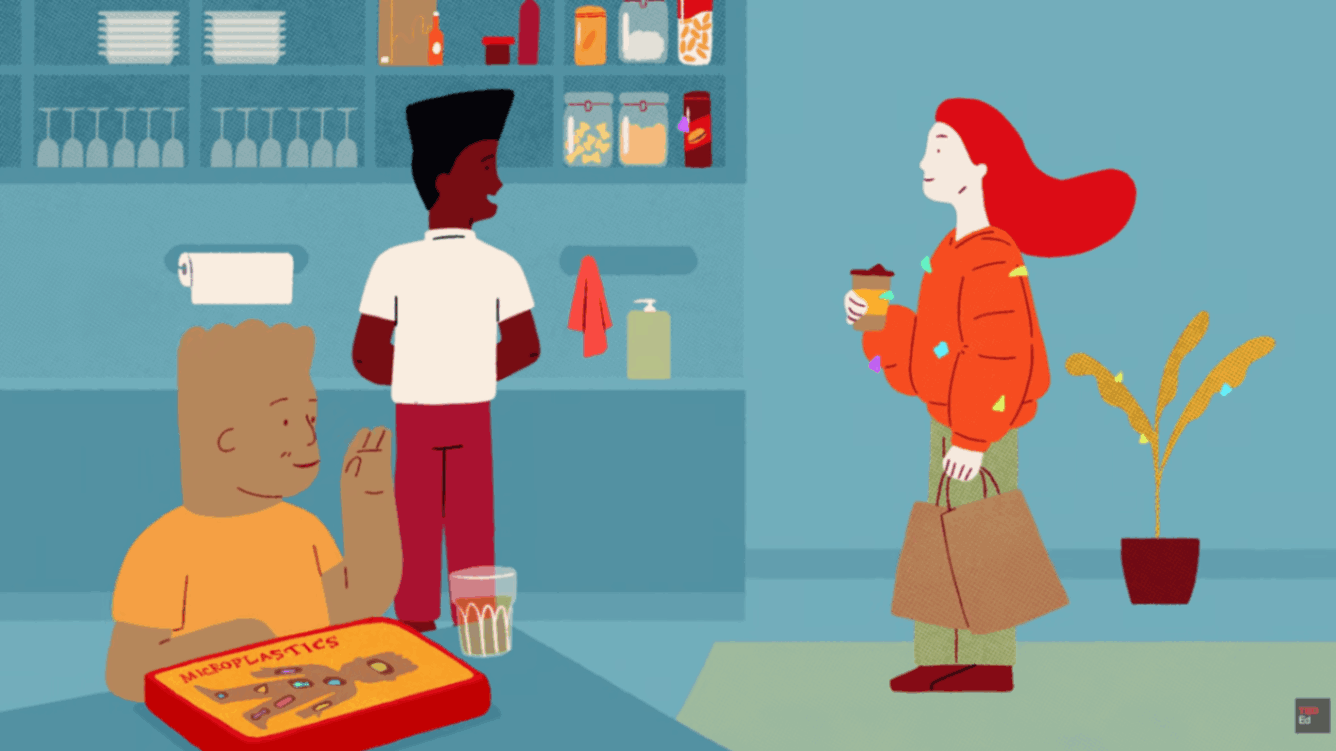
The video ends with a call to action: "Unplastic your life." Choose natural fibres. Replace plastic cutting boards. Use glass or stainless steel. Buy fresh, unpackaged food.
Educational animation that makes an invisible problem visible.
Best Healthcare Animation
British Heart Foundation's "How does the heart work?"
This one came from our studio, and honestly, we're delighted with it.
Leon! Animations made this flat vector medical explainer for the British Heart Foundation, supported by Royal Mail.
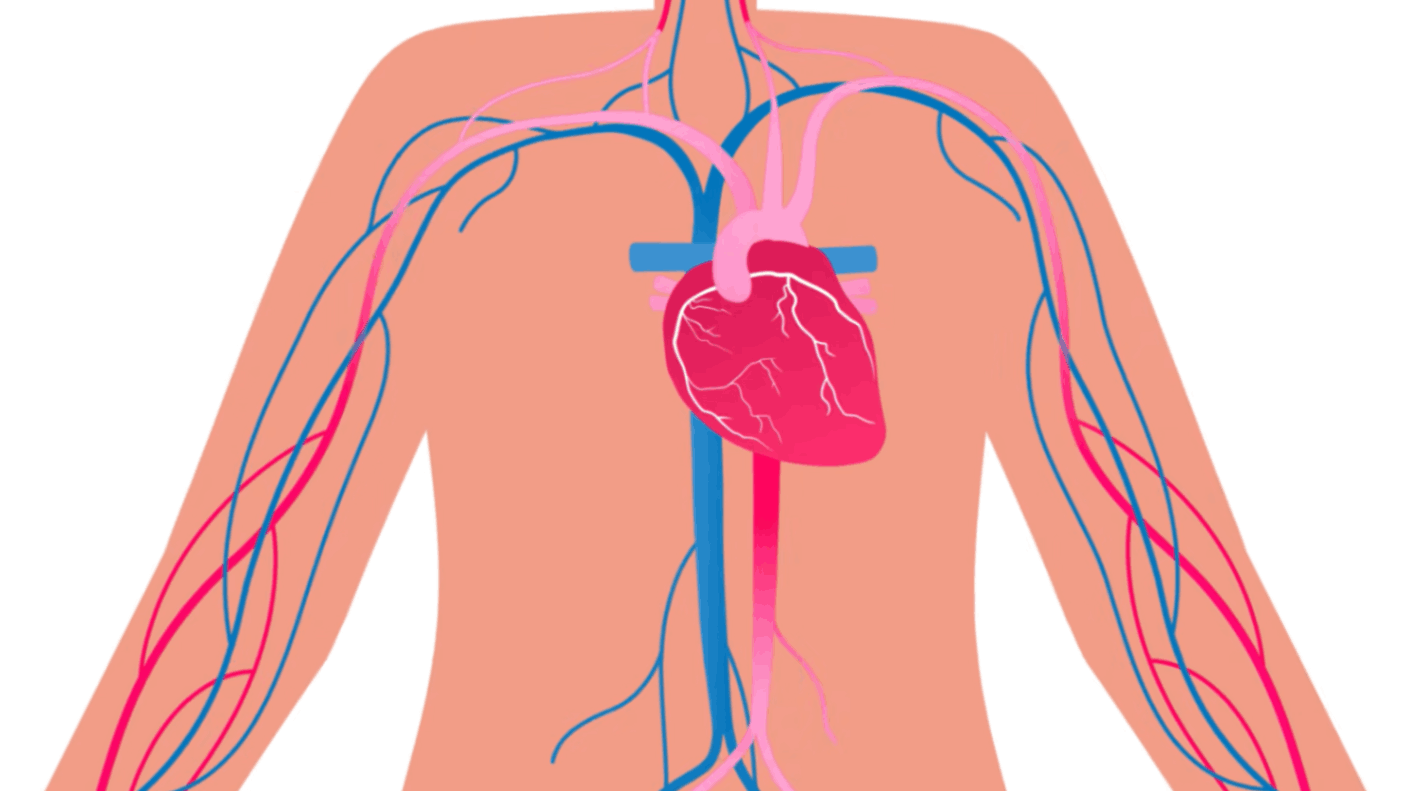
The heart beats 100,000 times daily. Two minutes to cover four chambers, valves, the electrical system, tissue layers, and the coronary arteries. Everything someone needs to understand how their heart actually works.
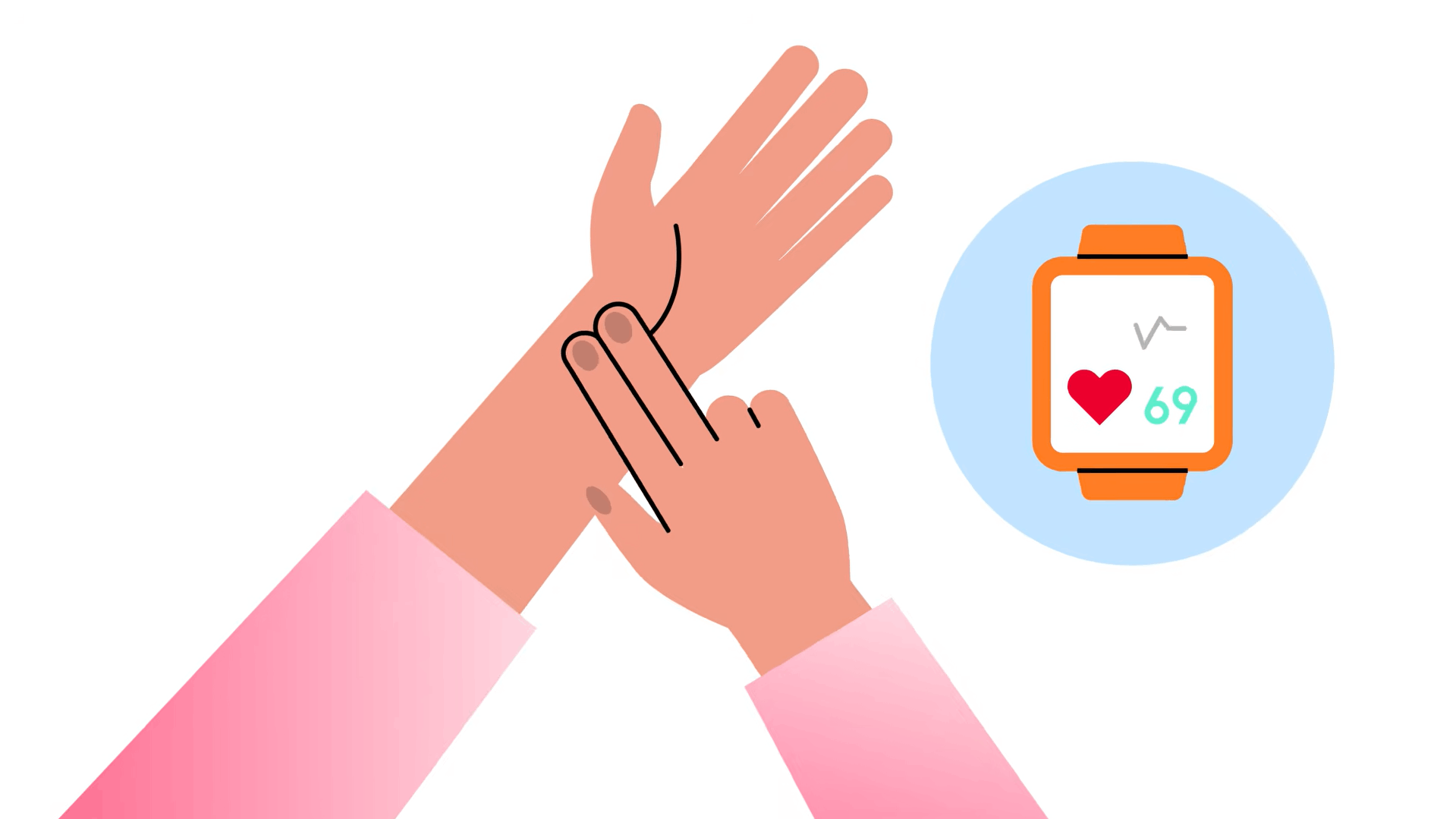
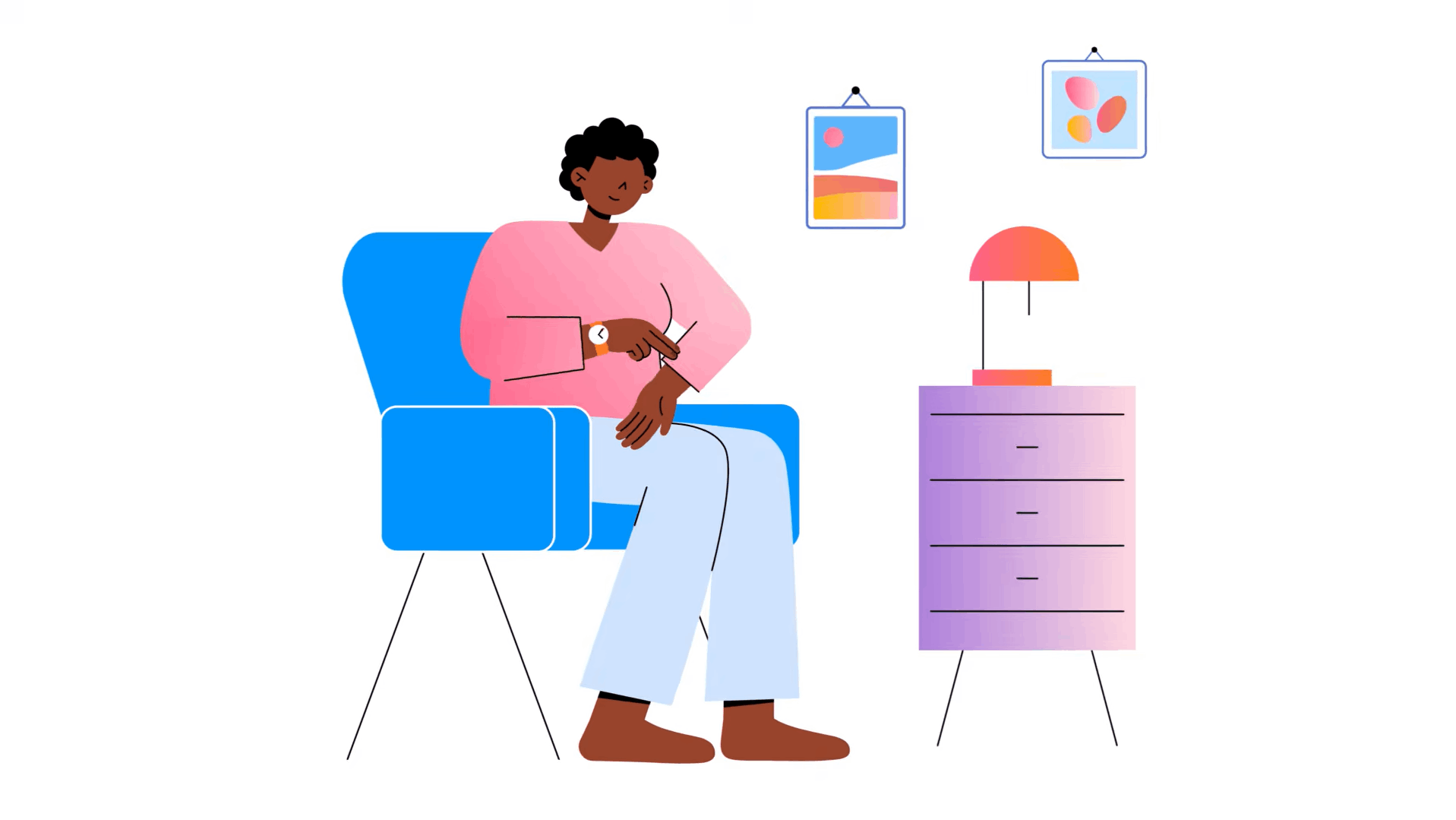
Flat vector style with clean shapes and solid colours. Red for oxygenated blood, blue for deoxygenated, the convention exists because it works. Anatomical diagrams combine with lifestyle scenes: exercising, checking heart rate, and maintaining cardiovascular health.
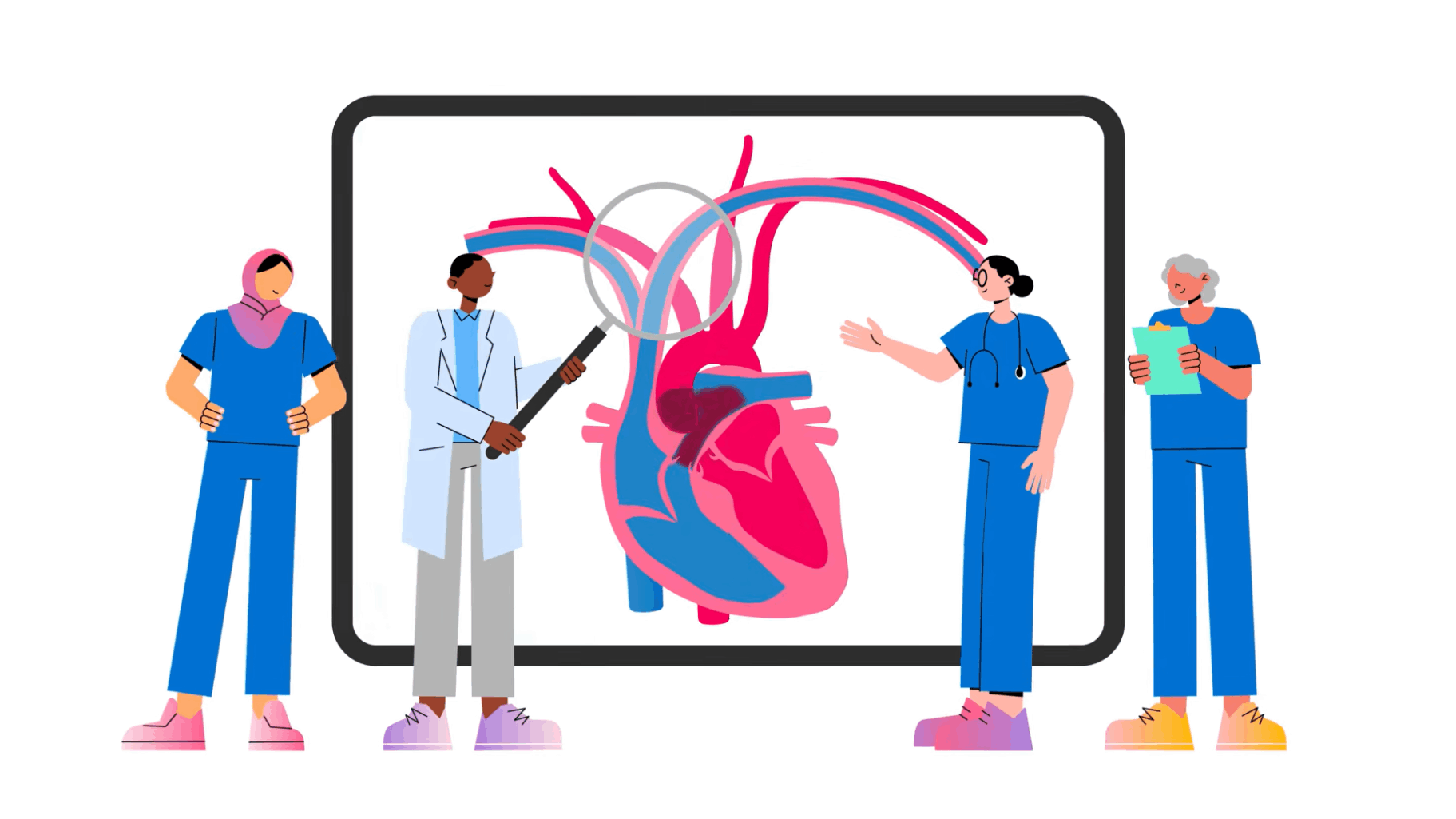
The narration, delivered by Elizabeth Ollier, stays reassuring. "Your heart is a powerful muscle about the size of your fist." Clear, calm biology without the anxiety.
Healthcare animation doing exactly what it should: making biology simple without dumbing it down.
What These Nonprofit Animations Teach Us
Stop-motion still works when the subject demands it. BRAC's videos took a long time to make, but handcrafted puppets communicate artisan labour better than digital ever could.
Educational animation earns trust through specificity. TED-Ed said 200,000+ particles per litre. Precision makes threats concrete.
Healthcare animation should prioritise clarity. The BHF video explains cardiac anatomy in a way that actually makes sense to people. That's the goal, and it delivers.
Missed our 2025 roundups? Catch up on January, February, March, April, May, June, August, September, October, November and December.
Or Start 2026: January and February
Or have a look at our Best Nonprofit Videos of All Time blog.
What's Leon! 2D Animation Studio Up To?

Our charity animation studio made the BHF heart video featured above. We’re currently animating an explainer video about epilepsy care in Africa and continuing the women's healthcare series for Oxleas NHS. Different projects, same challenge: clarity without oversimplification.
Our 2D animation studio makes complex health and social issues watchable. If your message needs that, we should talk.