What Animation Services Include for NGOs and Healthcare Teams
Someone messaged us on LinkedIn recently about pricing.
Once they saw our rates, they paused, then mentioned that a colleague had commissioned an animation from a cheaper studio. The price had felt like a win at the time. The video, when it arrived, looked exactly like what it cost.
It is a familiar pattern. A low price often reflects a shortcut: stock illustrations instead of bespoke artwork, a text-to-speech voiceover, no storyboarding, no proper sound mix. The video exists. It just does not do anything.
Here is what professional 2D animation services should include, what cheaper quotes leave out, and what to ask before you commit.
Why Animation Works Well for NGOs and Healthcare
NGOs and healthcare teams are often trying to explain something genuinely complicated to audiences with varying literacy levels and across multiple languages.
Animation handles this well.
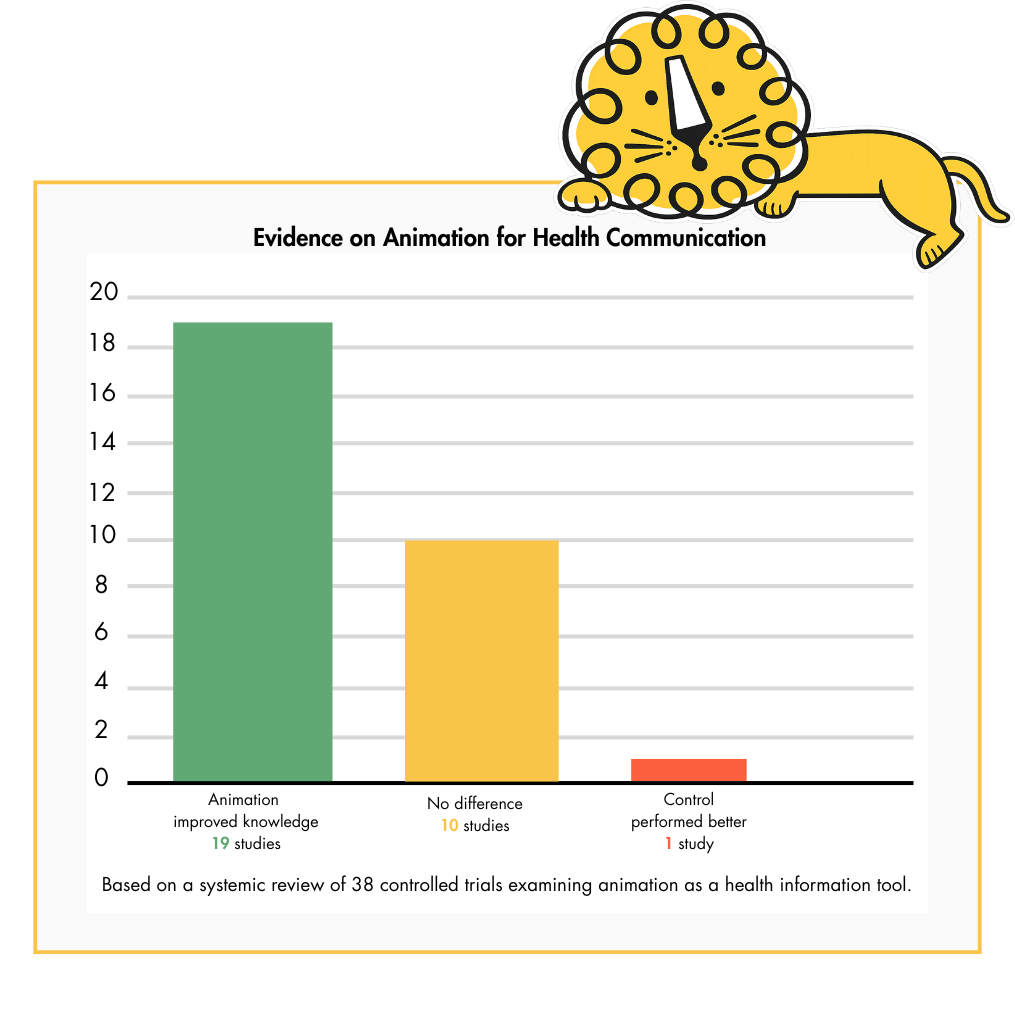
Research backs it up: a systematic review of controlled trials suggests animation often improves how people understand health information.
We have seen this in our own work.
When Guy's and St Thomas' NHS Trust needed to explain their MyChart app to patients, our healthcare animation campaign helped register over 300,000 users in six months.
When the UN Migration agency needed to hit their iDiaspora 2,000 sign-up target, our animated campaign helped them surpass it.
Complex subject matter.
Clear communication.
Results a leaflet could not replicate.
However, it only works when the underlying message is clear. Animation amplifies what’s in the script. A confusing message just becomes more expensively confusing with animation.
What Most Professional Animation Studios Do
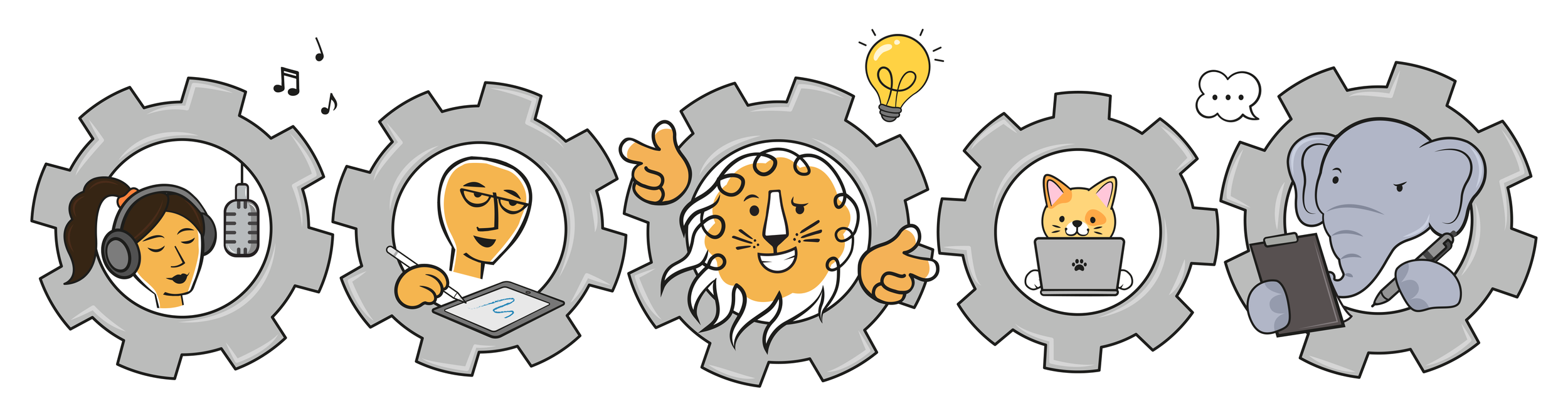
A professional animation service is the process that makes the video work, not just the video itself.
Most reputable studios will take you through some version of these stages:

Script development. A good studio takes a rough brief or dense policy document and helps turn it into something a real person will watch and understand.
The script is 90% of the product. A studio that jumps straight to visuals without spending serious time on the words is telling you something about their priorities.
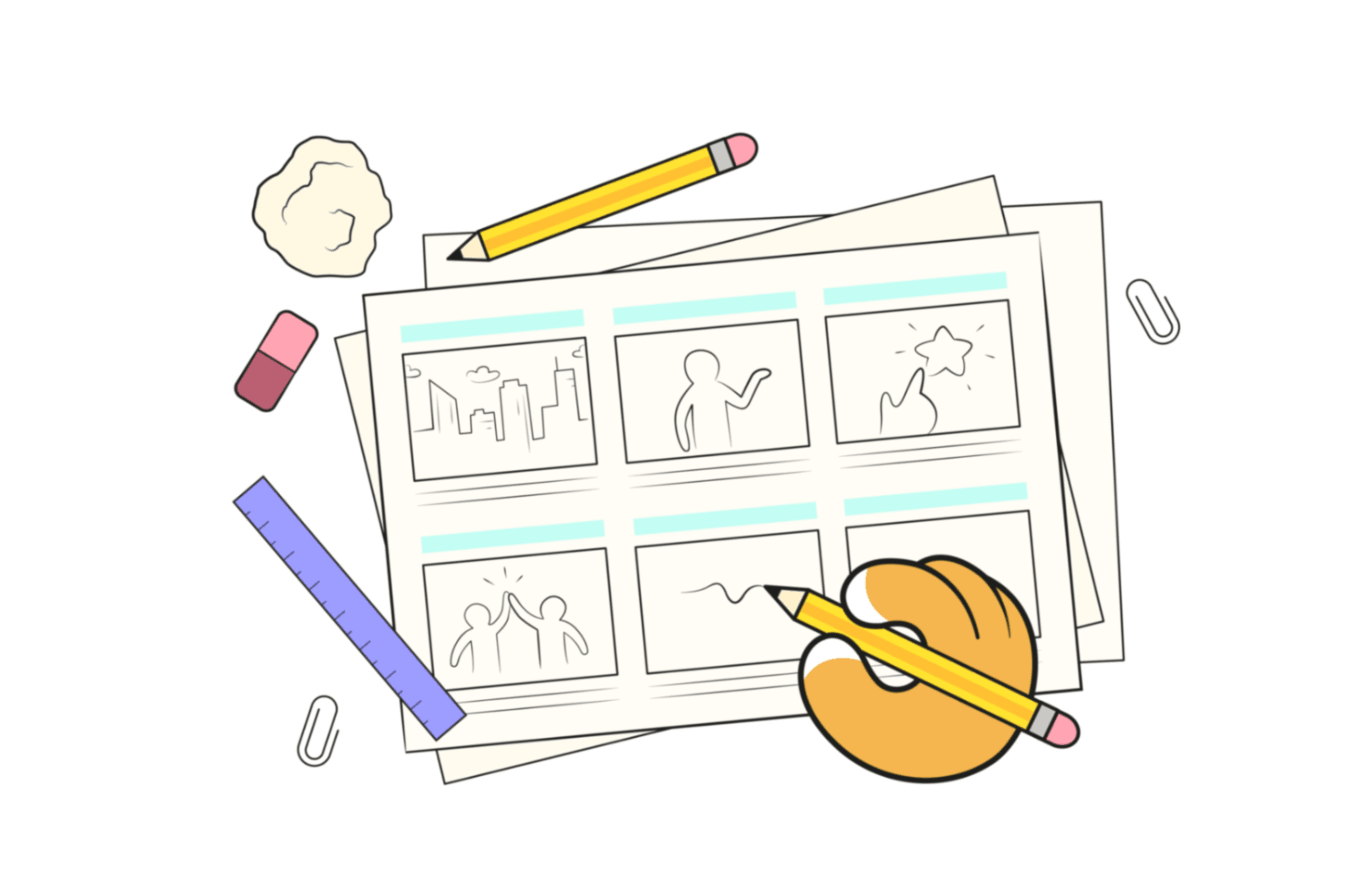
Rough sketching and storyboarding. Most studios will produce rough sketches or placeholder images to map out each scene before moving to polished illustration.
The goal at this stage is to agree the general visual direction before any detailed artwork begins. Changes are cheap here. Once polished illustration starts, they’re not.
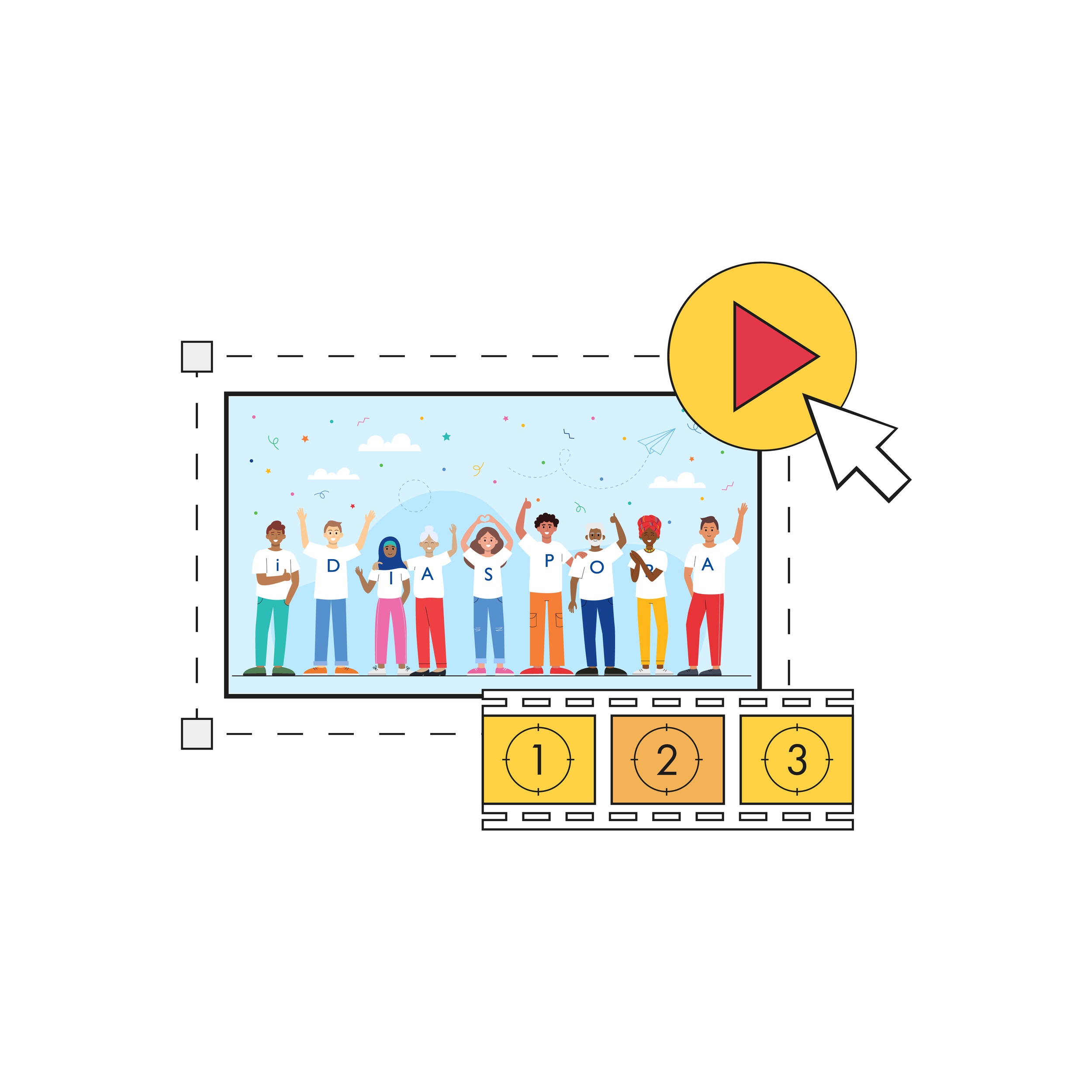
Bespoke illustration. Your animation should look like it belongs to your organisation, not like it was assembled from a stock library. If a quote does not specifically say bespoke illustration, you should ask why not.
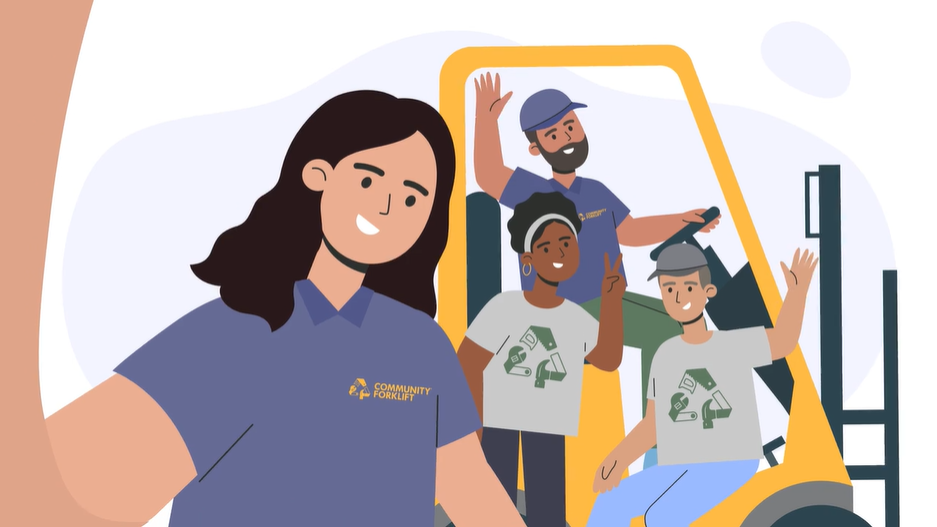
The answer will tell you a lot about what you’re actually buying.
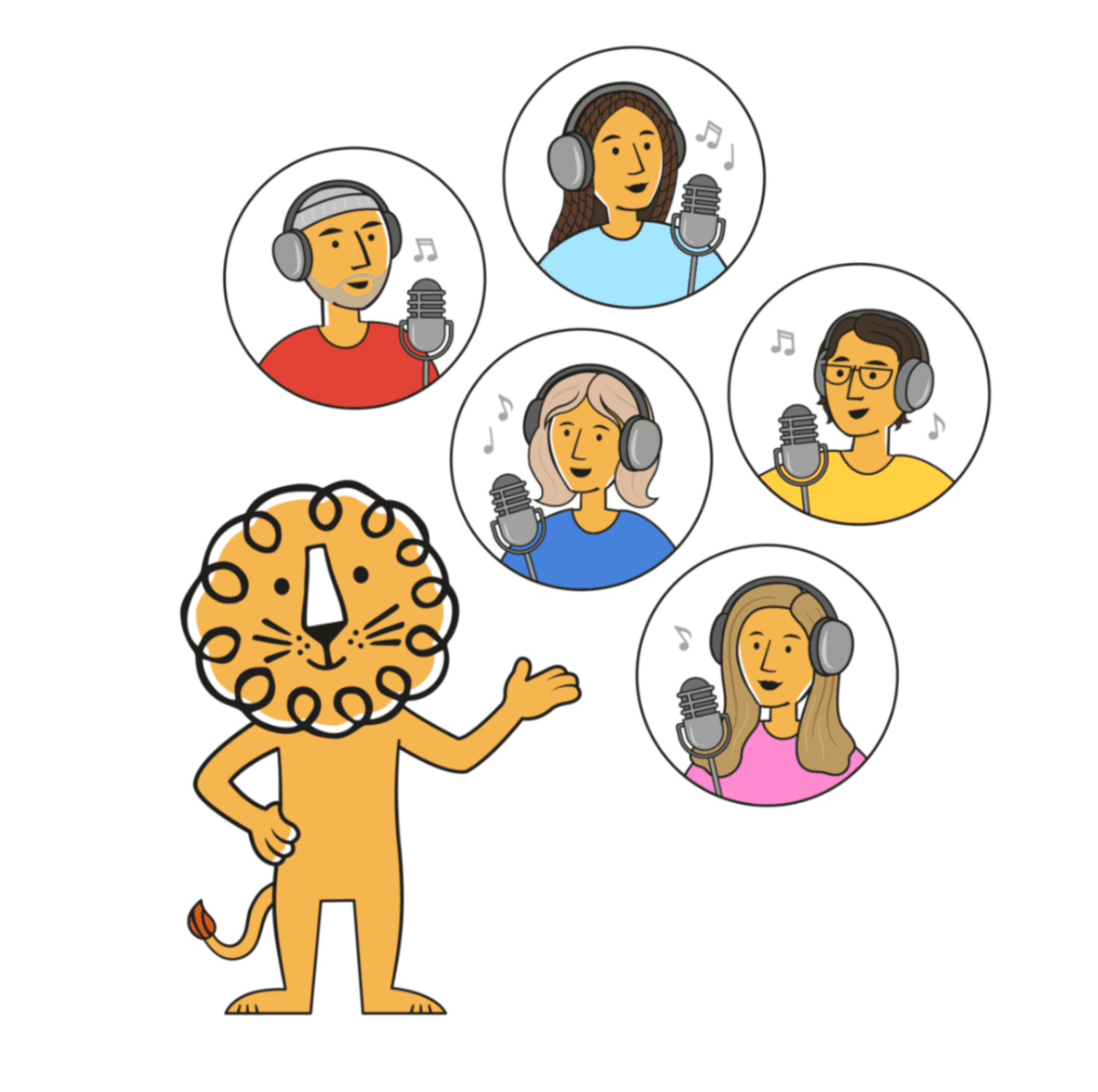
Professional voiceover. The artist should record a sample of your actual script, not a generic showreel. Hearing a voiceover artist read someone else's words tells you relatively little.
Hearing them read yours is usually an immediate gut reaction: yes or no. A good studio will send you several options recorded against your script before you commit to anyone.
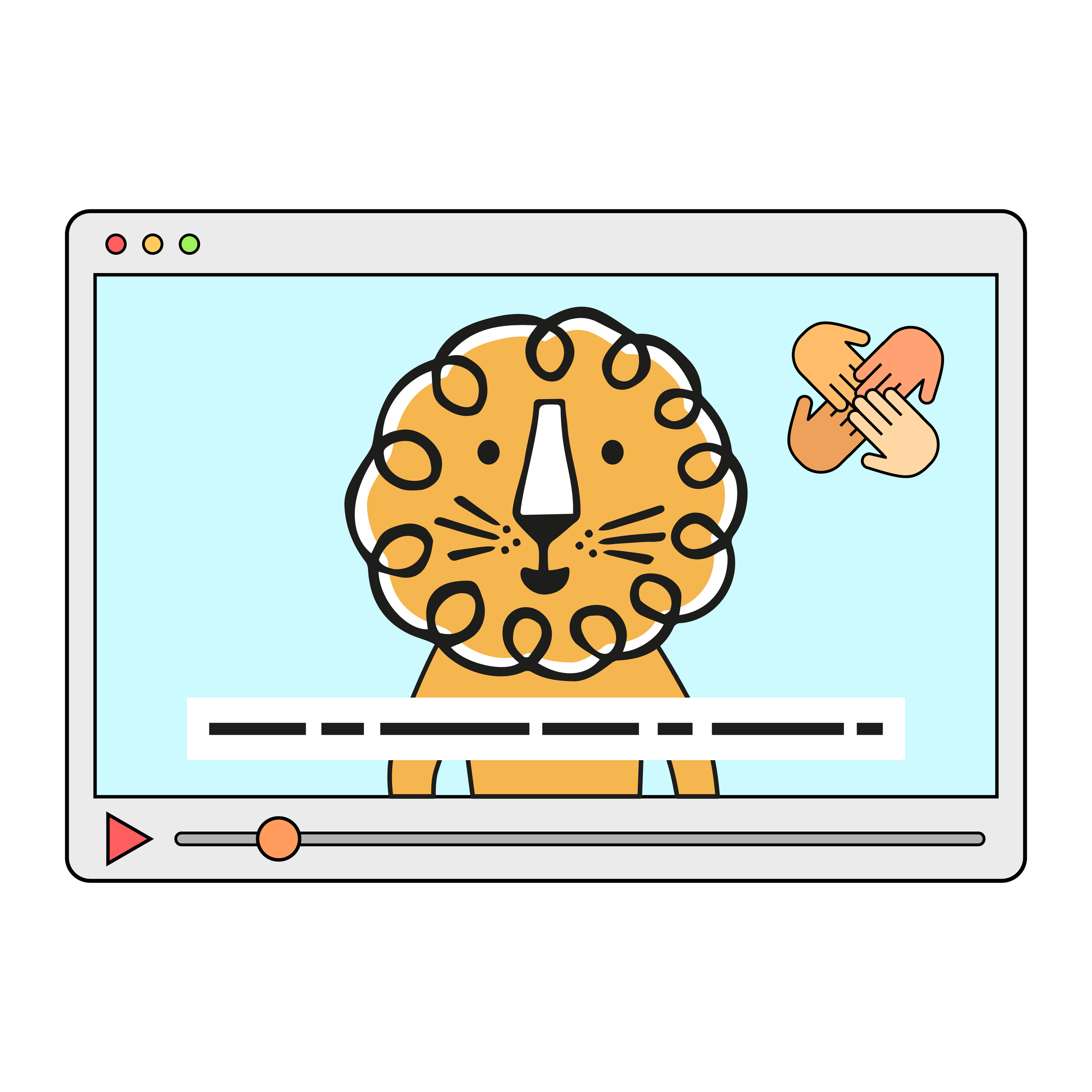
Animation. Most clients do not see this stage until it is finished, which means they rarely appreciate how much is happening inside it.
Character animation is a specialist skill.
Moving a human figure convincingly, getting the weight, the gesture, the expression right, requires technical and artistic judgement that not every animator has. For NPOs telling human-centred stories, this matters a lot.
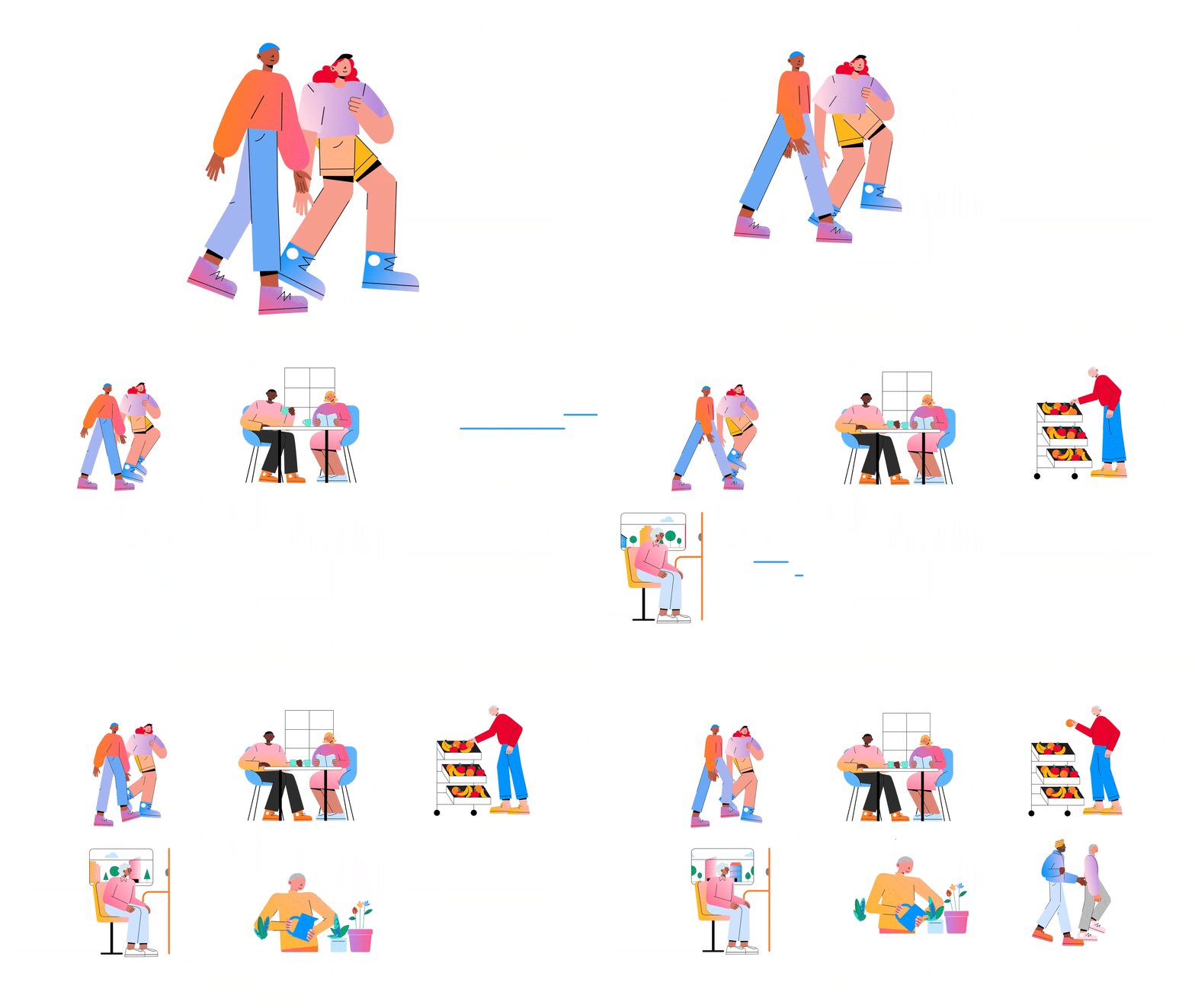
Transitions matter too. Moving smoothly between scenes cannot be fully planned in a storyboard. It is largely intuitive. Done well, the viewer follows the message without noticing the joins. Done poorly, they feel a bump without knowing why.
We are quietly proud of doing both rather well 😉
It is also worth knowing whether the studio’s illustration and animation styles work well together.
Artwork drawn without movement in mind can be surprisingly difficult to animate.
Sound design and professional mixing. Bad mixing, a voiceover swamped by music, sound effects that feel out of place, all of these will undermine an otherwise strong video.
Professional sound mixing should be included as standard, not listed as an optional extra.
Project management. Someone accountable for keeping the project on track at each stage. For NGOs and healthcare organisations navigating internal approvals and procurement requirements, this matters more than most clients expect.
If any of these appear as optional extras in a quote, that is worth flagging. They’re not premium features. They are essential.
What Separates Studios That Specialise in Complex Briefs
The stages above describe what a solid generalist studio should do.
But NGO and healthcare briefs tend to be more complex: multiple stakeholders, sensitive subject matter, lengthy approval chains, messages that have to work across audiences with very different starting points.
Studios that work regularly in this space tend to do a few things differently.
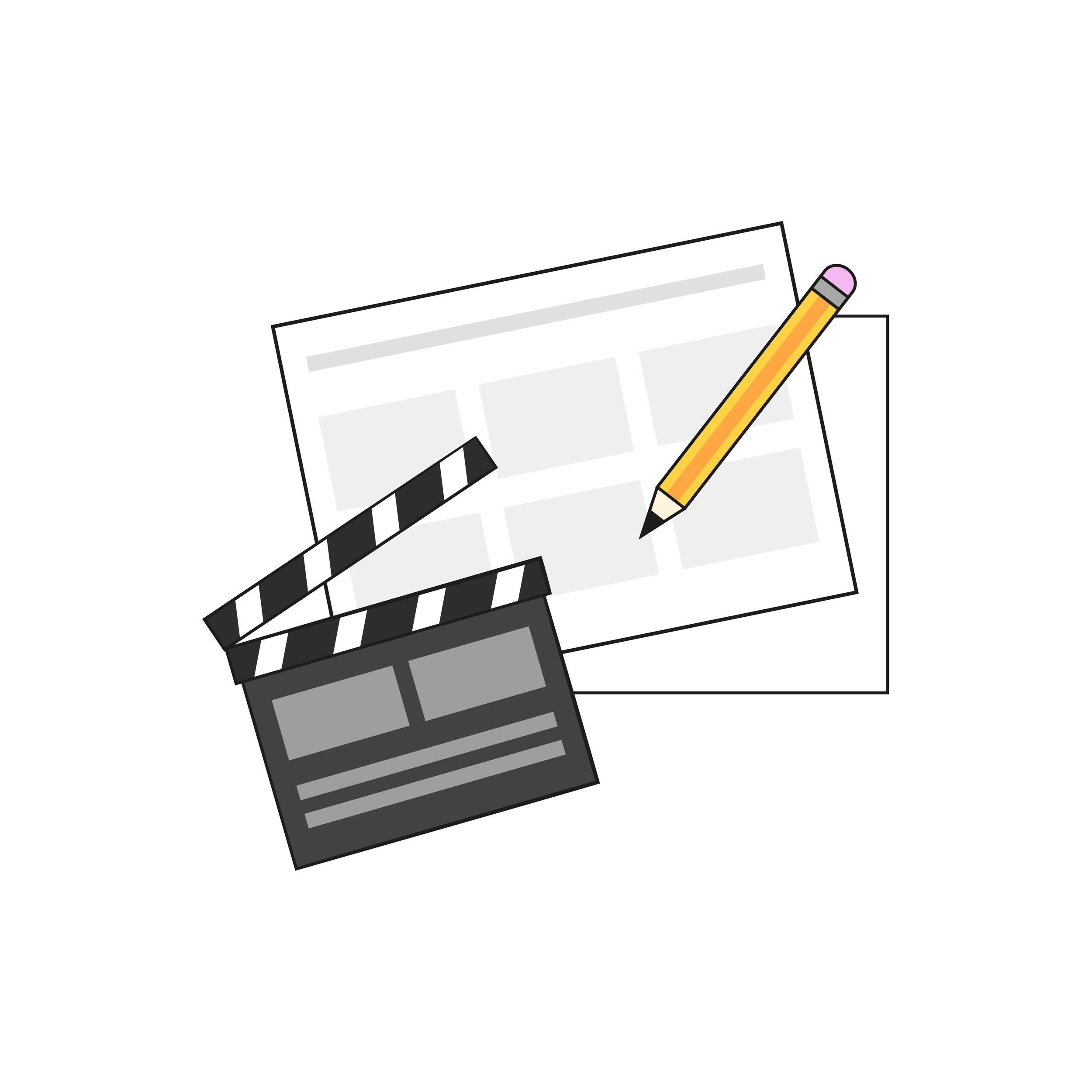
Visual direction testing before illustration begins. Rather than moving straight from script to storyboard sketches, our studio develops the visual language first, using reference images and mood boards to establish tone, palette, and style before any original artwork is created.
It prevents a significant amount of rework later, particularly on briefs where the client has strong views about how the content should feel but finds it difficult to articulate those views in the abstract.
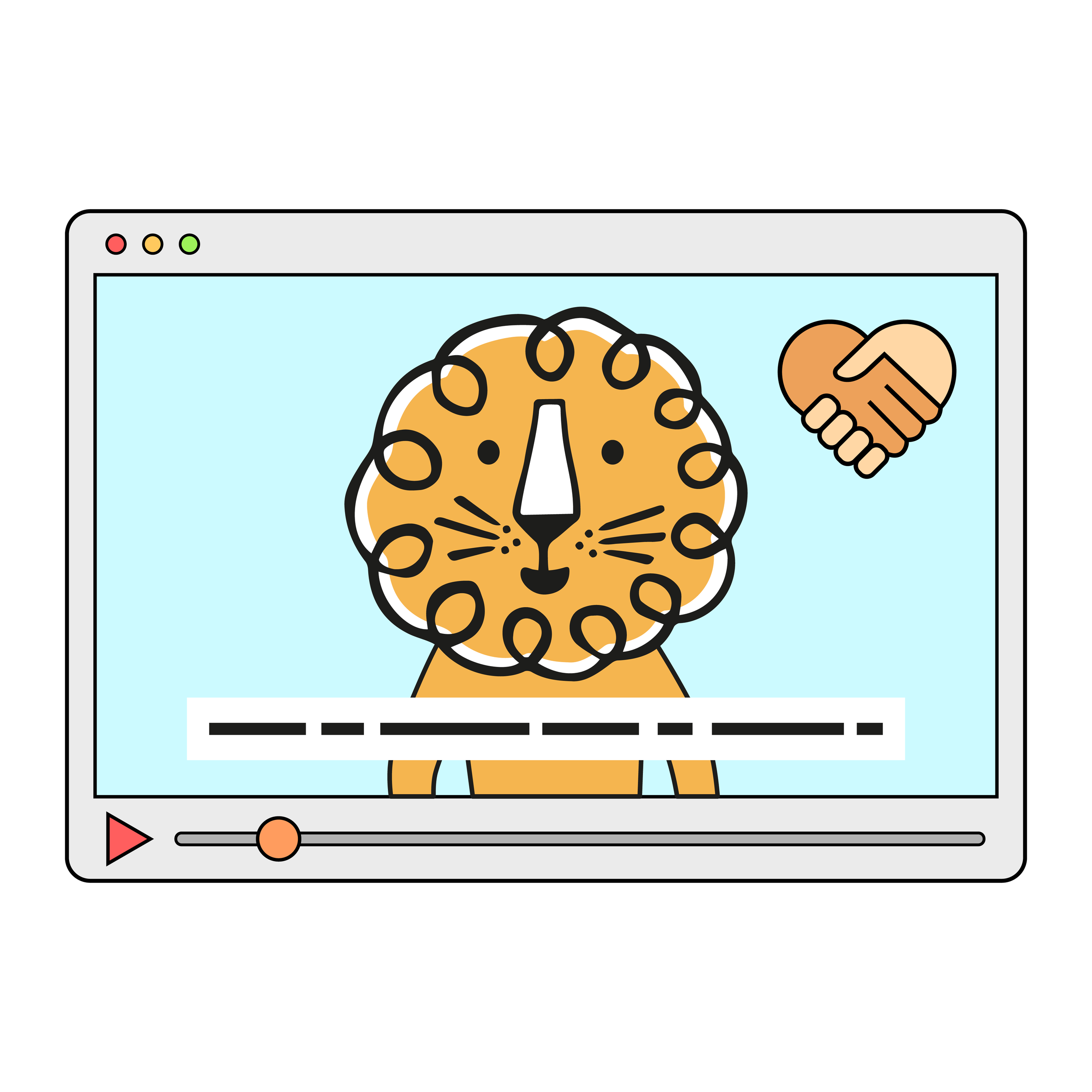
Timing tests before committing to illustration. A scene can look right on paper and feel completely wrong in motion. Our studio tests the pacing by running a rough slideshow of placeholder images in sync with the voiceover before illustration begins.
Testing rough before refining is cheaper and produces better results than discovering a pacing problem after polished frames have been drawn. We describe our animation process in more detail here.
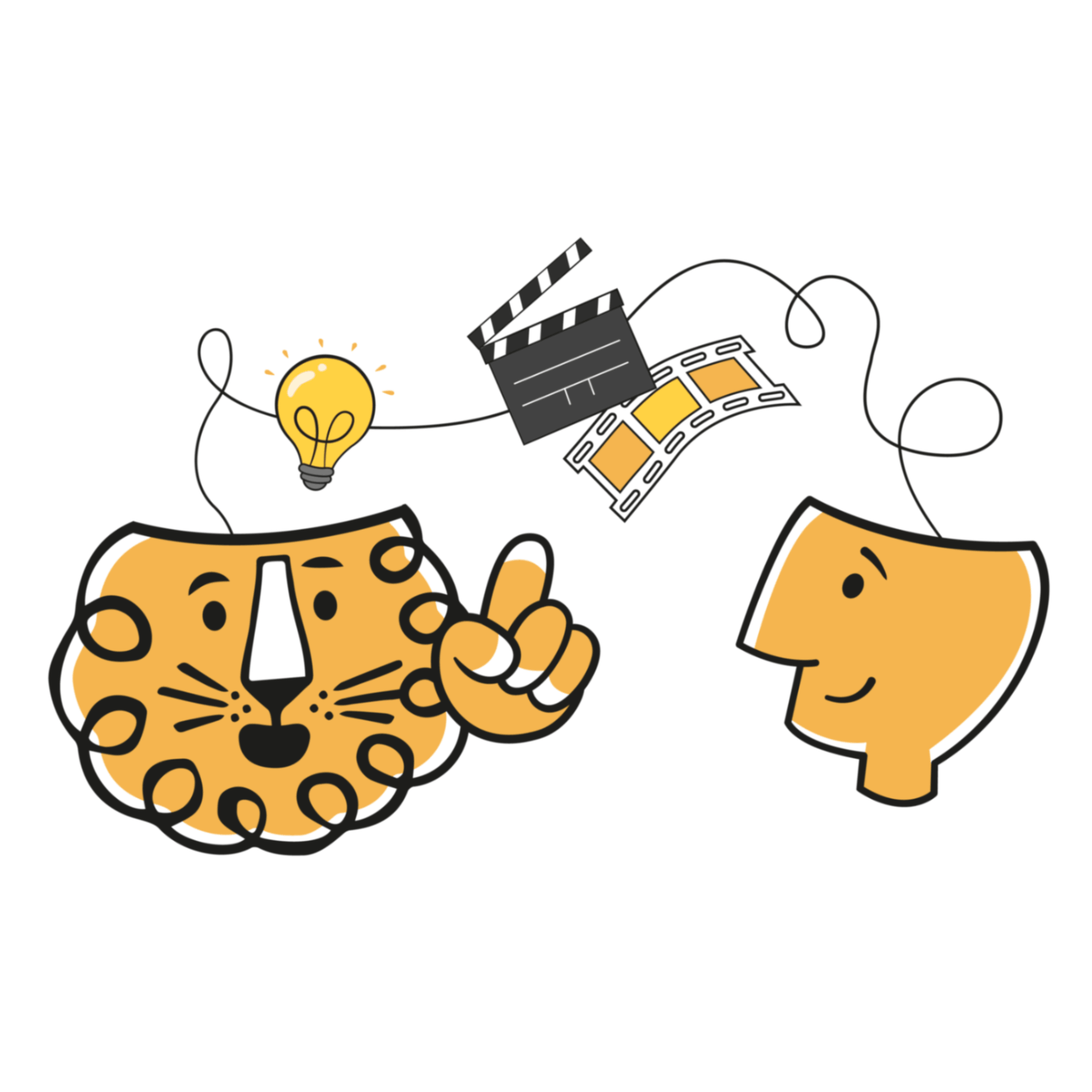
Sector-specific experience. A studio that has worked extensively with NHS trusts or international NGOs understands the environment: multiple stakeholders, lengthy approval chains, sensitivity around language and imagery, procurement onboarding.
We have seen technically strong animation studios withdraw from NHS projects mid-pitch because they were not prepared for the internal forms.
The forms are not the obstacle. The forms are part of the job.
The One Thing Animation Services Cannot Fix
Animation is a communication tool, not a communication strategy.
If the core message is not agreed internally before the brief goes out, if different stakeholders want different things, or if the organisation is hoping animation will resolve a strategic question that has not been answered, the result will reflect that.
The production takes longer.
The script goes through more rounds than necessary.
The finished video feels like a compromise, because it is.
The most effective animations we have made share one characteristic: by the time the brief reached us, someone had already done the hard work of deciding what the video needed to say.
The animation was the execution of a clear decision. Not the place where the decision got made.
Questions Worth Asking Before You Sign Anything
If you are comparing quotes from different animation studios, these tend to reveal the most:
Does the quote include script development, or just execution?
Is illustration bespoke or template-based?
Do you test timing before illustration begins?
How many revision rounds are included at each stage?
Can I hear voiceover samples recorded against my actual script?
What experience do you have with NPOs and their approval processes?
The answers will tell you whether a studio is set up for the kind of work you need, or whether they are set up for something else.
If you are working out what professional animation services are likely to cost, our pricing guide for nonprofits covers the full range in plain terms.
For a closer look at how a project runs from brief to finished video, Inside a 2D Animation Studio walks through each stage of our production process.
And if you already have a brief in mind, get in touch. We will tell you honestly whether we are the right fit, or not.
Sources
1. Hansen et al. (2024). The Effectiveness of Video Animations as a Tool to Improve Health Information Recall for Patients: Systematic Review. PMC National Library of Medicine. https://pmc.ncbi.nlm.nih.gov/articles/PMC9910310/
2. Video Igniter (2025). 9 Things To Look For When Choosing An Animation Studio. https://videoigniter.com/9-things-to-look-for-when-choosing-an-animation-studio/