Most clients come to us with a complicated message and a reasonable question: how do you actually turn this into 60 seconds of video that people will watch and understand?
The honest answer is: carefully, and in a specific order. There is a process behind every animation we make, and it matters more than the software or the illustration style or anything else. Get the process wrong and the video will show it.
Here is exactly how our animation studio services work, from the moment a project starts to the moment the finished video lands in your inbox.
Step 1: Why Every 2D Animation Project Starts with the Script
Everything starts with words. Before a single image gets sketched or a mood board gets assembled, the script has to be signed off. This is non-negotiable, and it is the part of the process clients sometimes underestimate.
Once the script is agreed upon, production begins. Timelines vary depending on video length, client feedback, and studio capacity, but the principle holds: we do not move to visuals and moodboarding until the script is signed off. There is no going back without derailing everything downstream.
Why so strict? Because a great animation cannot rescue a weak script. The visuals follow the message. If the message is unclear, the motion graphics will just make the confusion move faster.
Most of our clients work in genuinely complex territory: mental health policy, migration, medical procedures, climate science. That complexity is exactly why the script needs to be ruthlessly simple. We cut and trim until every sentence earns its place. If a word is not pulling its weight, it goes.
Clients in this sector will debate the placement of a comma for a very long time if you let them. That level of precision with language is a nonprofit trait, and a good one. We just make sure it happens before the animation begins, not during it.
Step 2: How a 2D Animation Studio Develops the Visual Direction
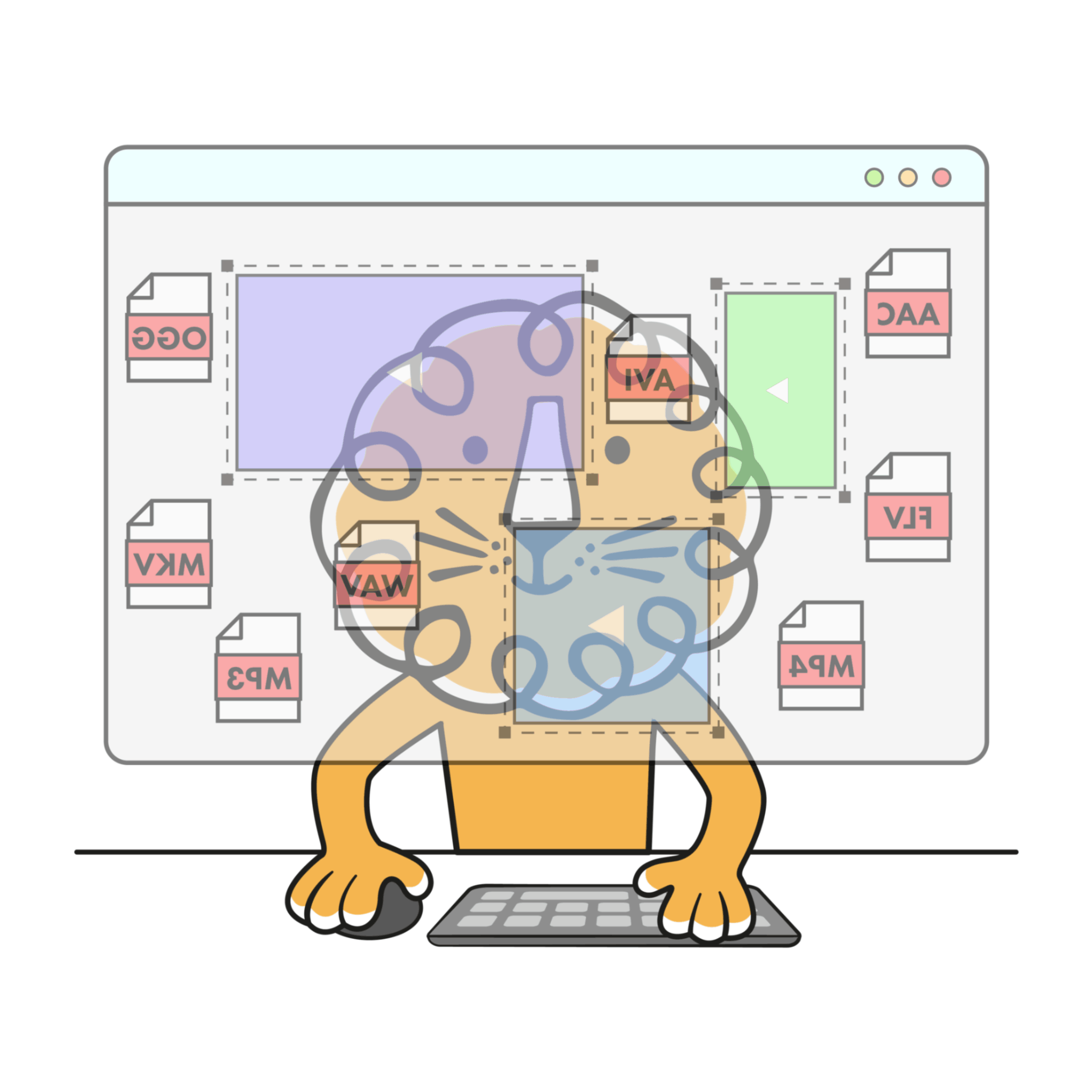
Once the script is signed off, the visual thinking begins.
We break the script down line by line onto a digital mood board using Milanote, a visual workspace tool that lets us pin images, notes, and ideas onto an infinite canvas. Around each line of the script, we place dozens of visual references: stock images, stills from past projects, photos, screenshots. Anything that might point in the right direction.
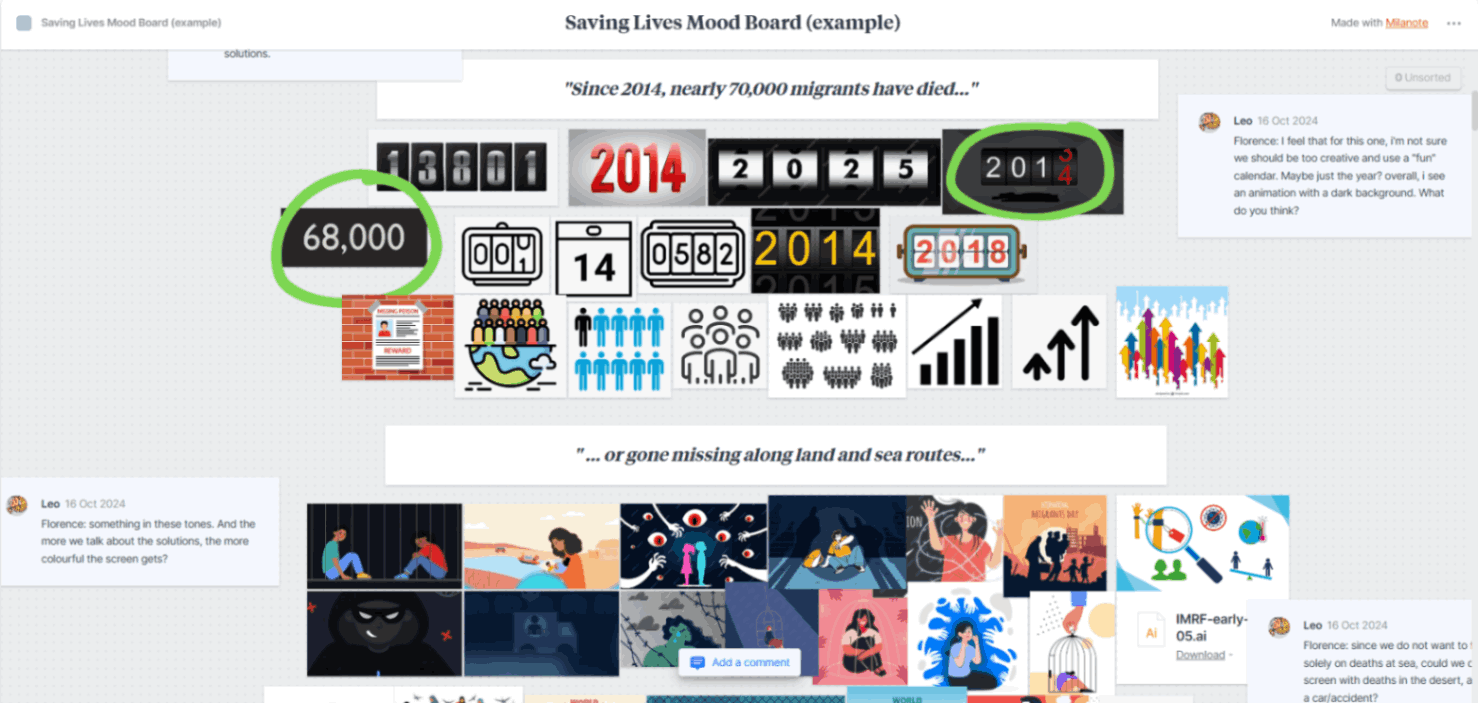
Then we get on a video call with the client to work through the mood board together. This collaborative step is important. It means we are not disappearing into a creative process for three weeks and emerging with something nobody asked for. The client can point at an image and say “more like this” or “definitely not that,” and we build the visual language together in real time.
For our work with the UN Network on Migration on their “Saving Migrants’ Lives” campaign, this stage was particularly important. The project addresses a genuine humanitarian crisis: nearly 70,000 migrants have died or gone missing along migration routes since 2014. The mood board process helped us find the right visual register: serious and clear, without being either sanitised or gratuitous.
Once the visual direction is agreed, our illustration team uses the selected images as a reference point for creating bespoke artwork that fits the client’s brand and tone.
See example Mood Board and Final Video.
Step 3: How We Test Timing Before Animation Production Begins
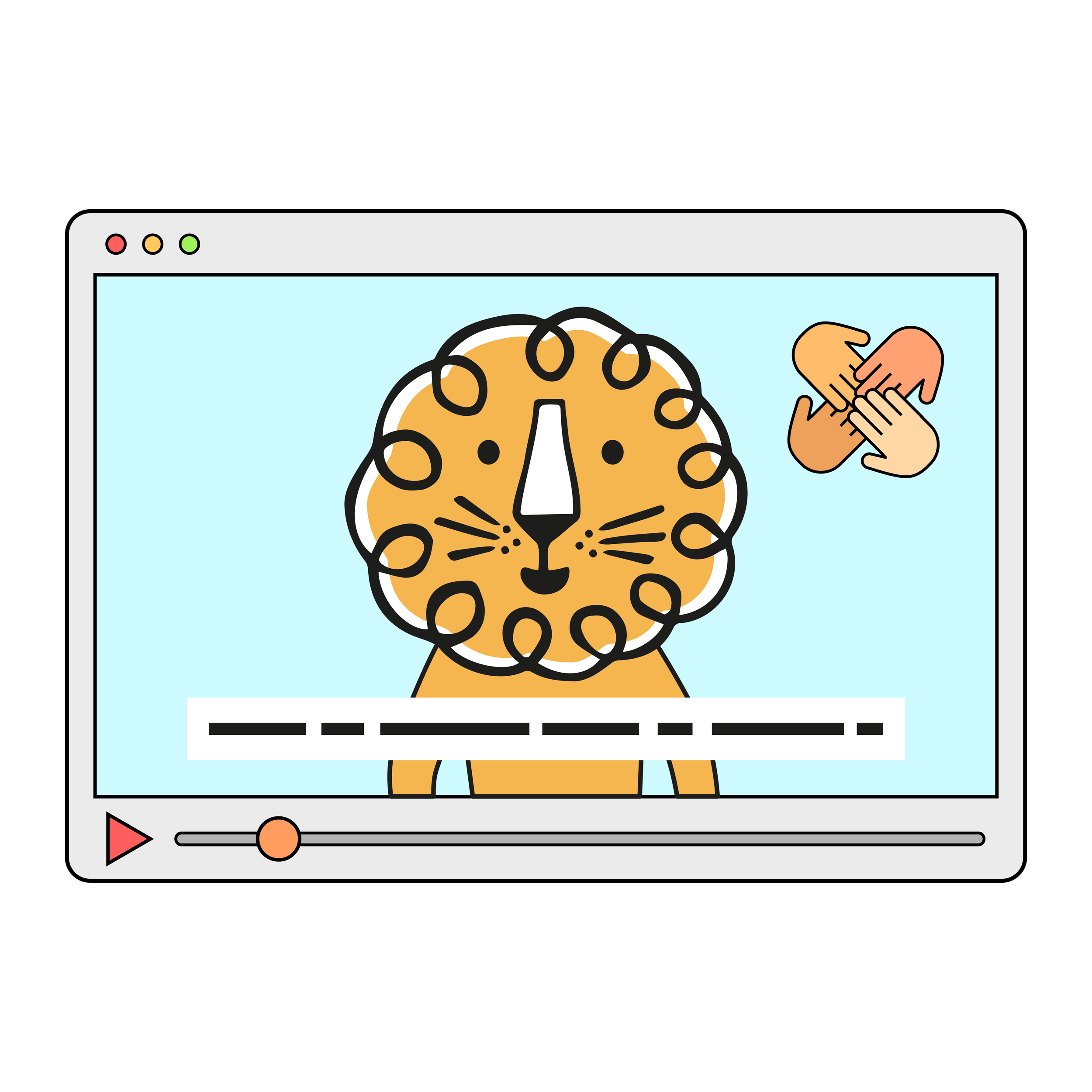
This is the step that surprises most people, and it is one of the more useful things our animation studio does.
Before our illustrators spend hours creating polished scenes, we need to know whether the timing actually works. An illustration might look exactly right on paper, but if the corresponding voiceover line takes only one second to say, does that image have enough time to register? Or does everything feel rushed?
So we create a rough test: each mood board image plays in sync with an AI-generated voiceover reading the script. It is scrappy by design, mixed stock images and a robot voice. But if this rough version works and the pacing feels right, we know the final animation will work too.
If something feels rushed or drags, we catch it now, before anyone has spent time illustrating scenes that will not work at the actual speed of human speech. It’s a cheap fix at this stage. Later, it is an expensive one.
Step 4: Bespoke Illustration and Visual Style for Nonprofit Animation
With timing confirmed, our illustration team takes the tested references and develops them into polished, brand-aligned artwork.
If the client has brand guidelines, we follow them. If they have a logo and a general sense of direction, we work from there. We do not impose a house style on everything we make. Each project should look and feel like it belongs to the organisation it was made for.
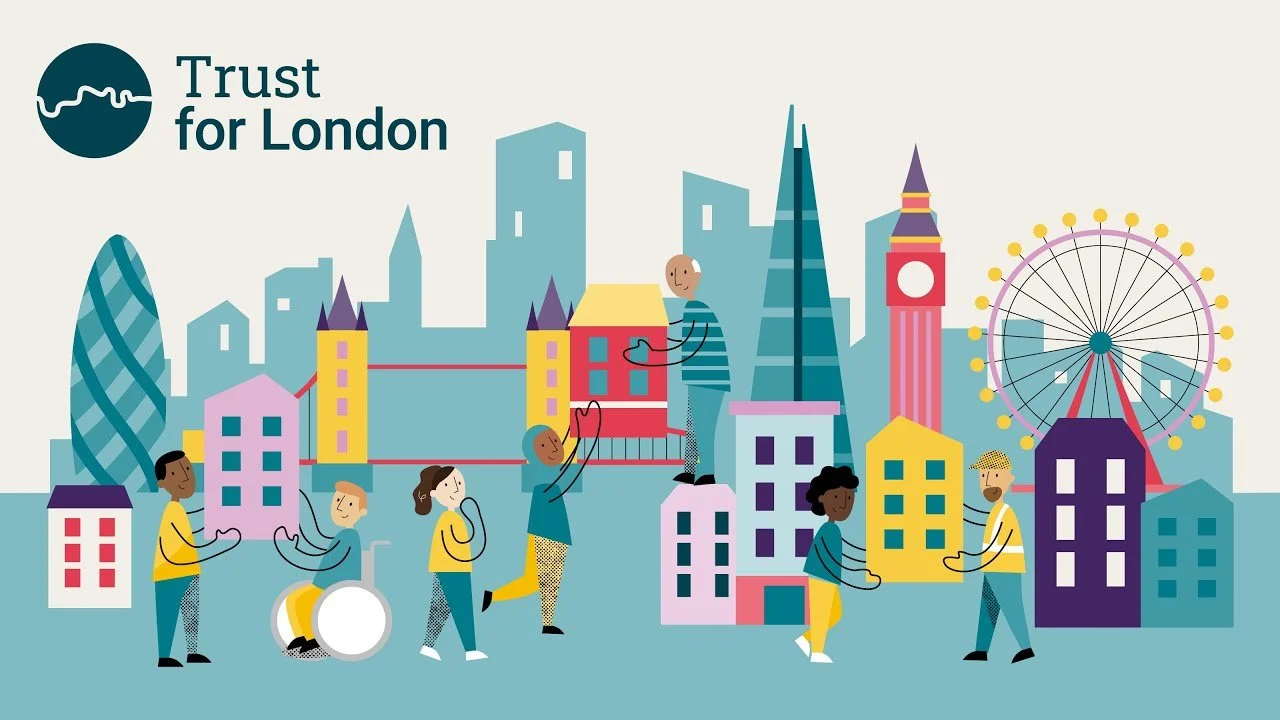
Trust for London
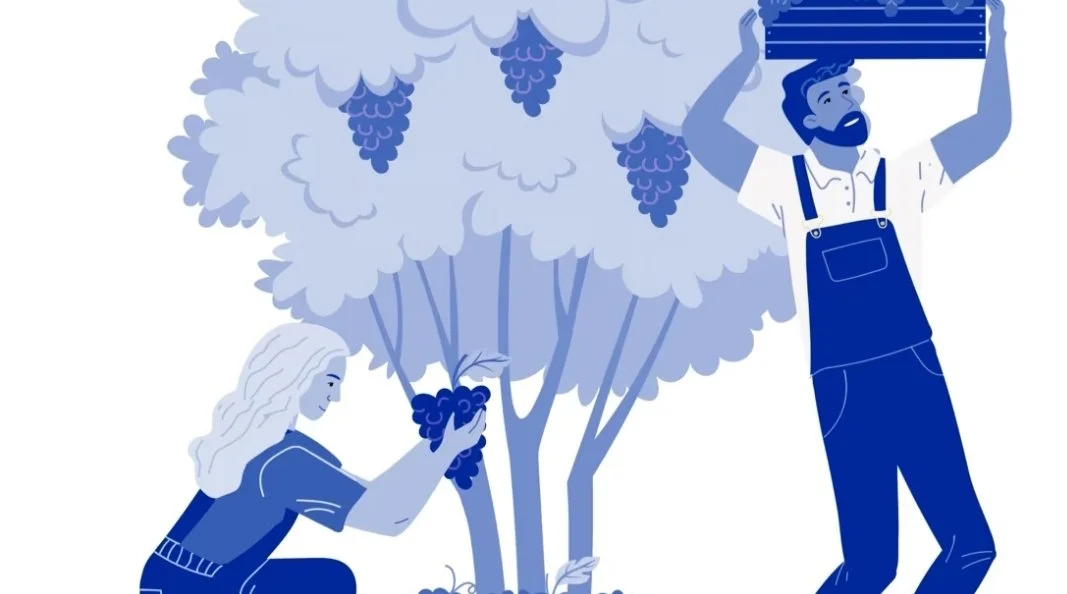
International Organization for Migration
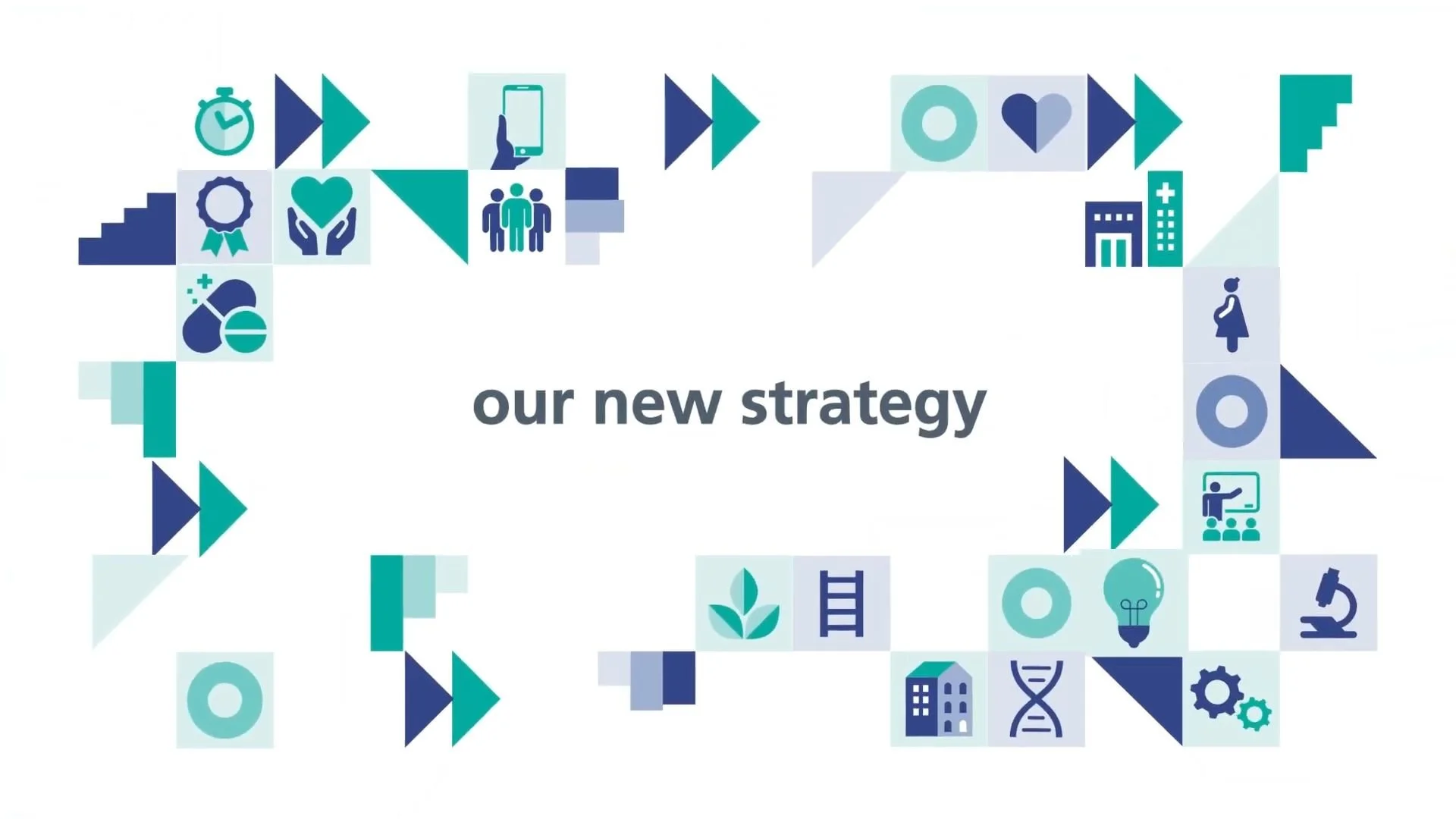
Compare the illustration style we developed for Trust for London versus IOM versus British Heart Foundation versus Guy’s and St Thomas’. They look completely different, because each one reflects that client’s specific identity and the needs of their project.
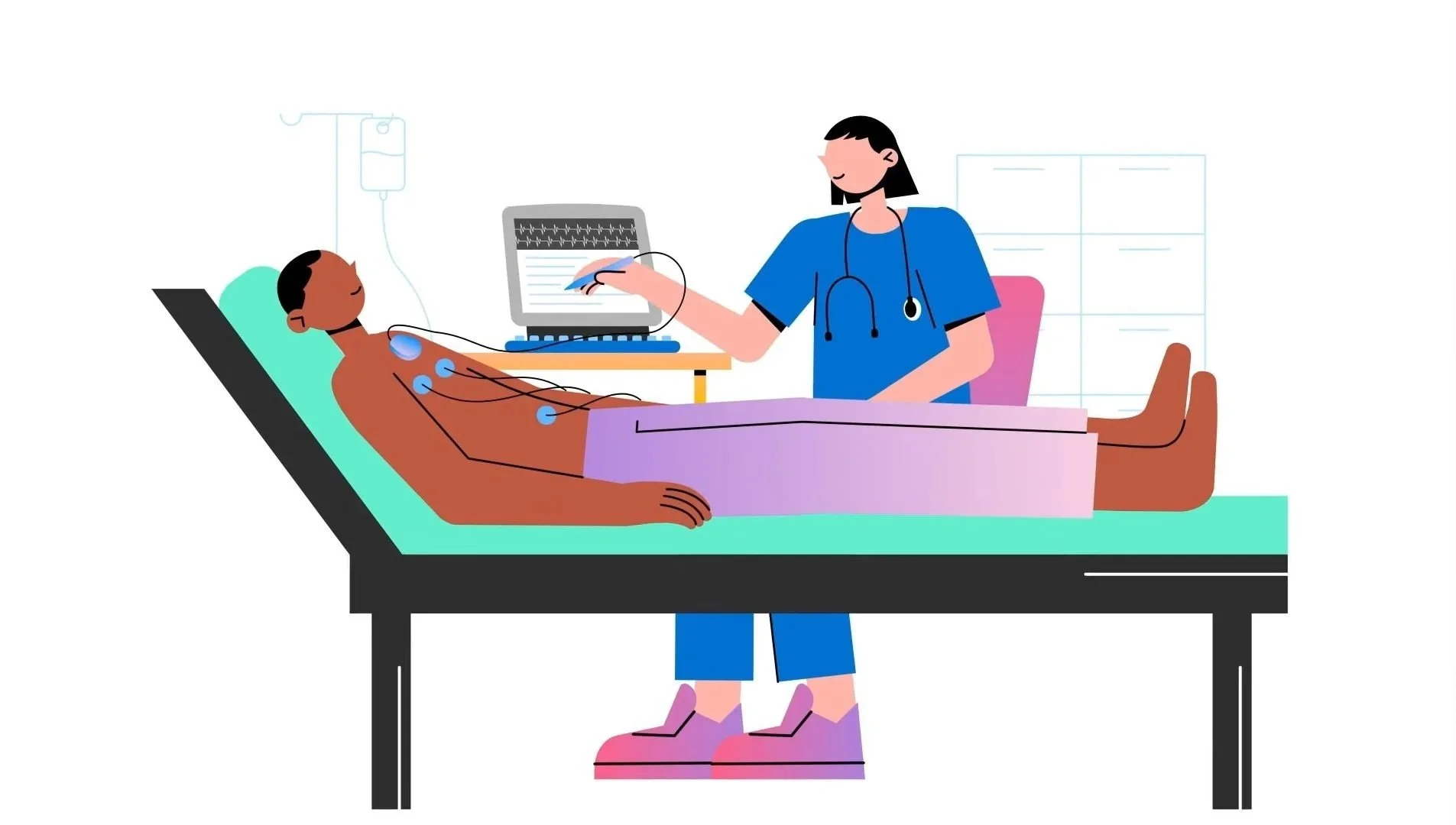
British Heart Foundation
Guy's and St Thomas' Hospital
This matters particularly for charities and nonprofits. Your animation should feel like it belongs to you, not like it came off a ‘cookie cutter’ production line. Many organisations specifically look for charity animation studios that understand this balance.
Step 5: Choosing the Right Voice for Your Animated Explainer Video
We send clients 10-20 professional voiceover artist samples, but here's the crucial bit: we don't just send generic showreels. We have each artist record a section of the actual script.
This matters more than people think. We've tried skipping this step and just letting clients pick from showreels, but more often than not, the VO who seemed like the perfect choice didn't sound right when they actually read our script.
A voiceover artist might have a brilliant showreel, but do they suit your specific message? The only way to know is to hear them read your words.
One of favourite voiceover artists to work with, Josef-Israel, was nominated for a One Voice Award for narrating our mental health animation for IOM. The right voice doesn't just read words. It carries emotion, builds trust, and makes people actually listen.
Step 6: 2D Animation Production (Bringing Your Animated Explainer to Life)
Our animation team works in Adobe After Effects. By this point the intellectual heavy lifting is done. The script is locked, the visual direction agreed, the timing tested. Animation is where all of that thinking becomes motion, and in the hands of a skilled animator it is a surprisingly intuitive stage.
One thing that makes a real difference at this stage is transitions. Moving smoothly between scenes is difficult to plan in a storyboard and largely comes down to the animator's instinct. Done well, they carry the viewer from one idea to the next without breaking the thread.
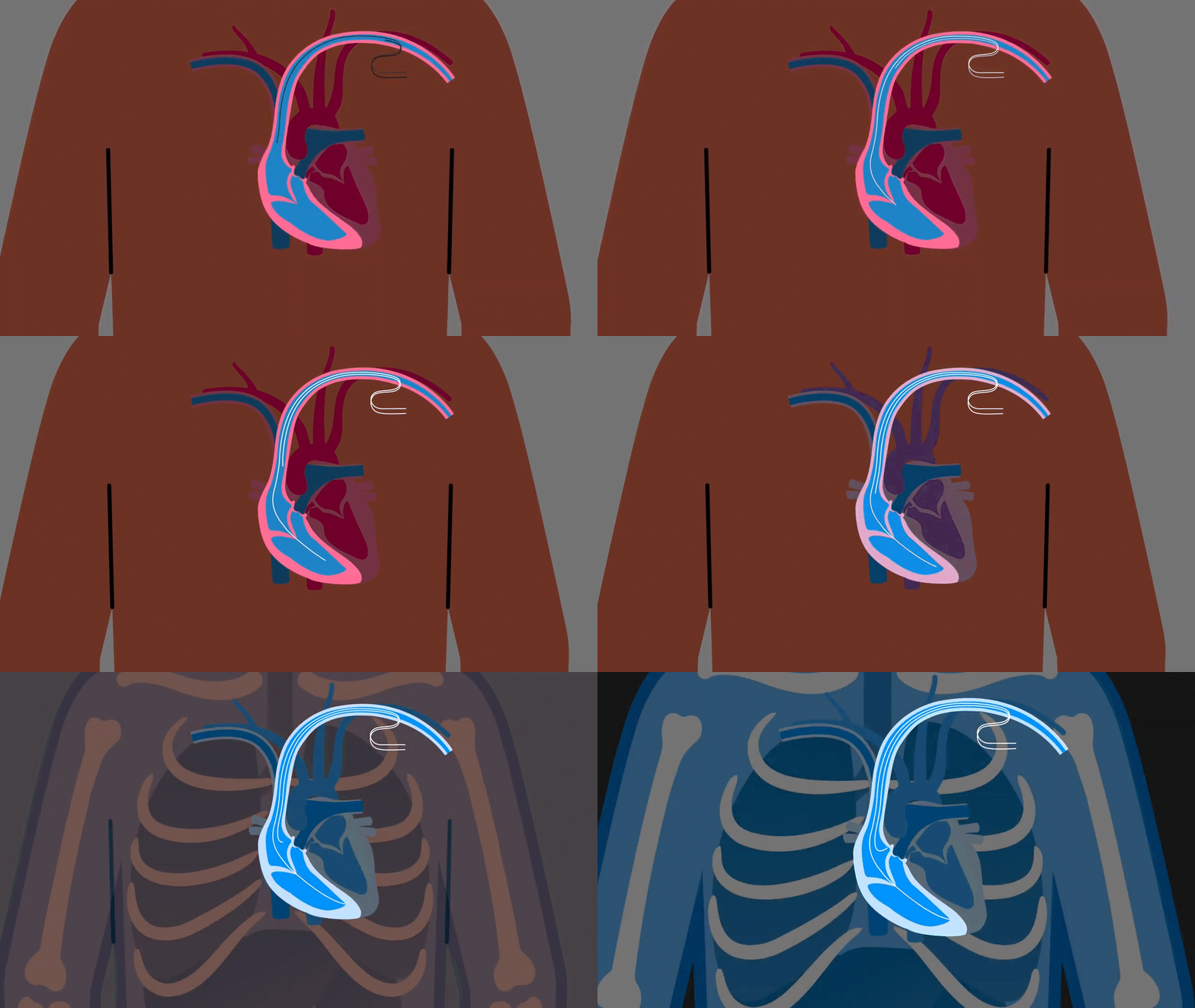
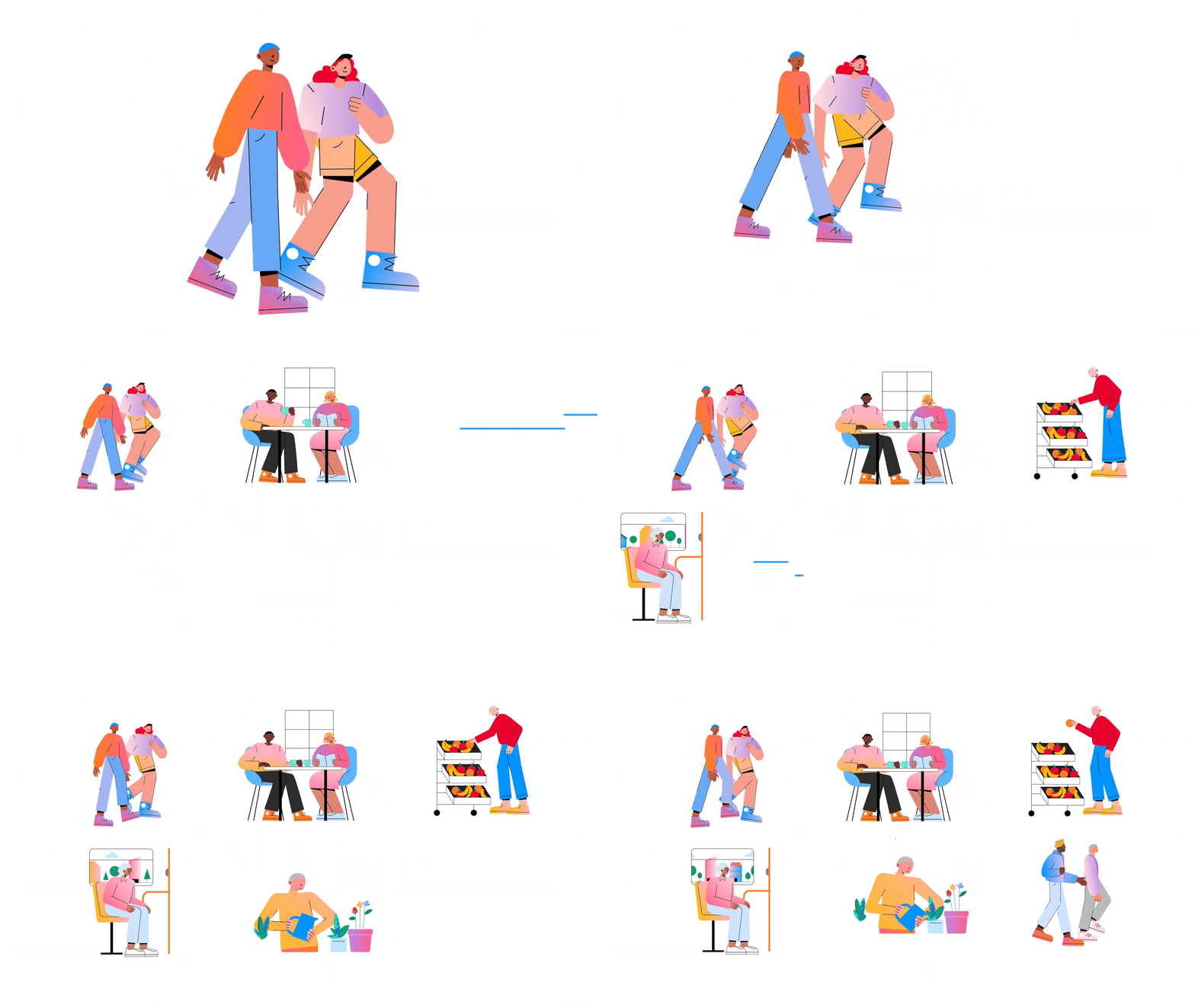
We specialise in character animation because most of our clients work with people-centred causes: healthcare, migration, education, community. Human stories tend to need human characters, and 2D handles this particularly well.
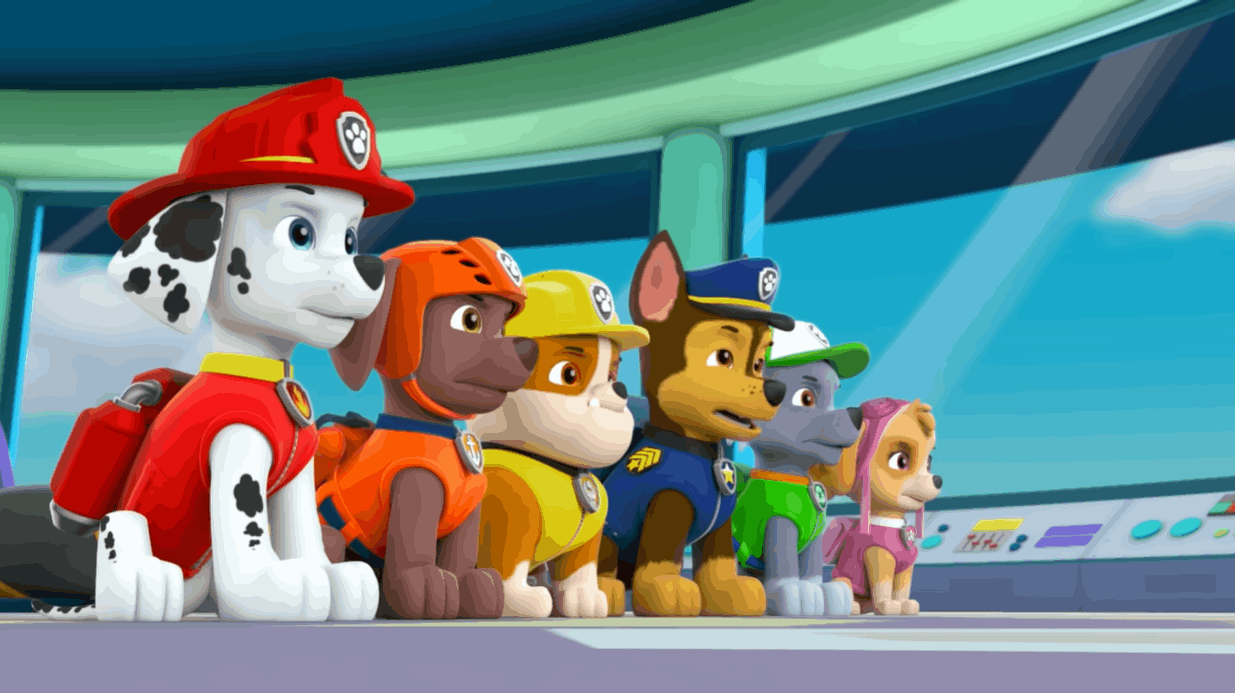
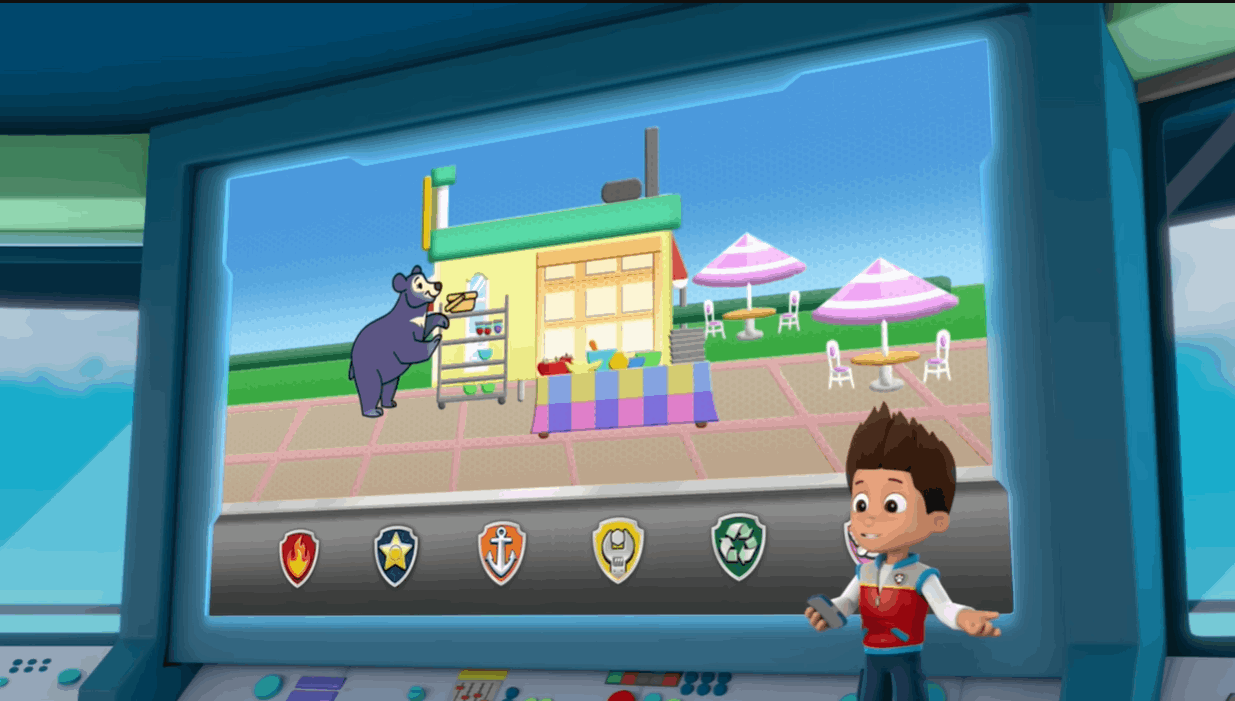
There is a reason 2D animation works so well for explaining complex ideas. Flat, simplified visuals let the information breathe. Even children's television knows this: shows like Paw Patrol and Bing use 3D for action and storytelling, but switch to simple 2D the moment something needs explaining. That is not a coincidence. Simplified visuals reduce cognitive load and let the message land.
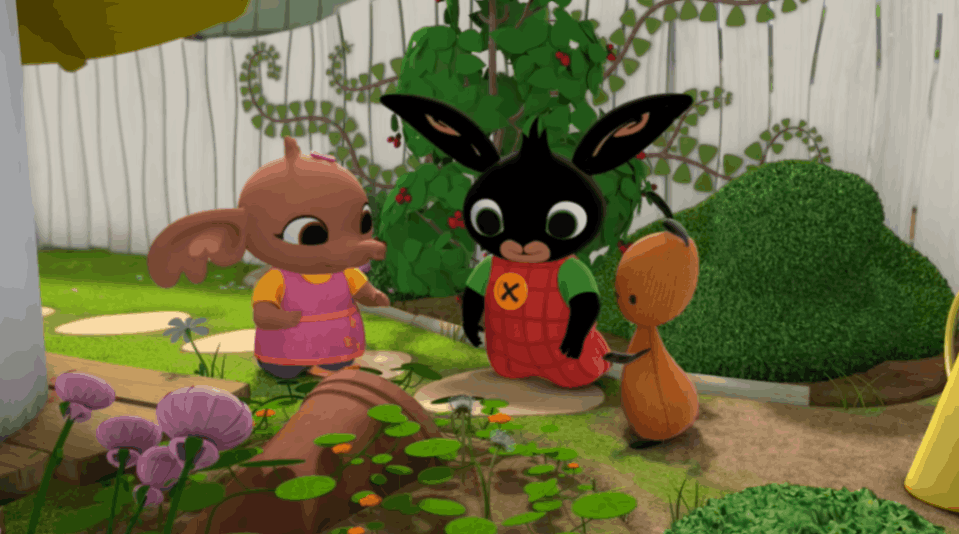
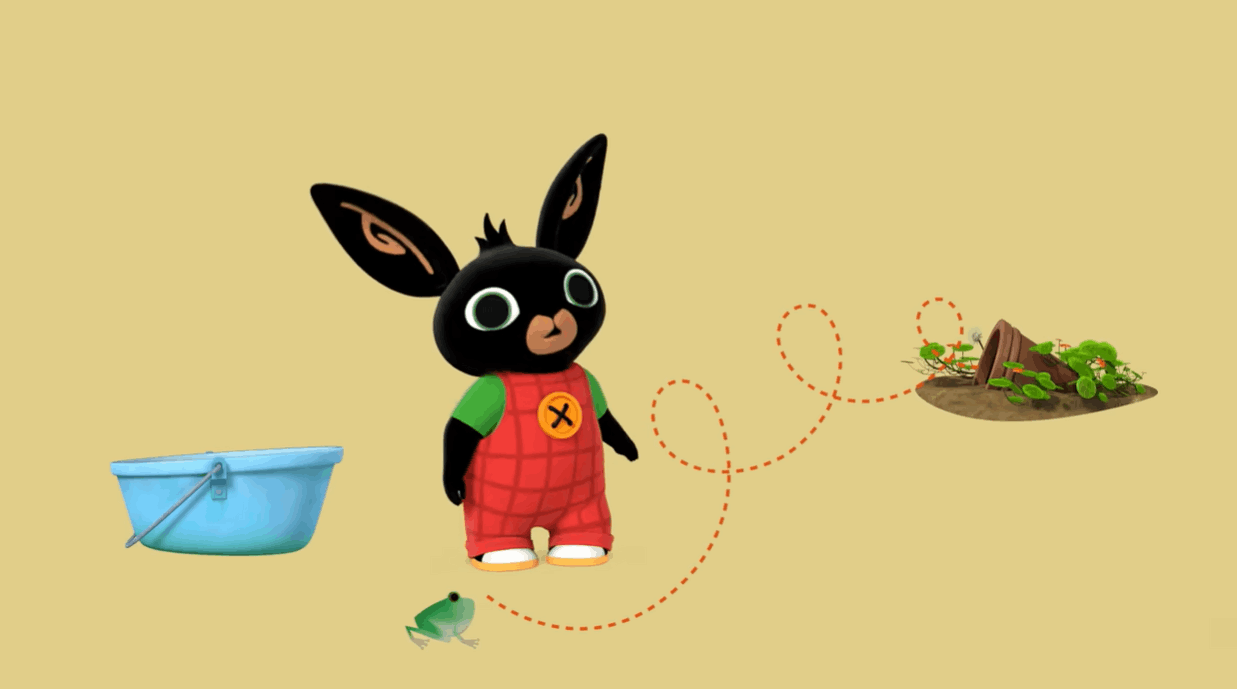
For charities explaining policy or hospitals breaking down medical procedures, the same principle applies. Clarity matters more than visual spectacle. There's more on why 2D tends to be the right choice for this kind of work here.
Every frame is a decision. Every transition should support the story, not distract from it. The animation is where all the earlier work comes together: the script, the mood board, the timing test, the illustration.
Step 7: Sound Mixing and Final Explainer Video Production
Clients choose from curated stock music options. If you are curious about how we approach music selection for nonprofit videos, we have written about it here. We spend time finding tracks that fit the tone of each project rather than picking something generic and moving on.
Once animation, voiceover, and music are ready, everything goes to a professional sound mixer. This step is easy to overlook but makes a significant difference to how the finished video feels. Bad audio mixing is exhausting: dialogue too quiet, music too loud, everything competing for attention. Good mixing is invisible. You just feel like everything is in the right place.
Why the Animation Production Process Matters as Much as the Craft
Our animation studio services are built around one thing: taking complicated messages and distilling them into something anyone can understand. That requires a collaborative process at every stage, not just the beginning and end. The results tend to speak for themselves.
When Guy's and St Thomas' NHS Trust needed to explain their MyChart app, our healthcare animation campaign helped register over 300,000 users in six months. When the UN Migration agency needed to hit their iDiaspora sign-up target, our nonprofit animation work helped them surpass it. The Royal Society's climate change video has had over 500,000 YouTube views.
If you are evaluating different animation services for your organisation, understanding the production process makes it much easier to compare studios.
See more of our NHS animation work and healthcare animation projects if you want a sense of what that looks like in practice.
What to Do Next
Every animation we make follows this process. Not because we are precious about it, but because we have learned, usually the hard way, that skipping steps costs more than following them. The script stage saves the mood board stage. The mood board stage saves the animation stage. It compounds.
If you are looking for animation services that work this way, we would be glad to hear from you.