Best Nonprofit Animated Videos of 2026 (April)
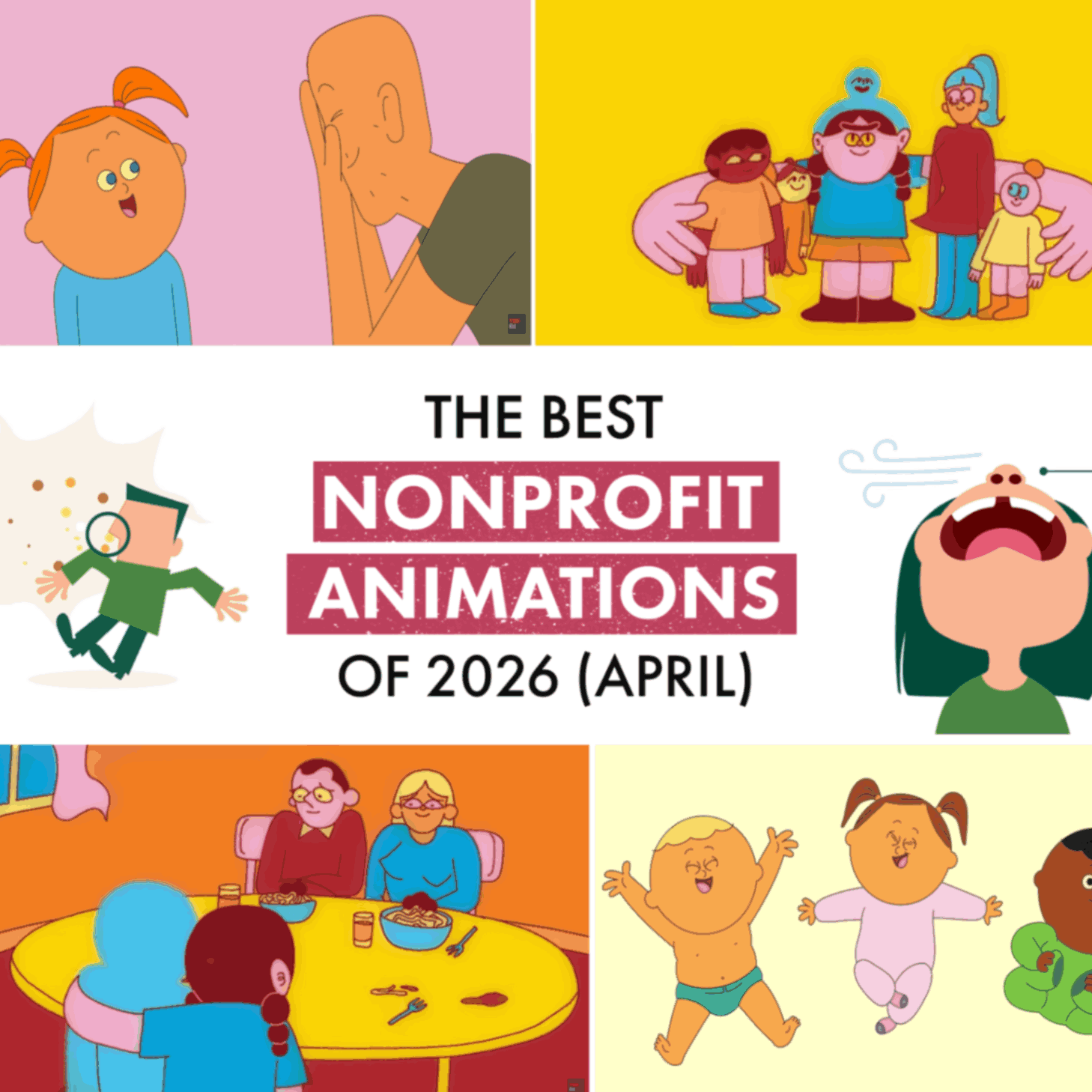
April is tax season, which means everyone is staring at forms with an ominous feeling in their stomache
Nonprofit animation had a better April. TED-Ed produced two educational videos treating child psychology seriously: imaginary friends and peek-a-boo development. Cleveland Clinic made a healthcare explainer about boogers that somehow made mucus genuinely interesting.
Two child development lessons. One nasal defence system. Better than doing your taxes, anyway.
Best Educational Animation
TED-Ed's "Have you ever had an imaginary friend?" & "The fascinating reason you loved peek-a-boo"
TED-Ed produced two child development videos this month, both treating early psychology with proper seriousness rather than dismissing it as just cute kid behaviour.
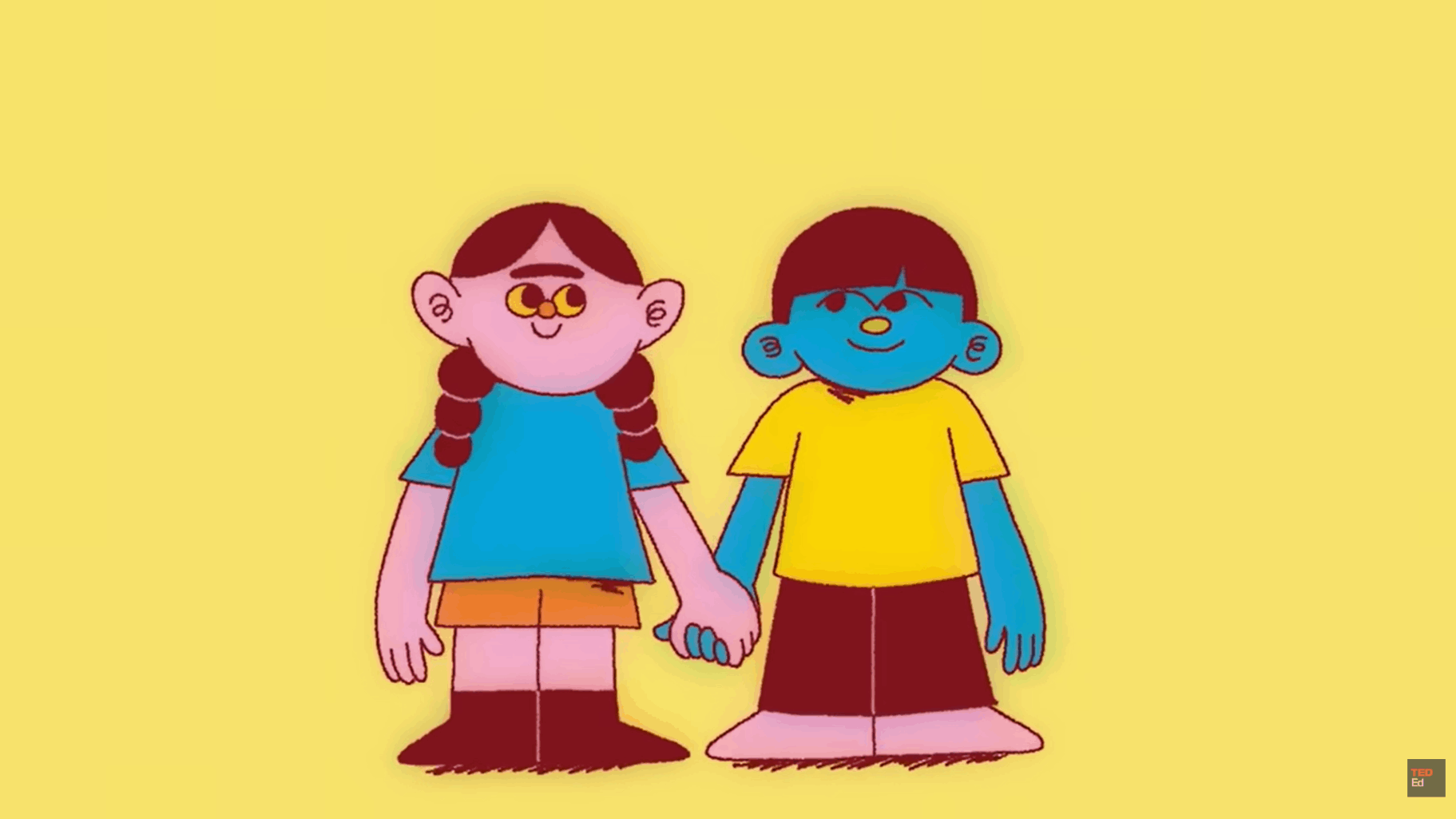
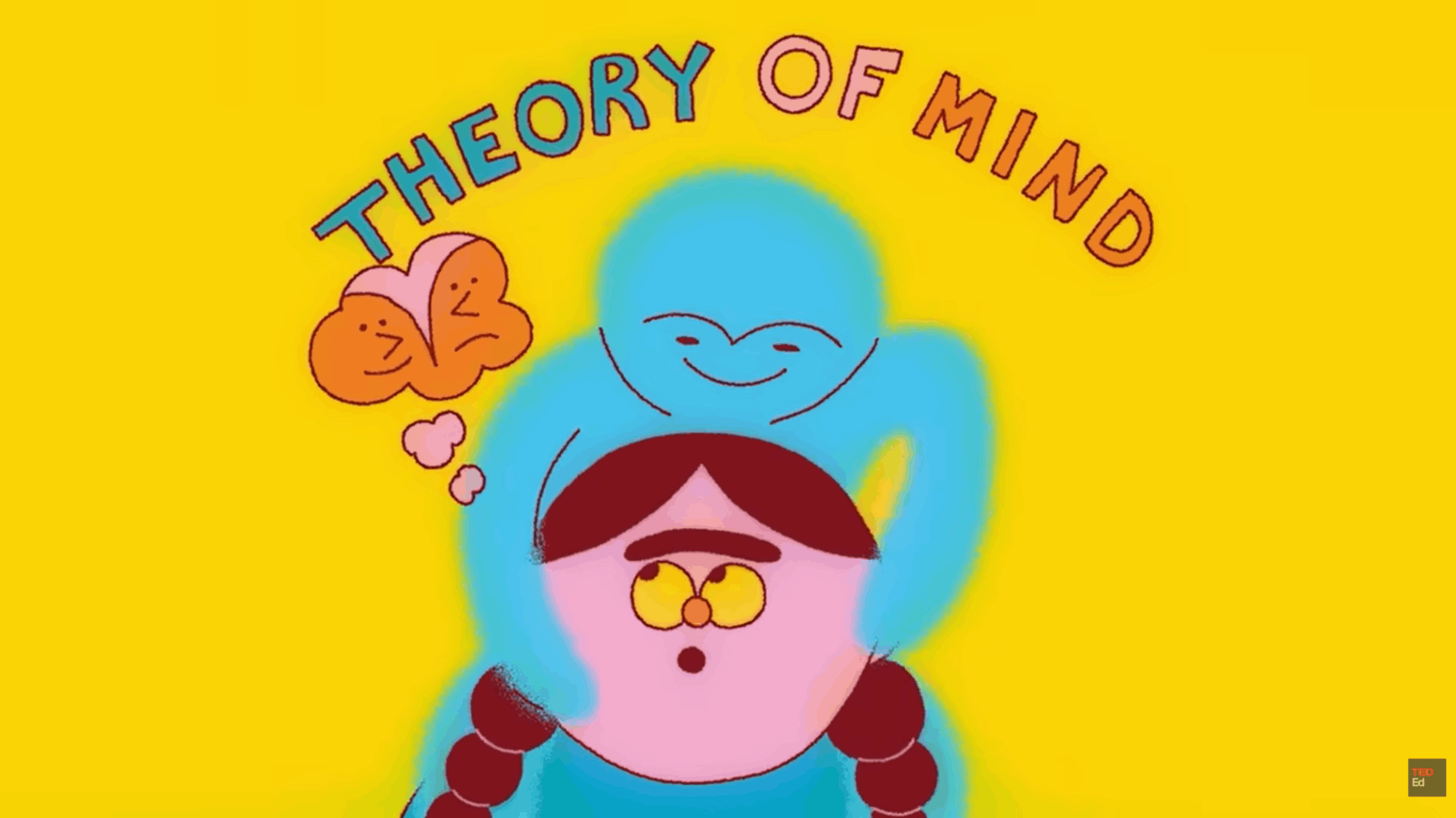
The first, directed by Caitlin McCarthy, explores imaginary companions. Deliberately childlike hand-drawn 2D with soft geometric forms, loose linework, and bold colours; oranges, yellows, pinks, and cyans. The imaginary companions glow with fuzzy edges against flat backgrounds, making them feel present and untouchable simultaneously.
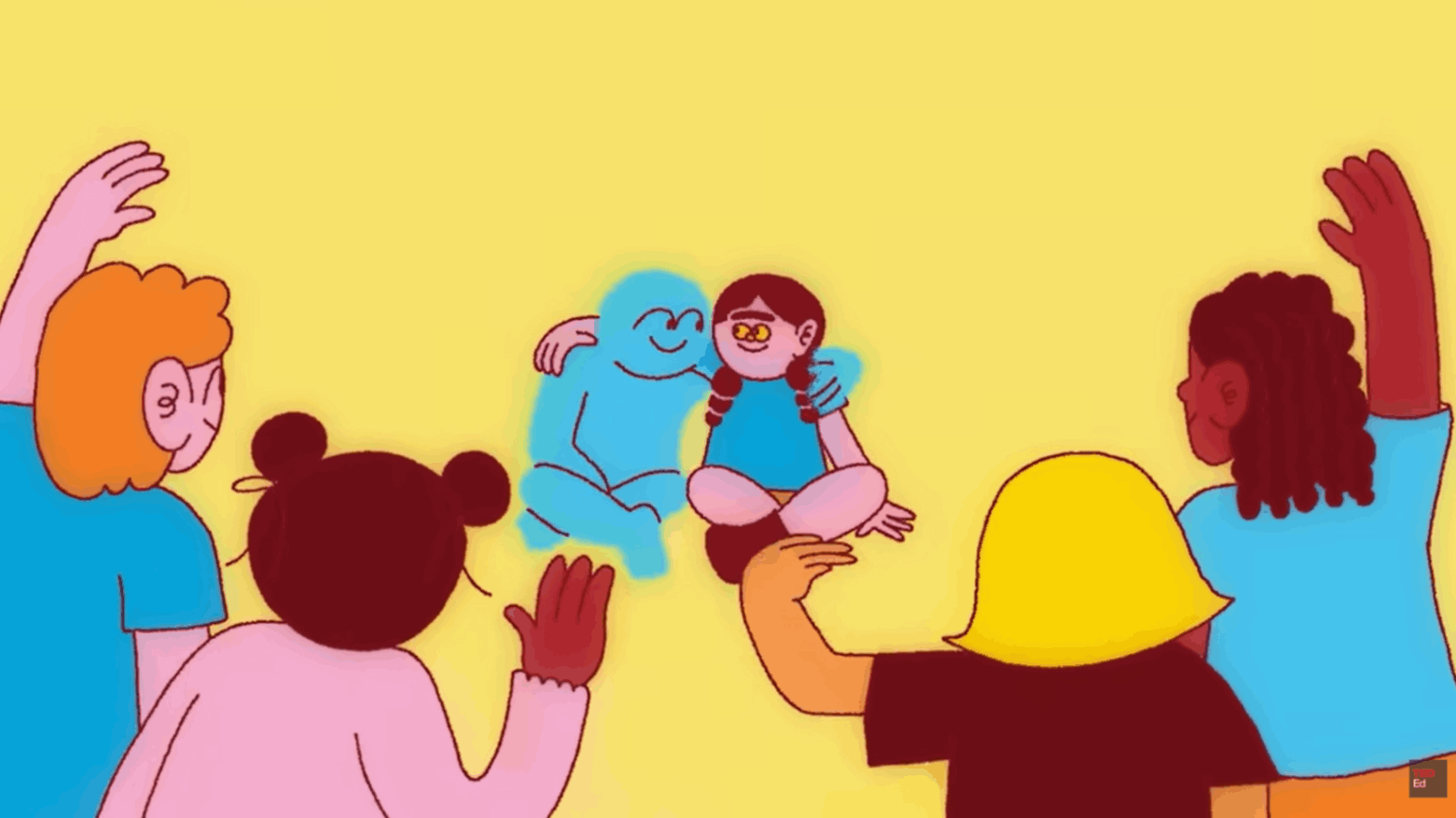
The script opens with Amia and her imaginary friend Zelba. "Amia is very real, and Zelba... is not." Then shifts into psychology. Roughly 67% of US children under 8 have invisible companions. These aren't quirky phases. They're tools helping children process emotions and develop empathy.
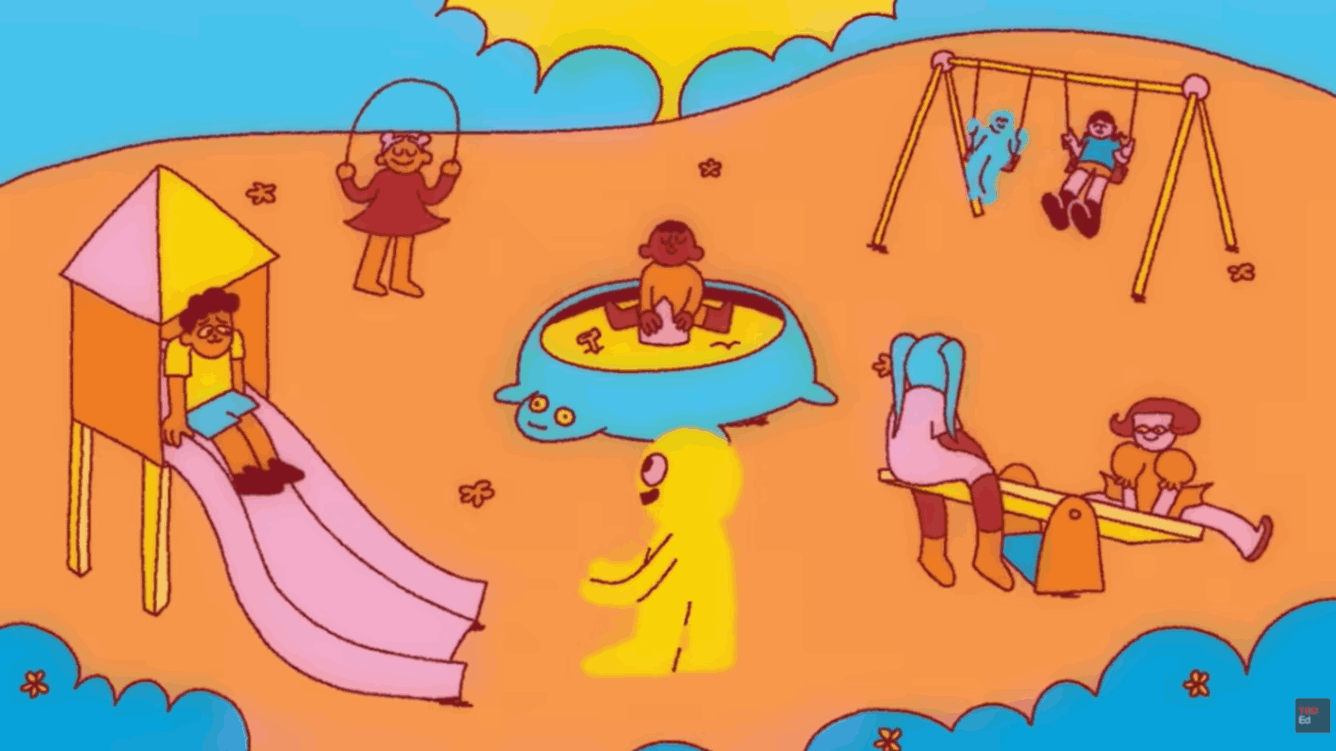
Notable line: "You're watching the beginning of a lifelong conversation." We never stop talking to ourselves. The imaginary friend is just the first version.
One commenter captured it: "I never got an imaginary friend, but I did become a writer."
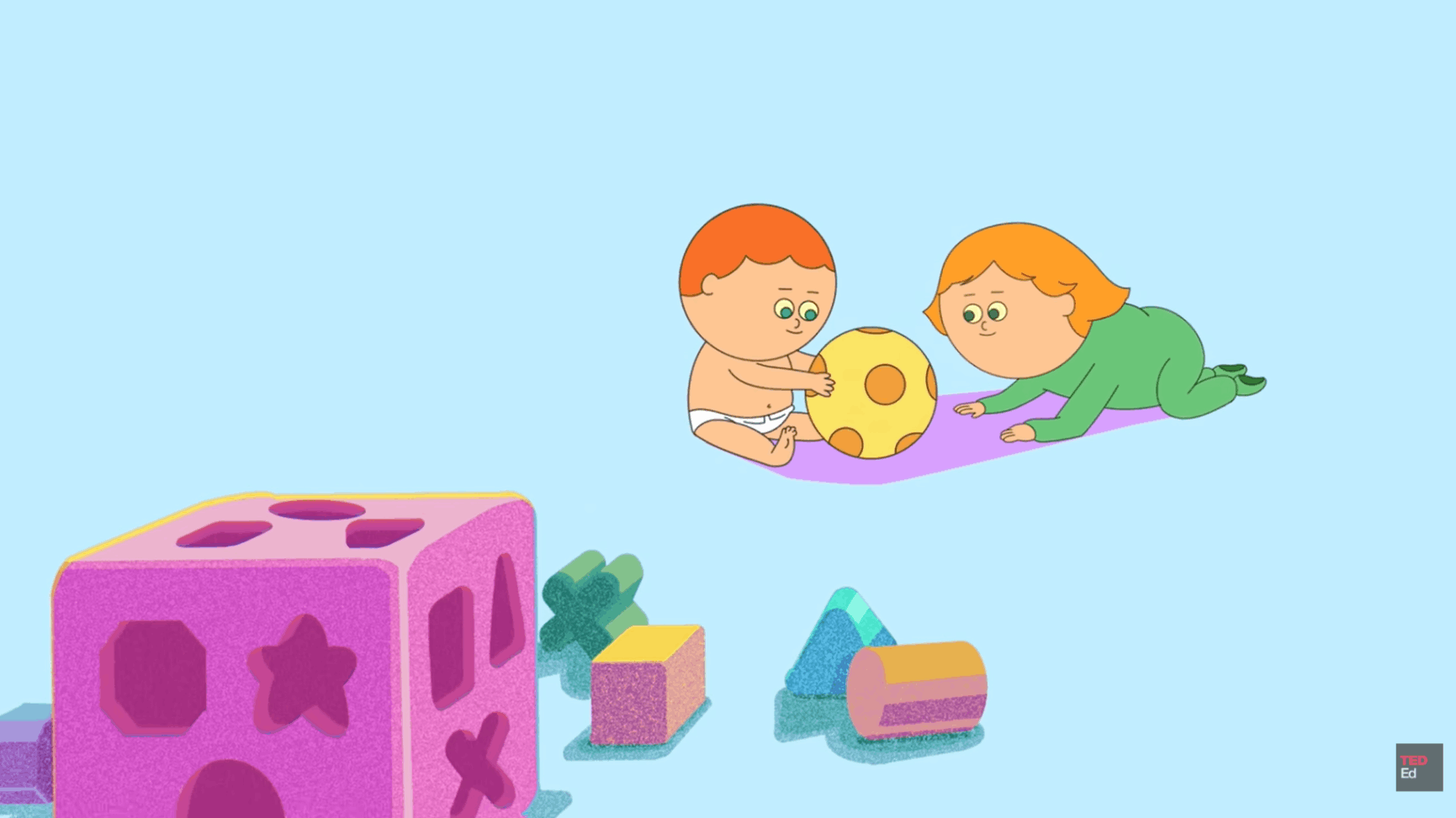
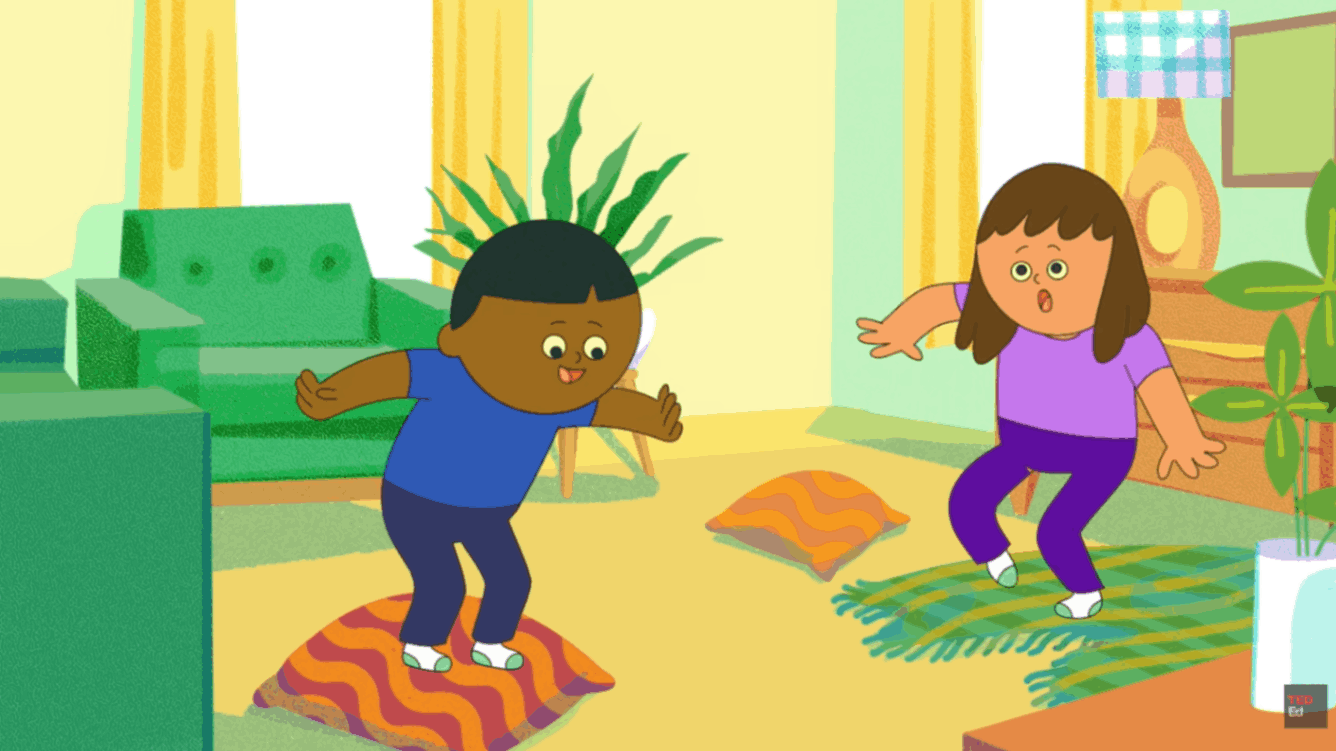
The second video, directed by Homework Studio, tackles peek-a-boo, the near-universal game where adults hide their faces and then reappear, sending babies into fits of laughter. Mid-century-inspired 2D with simplified geometric forms, oversized circular heads, tiny eyes, and soft pastels; greens, pinks, oranges, and blues. Backgrounds use flat colour fields with subtle grain overlays for warmth.
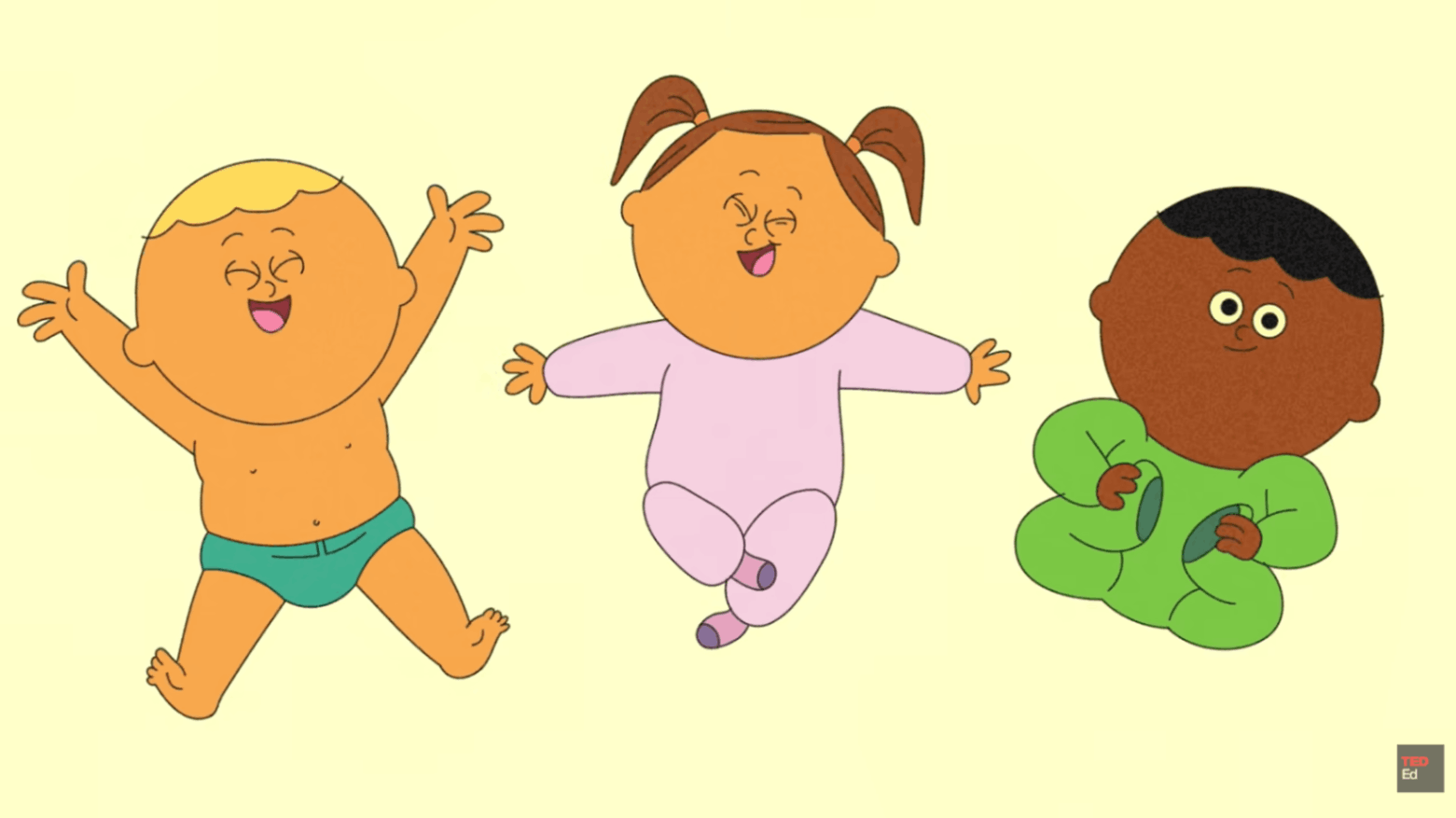
Object permanence, the understanding that things continue to exist even when out of sight, typically develops between 4 and 7 months of age. Before that, out of sight literally means out of mind. Peek-a-boo teaches babies that things still exist when hidden. It also introduces social expectation and surprise.
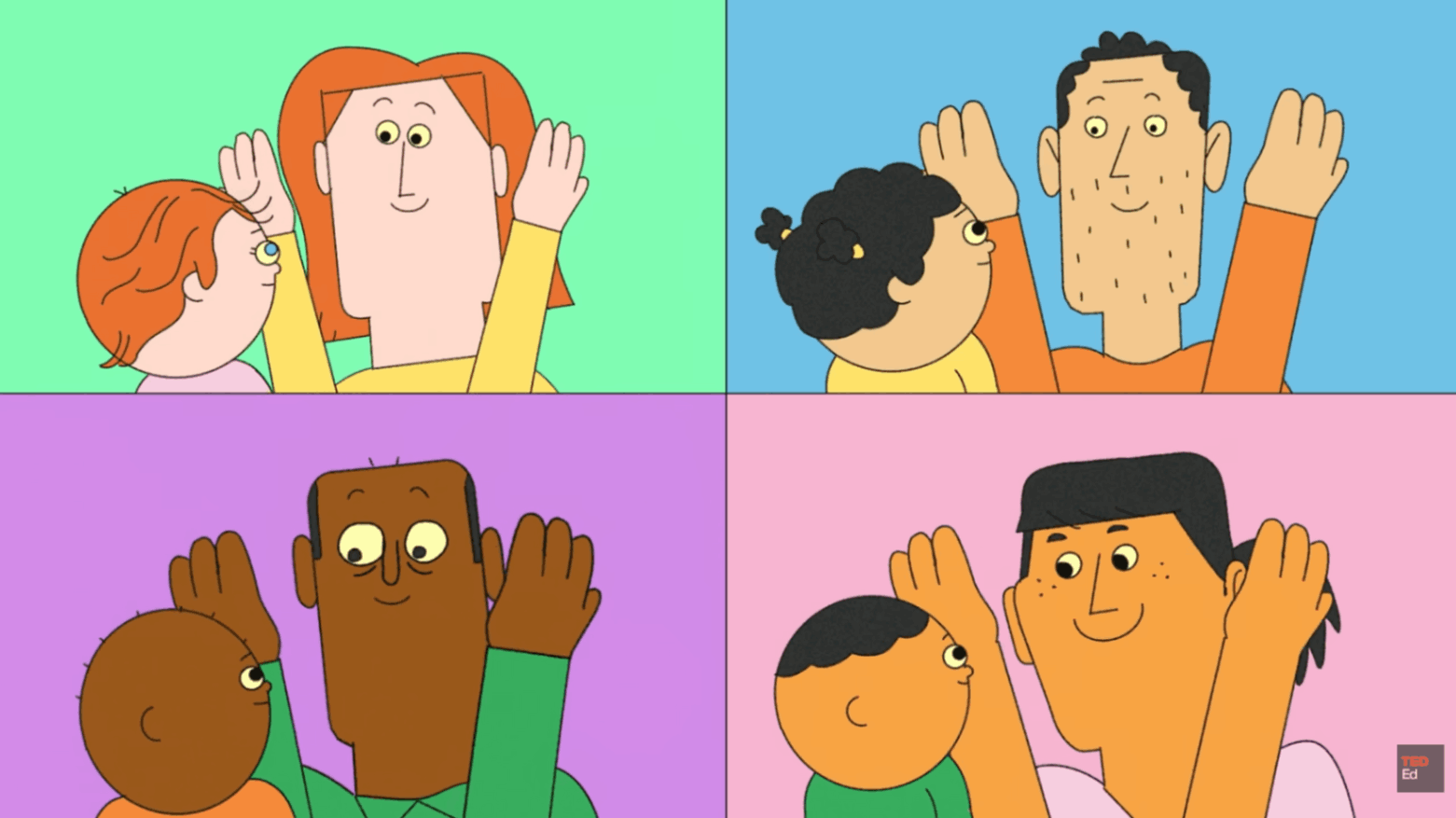
The script references Jean Piaget's 1936 developmental research and serve-and-return interaction patterns. "Peek-a-boo is one of their first teachers." Some psychologists describe it as a baby's first joke. An interaction where the format is reliable but the content is surprising.
One commenter nailed it: "I like to think of TED-Ed as the 'Answers to Shower Thoughts Channel'.”
Both of these nonprofit animations were funded by the LEGO Foundation. Educational animation treating child psychology seriously.

Best Healthcare Animation
Cleveland Clinic's "What Are Boogers and Why Do We Have Them?"
This two-minute healthcare animation for children aged 5-10 answers a question most adults avoid discussing: what are boogers and why does your nose produce them constantly.
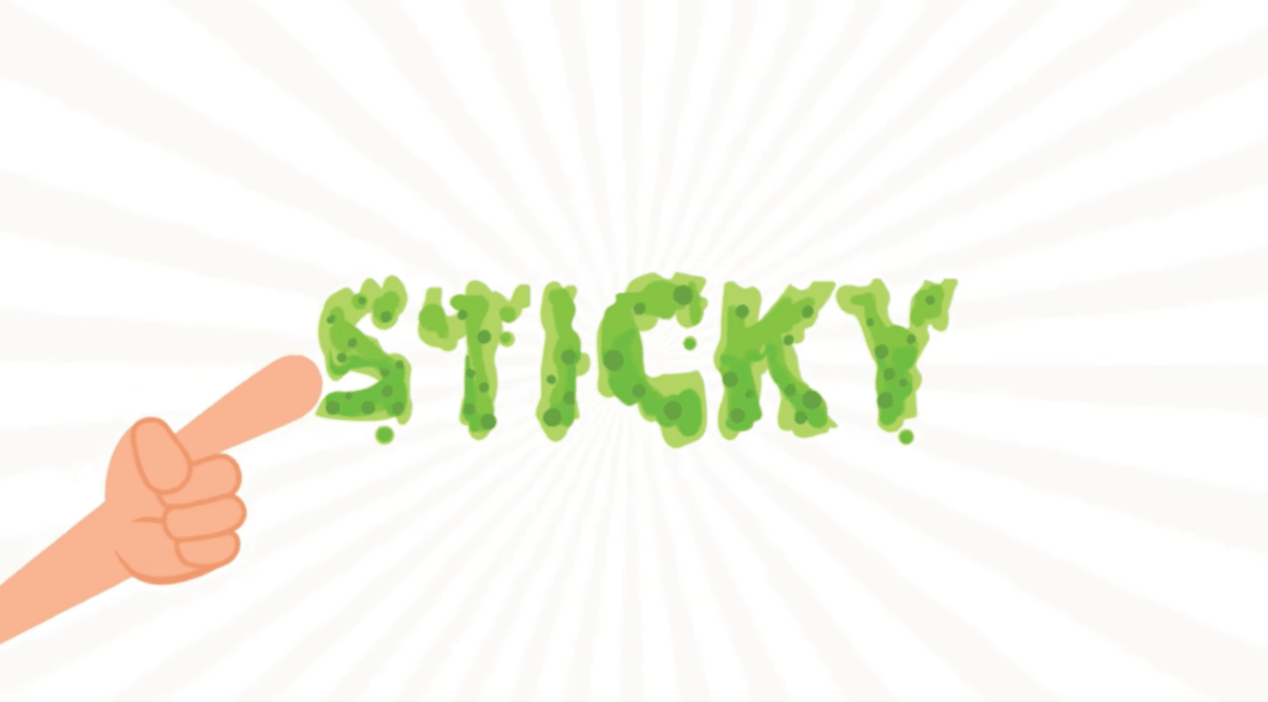
The healthcare animation integrates typography as an active storytelling device. Words behave, deform, and visually embody the concepts they describe. "Sticky" and "Crusty" are rendered with irregular organic letterforms that mimic mucus texture. The typography itself feels gooey, uneven, textured. You do not just read "crusty", the letters look it.
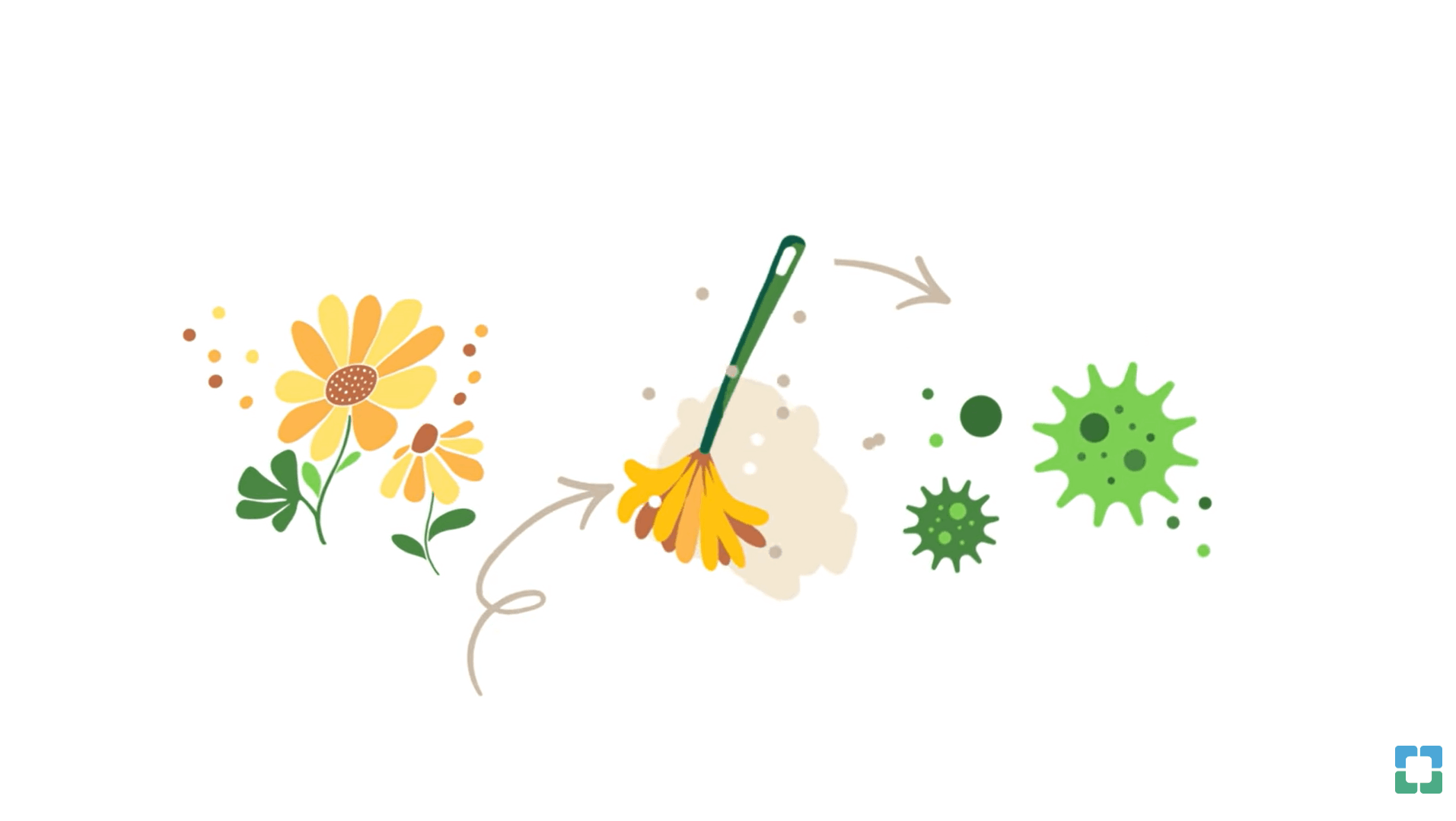
The motion graphics use conceptual transitions throughout. Dust particles become germs, arrows curl into airflow pathways, text bursts into pieces. Objects transform through association and metaphor rather than literal continuity. There's a strong infographic sensibility: arrows, labels, diagrams animated with looping paths and elastic movement.
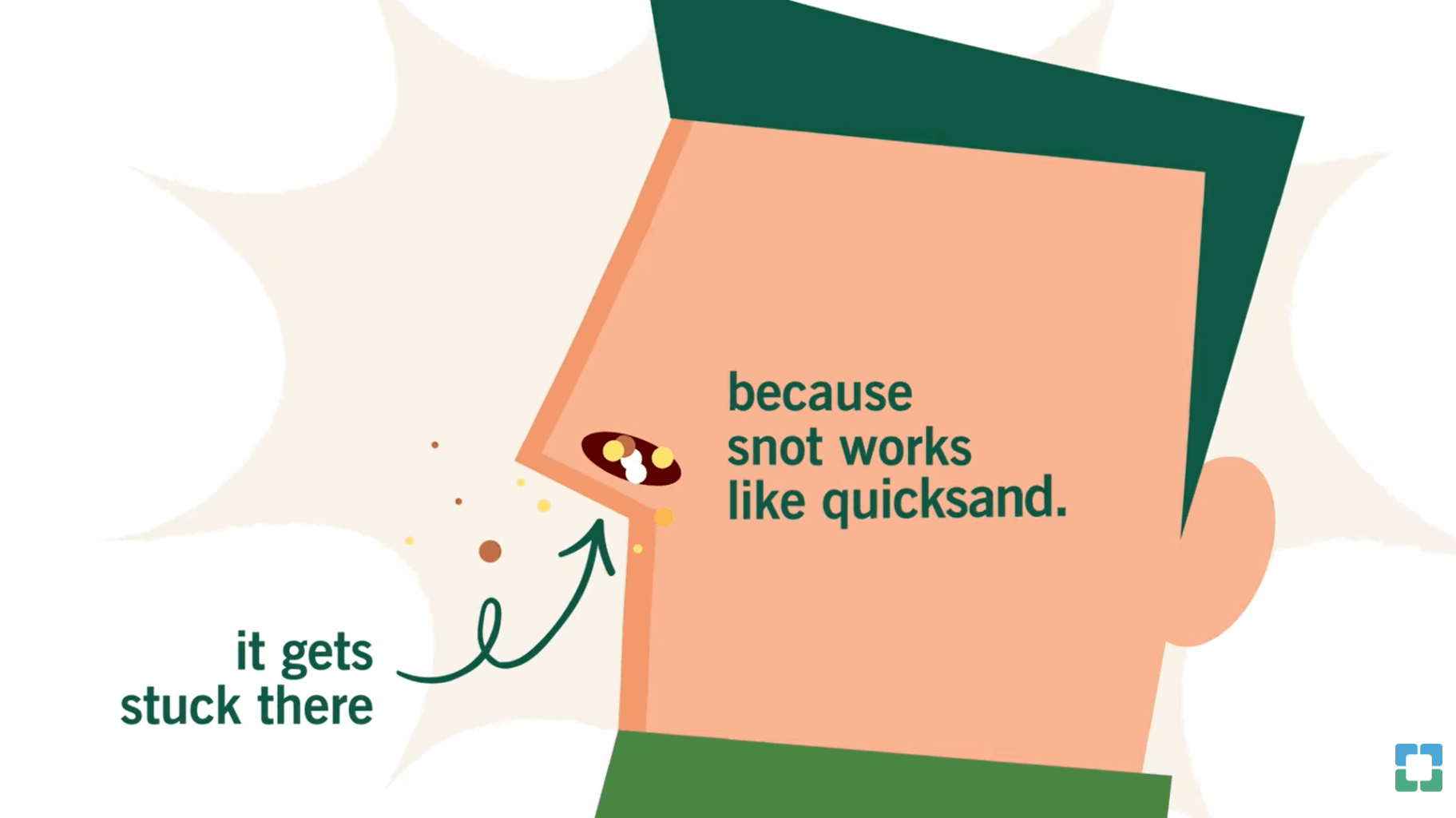
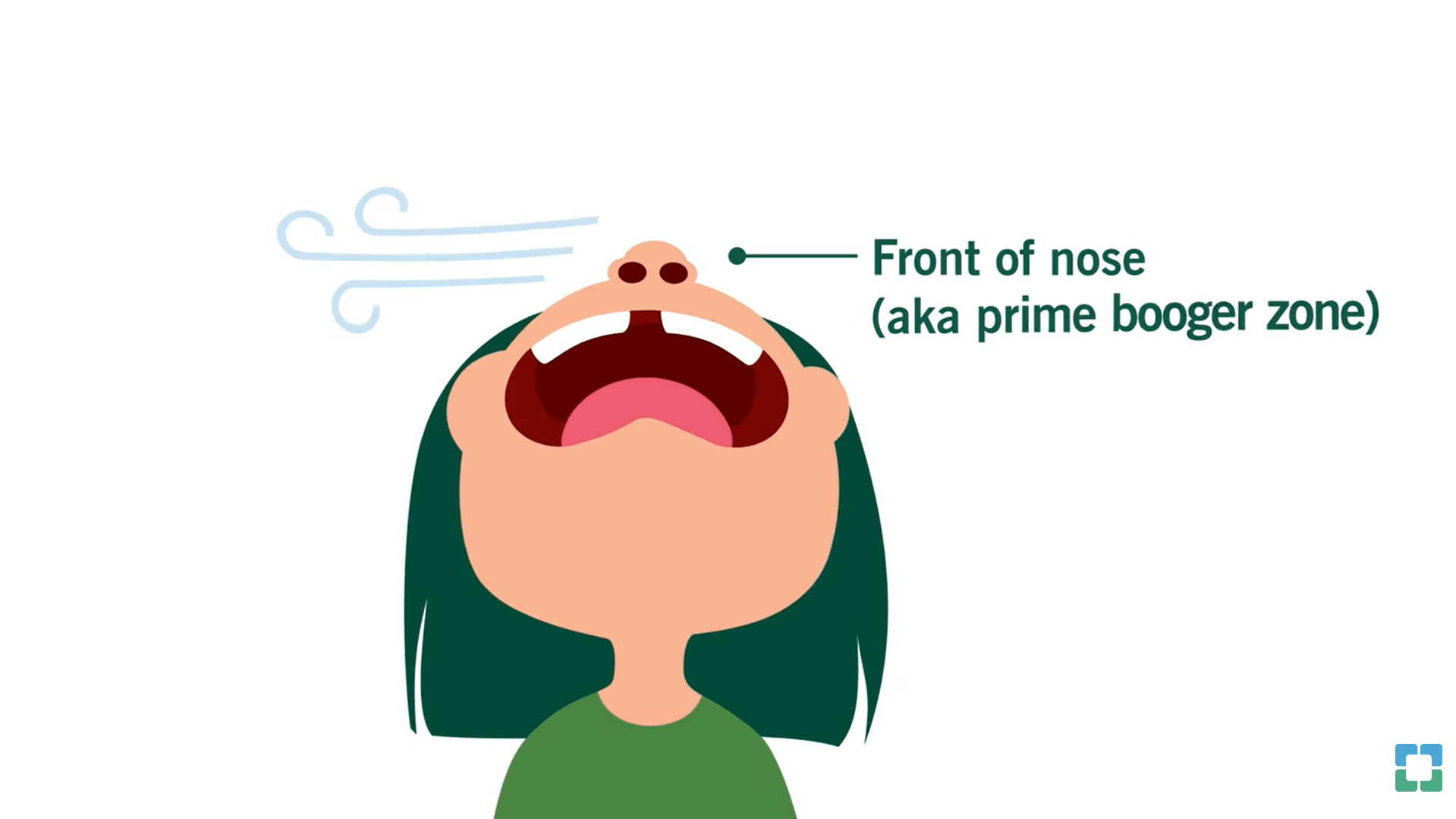
The script opens friendly: "They're sticky, they're crusty, they're, well, kind of gross." Then explains the biology. Mucus traps pollen, dust, viruses, bacteria. "Snot works like quicksand." When mucus dries out, you get boogers. The front of your nose is described as "the prime booger zone."

The narration stays reassuring throughout. Boogers are normal. Dry air and allergies increase crusty mucus. Saline spray and humidifiers help. Excessive nose-picking can cause nosebleeds or infections.
Apt timing for April, too. Pollen season hits hard this time of year, in Salamanca, Spain, where our creative director lives, there's a monthlong wave of sneezing and tissue boxes everywhere. Turns out explaining mucus becomes significantly more relevant when everyone's noses are working overtime.
Healthcare animation that reminds you your nose is doing a lot of work.
What These Nonprofit Animations Teach Us
Educational animation works when it takes the subject seriously. TED-Ed did. Half a million views and comment sections full of adults quietly rethinking their childhoods.
Healthcare animation shouldn't flinch at the gross factor. Cleveland Clinic didn't sanitise mucus. They made it interesting and explained why your body produces it. Audiences pay attention when you stop pretending bodies are polite.
Typography can carry the content. The boogers video proved that kinetic text and motion graphics can explain biology as well as illustration. The medium is whatever works, not whatever looks safest in a committee presentation.
Catch up on our 2026 Best Nonprofit Animated Videos roundups: January | February | March.
Or explore the archive: Best Nonprofit Videos of All Time.
What's Leon! 2D Animation Studio Up To?

Our charity animation studio is still deep in healthcare animation. Just about to release a new video for Guy's and St Thomas' about their MyChart app for children and young people, we even created related posters using animation stills that are currently at the printers. Plus ongoing work: epilepsy care for The BAND Foundation and the women's healthcare series for Oxleas NHS. Different subjects, same principle: make complicated biology understandable without dumbing it down.
Our 2D animation studio makes complex health and development topics watchable. If your message needs that, we should talk.