How to Brief an Animation Studio (So You Get What You Want)
Most animation projects that go wrong do not go wrong in production.
They go wrong in the brief.
A vague brief produces a vague video. An over-specified brief produces a video nobody wanted. A brief that has not resolved the core message produces something that goes through six rounds of revisions and still feels like a compromise.
We have received hundreds of briefs over the years, for NHS trusts, UN agencies, charities, and universities.
The ones that lead to great work share a few specific qualities.
The ones that don’t… share a few specific problems.
Here is what we have learned from both.
Before You Write Anything: Resolve the Message First
A brief is not where you figure out what the video should say.
It is where you communicate a decision that has already been made.
If internal agreement has not been reached before the brief goes out, the studio will spend your budget helping you reach it through production. That is the most expensive possible way to do it.
This matters particularly for NGOs and healthcare organisations. A UN agency might want the video to explain a policy, build public trust, and drive sign-ups, all in 60 seconds.
A hospital trust might have three departments with three different ideas.
These are not problems a studio can solve.
They need to be resolved before the brief is written.
A useful test: can you write the core message in a single sentence? Not a paragraph, not a list of objectives. One sentence. If you cannot, the brief is not ready yet.
What a Good Animation Brief Actually Needs

None of the following things are optional. They’re what an animation studio needs to do a good job.

The one thing you want the viewer to do or understand. Not five things. One. If there are multiple objectives, rank them. The script will be built around the primary one.

Who is watching? Be specific. “The general public” is not an audience. “NHS patients aged 40-65 who have been referred to a new digital health platform and may be sceptical about using it”, on the other hand, is a specific audience.
A video that tries to speak to everyone usually connects with nobody.

Where the video will live. On your homepage, to be presented at a conference, on a particular social media platform? These are all different, and require different approaches.
Duration matters too. Three minutes can work at a conference where the audience is captive. On YouTube, where a suggested video is one click away, it almost certainly won’t.
Tell the studio where this is going, how long you have the viewer’s attention, and whether it needs subtitles or multiple languages.

What success looks like. This is the question most briefs leave out entirely.
Sign up for a platform? Understand a new process? Feel differently about your organisation? A concrete definition of success will shape every decision downstream.

Brand guidelines and visual references. References do not constrain creativity. They give the illustration team a starting point rather than a blank canvas, which tends to produce better results and fewer revision rounds.

Timeline and any fixed deadlines. Be honest about this.“As soon as possible” is not a timeline. Most professional 2D animation studios need four to six weeks from script sign-off.
Build that into your planning before you send the brief.
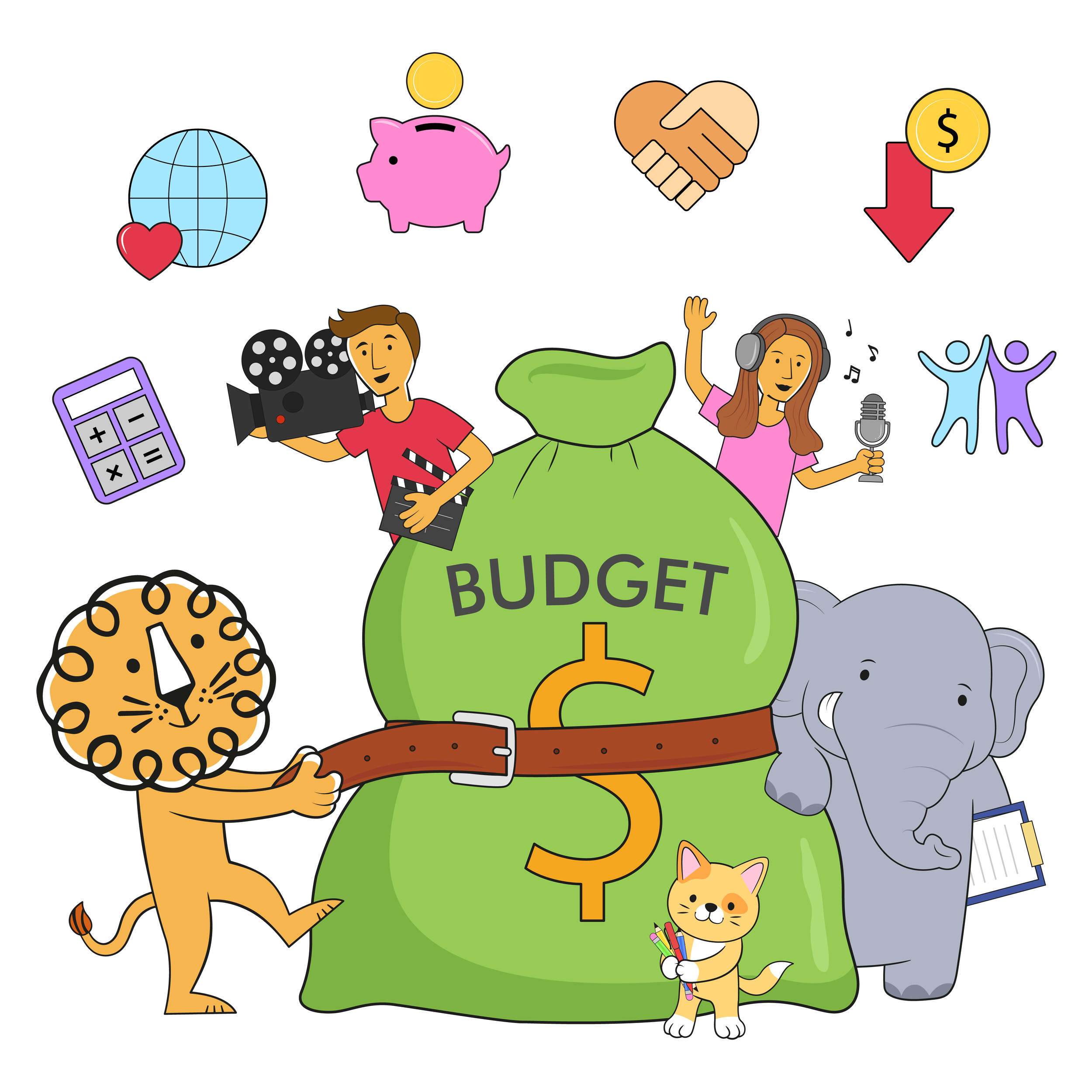
Budget. Clients sometimes withhold this, assuming it gives them negotiating power. In practice, it usually just wastes time.
An animation company that knows your budget can tell you immediately whether what you want is achievable. Our pricing guide for nonprofits covers the full range if you’re still working this out.

What Not to Put in a Brief

A brief that is too long creates as many problems as one that is too short.

Too many messages. A large NGO once sent us a brief asking their animation to explain a five-point policy framework, introduce three partner organisations, include a call to action in four languages, and run to under 30 seconds.
Every item was reasonable in isolation. Together, they were impossible.
The brief had not been through any prioritisation process.
Prescriptive visual direction without context. Sharing visual references is useful. Specifying exactly which colours, illustration style, and character type, without explaining why, boxes the creative team into decisions before they have understood the brief.
Share what you like and why. Let your animation studio do the rest.
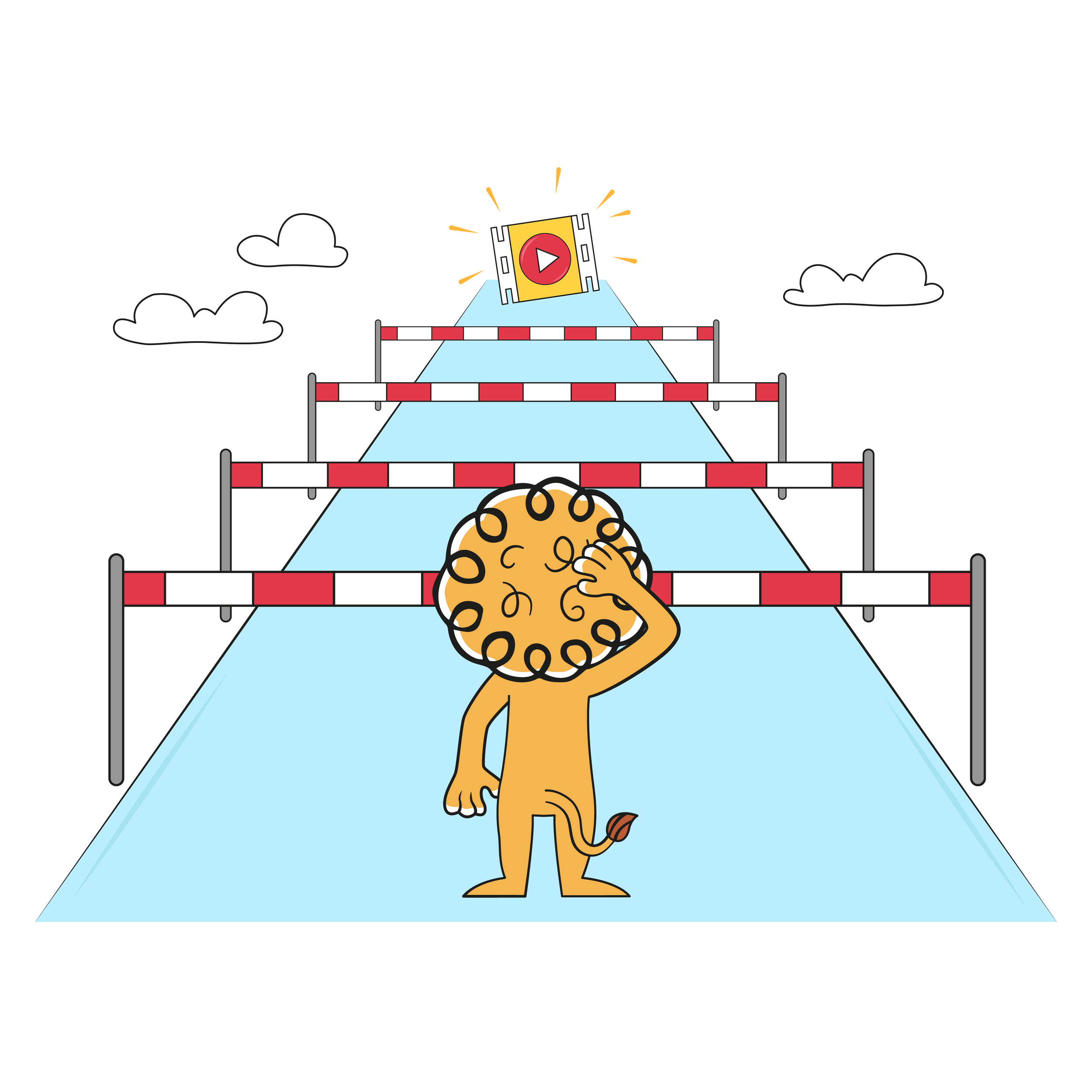
Multiple points of contact. Appoint one person with the authority to make decisions and communicate them.
The more decision-makers in the feedback loop, the slower and more expensive the project becomes.
The Brief Is a Mirror

The quality of a brief usually reflects the internal clarity of the organisation sending it.
A clear brief tends to come from a team that has already done the hard work of agreeing on what they want to say. A vague one tends to come from a team that has not yet had that conversation.
That is not a criticism. Getting to an internal agreement on a message is genuinely difficult, especially in large organisations with multiple stakeholders and legal teams.
A good studio can help you clarify a rough message. It cannot resolve a fundamental disagreement about what the video should be for.
Get the script wrong and nothing else can save the video. We have written about why the script matters more than most studios admit, but the short version is this: the brief is where the script starts. The clearer the brief, the better the script. The better the script, the better everything else.
Questions Worth Answering Before You Send Anything
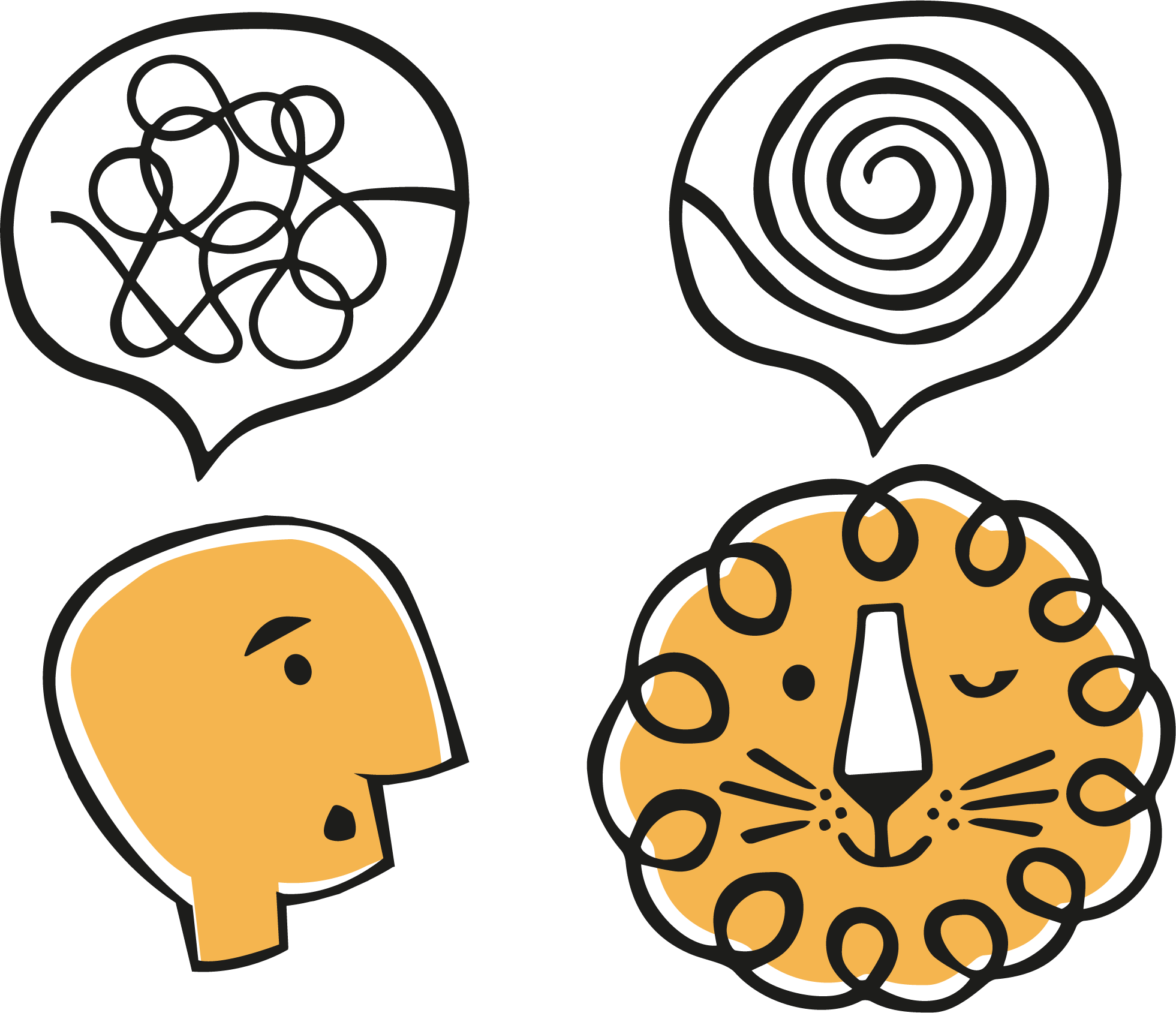
Run through these before the brief goes out. If you cannot answer most of them clearly, the brief probably needs more work.
Single viewer takeaway?
Who is watching, and what do they already know?
Where will it live?
Does it need to work without sound?
What should the viewer do after watching?
Is there internal agreement?
Who is the single point of contact?
Hard deadline?
Budget?
If you are still working out what a professional animation service covers and how to compare quotes, this breakdown covers both.
If you want to understand how the production process runs once the brief is in, Inside a 2D Animation Studio walks through each stage.
And if you have a brief that is ready to go, get in touch. We will tell you honestly whether we’re the right fit for it.