Why Your Nonprofit Animation Should Be 60 to 90 Seconds (or less)

And why asking for a 10-minute video is probably a brief problem in disguise.
We received a tender recently asking for a ten-minute animated explainer video.
The organisation had a lot to say. Migration routes, health risks, community support across three countries. Real complexity, real stakes.
But ten minutes is not a video. It is a documentary.
And most of the people it needed to reach would have stopped watching around the 47-second mark. The result, if you proceed, is expensive and largely unwatched.
Why Nonprofit Animation Costs Scale Directly with Length
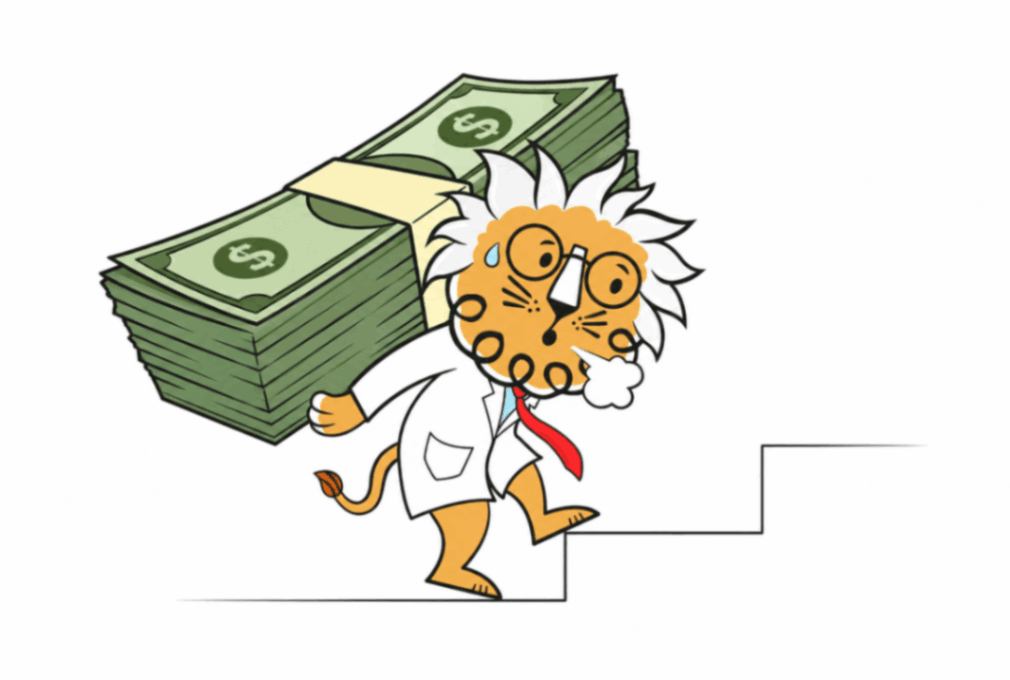
Most clients do not know this, and it is worth saying early: animation services are priced by the minute.
Two minutes costs double one minute. Three minutes costs triple.
Unlike filming a longer interview or adding slides to a presentation, animation requires original artwork and movement for every single second of screen time.
Which means a ten-minute animation is not just a longer video.
It is ten times the production investment of a 1-minute video.
Ten times the script complexity. Ten times the approval rounds. And, as the data below suggests, a fraction of the audience completion rate.
The irony is worth sitting with… spend half the money, get a shorter video, and reach more of your audience. But only if your organisation can agree on a clear message. That last part is where it usually gets difficult.
What the Research Says About Explainer Video Length
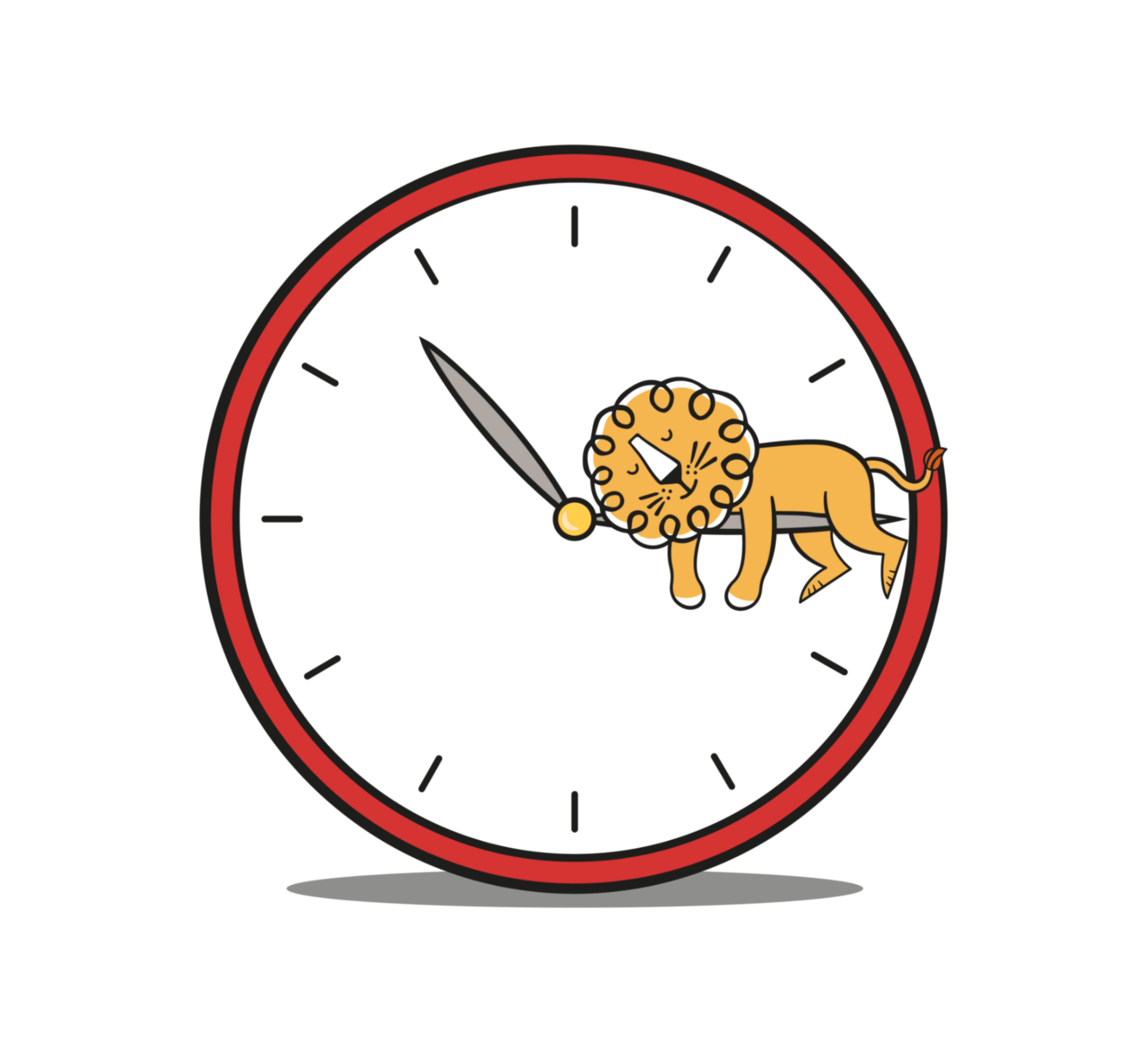
In 2004, Dr Gloria Mark at UC Irvine measured average screen attention spans at around two and a half minutes. By 2012 it was 75 seconds. Her 2023 research puts it at 47 seconds.

The 2012 explainer video boom happened when two to three minutes still made sense. Those formats worked because audiences had the patience for them. That era is over. The platforms changed. The phones changed. The habits changed.
According to Wyzowl's State of Video Marketing survey, 39% of marketers say videos of 30 to 60 seconds deliver the best ROI. Videos over three minutes: just 5%.

The Honest Answer: 30-60 Seconds Is Best, But 90 is Often the Realistic Compromise
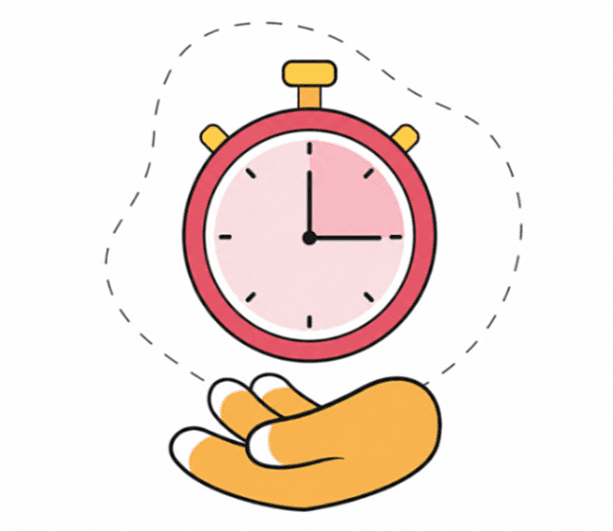
30 to 60 seconds is the genuine sweet spot, long enough to land a message, tight enough to force the clarity that makes a video work.
But getting a 45-second script signed off inside a large NHS trust or international NGO is genuinely hard.
Multiple stakeholders, legal reviews, competing priorities. By the time everyone has commented, the script is longer.
90 seconds is often the realistic outcome, not the ideal one. Still far more effective than five minutes, but worth fighting for the shorter version if you can get it signed off.
Why a Series of Short Animated Videos Outperforms One Long One

Ten minutes of essential material is not one video problem. It is a problem that merits a series of animated videos.
Five one-minute animations can each target a different audience, go into different channels, and do a specific job.
A beneficiary-facing charity animation does not need the same content as a policy-facing one.
We made a series of short animations for the British Heart Foundation on exactly this logic, consistent visual language, different messages, each one watchable in full.
A well-planned series will often come in at a comparable budget to one long video, while reaching considerably more of the right people.

When the Brief Asks for a Long Animation, the Problem Is Usually the Message

A request for a long video almost always signals that the message has not been agreed upon internally.
Different stakeholders, conflicting priorities, no one with authority to cut anything. The video becomes the document where the organisation tries to satisfy everyone at once.
That is a strategy problem. Animation cannot fix it.
The most effective nonprofit animations we have made share one thing: by the time the brief reached us, the hard decisions had already been made.
Everything else had been cut. The animation was the execution of a clear choice, not the place where choices were still being made.
Before you write the brief: if you removed half the content, which half would you keep? If that question is hard to answer, that is the work that needs doing first.
If you are working out what animation services are likely to cost, our nonprofit animation pricing guide covers the full range in plain terms.
A note on what we do with this.

When we receive a brief asking for a long video, we do not just quote for it.
We ask questions first. And we will always tell you honestly whether the length makes sense, even if that answer is not what you were hoping for.
If you have a brief, get in touch. We will come back with an honest assessment and a ballpark on cost.
Sources
Mark, G. (2023). Attention Span: A Groundbreaking Way to Restore Balance, Happiness and Productivity. Hanover Square Press. Research data also discussed in: Mills, K. & Mark, G. (February 2023). Why our attention spans are shrinking, with Gloria Mark, PhD. Speaking of Psychology — American Psychological Association. apa.org/news/podcasts/speaking-of-psychology/attention-spans
Wyzowl. (2024). The State of Video Marketing 2024. 967 respondents.
Wistia. (2025). How to choose the right marketing video length.