How to Choose an Animation Studio for Nonprofit or NHS Work
There is no shortage of advice online about how to choose an animation studio.
Check the portfolio. Read the reviews. Compare the quotes. Ask about their process.
Most of that advice was written for commercial briefs. Product launches. SaaS explainers. Brand campaigns.
Choosing an animation company when you work in a charity, an NHS trust, or an international NGO is a different exercise. The criteria that matter most are rarely the ones that make it onto the standard checklist.
Here is a more specific guide.

What the Showreel Tells You and What It Doesn't
Most people start by watching a studio's showreel.
We have one too, by the way, and we think it holds up.
But a showreel is a greatest hits compilation. On its own, it tells you what a studio can do at its best. It does not tell you how they work.
Visual quality is the bare minimum. The harder question is whether they can handle complex subject matter, multiple stakeholders, sensitive language, lengthy approval processes, bureaucratic procurement, and delayed payments.
These are the hallmarks of working with large NPOs, and not every studio is built for them.
What actually tells you this is the client list, the types of organisations they have worked with, and what those clients say about the experience, not just the finished product.
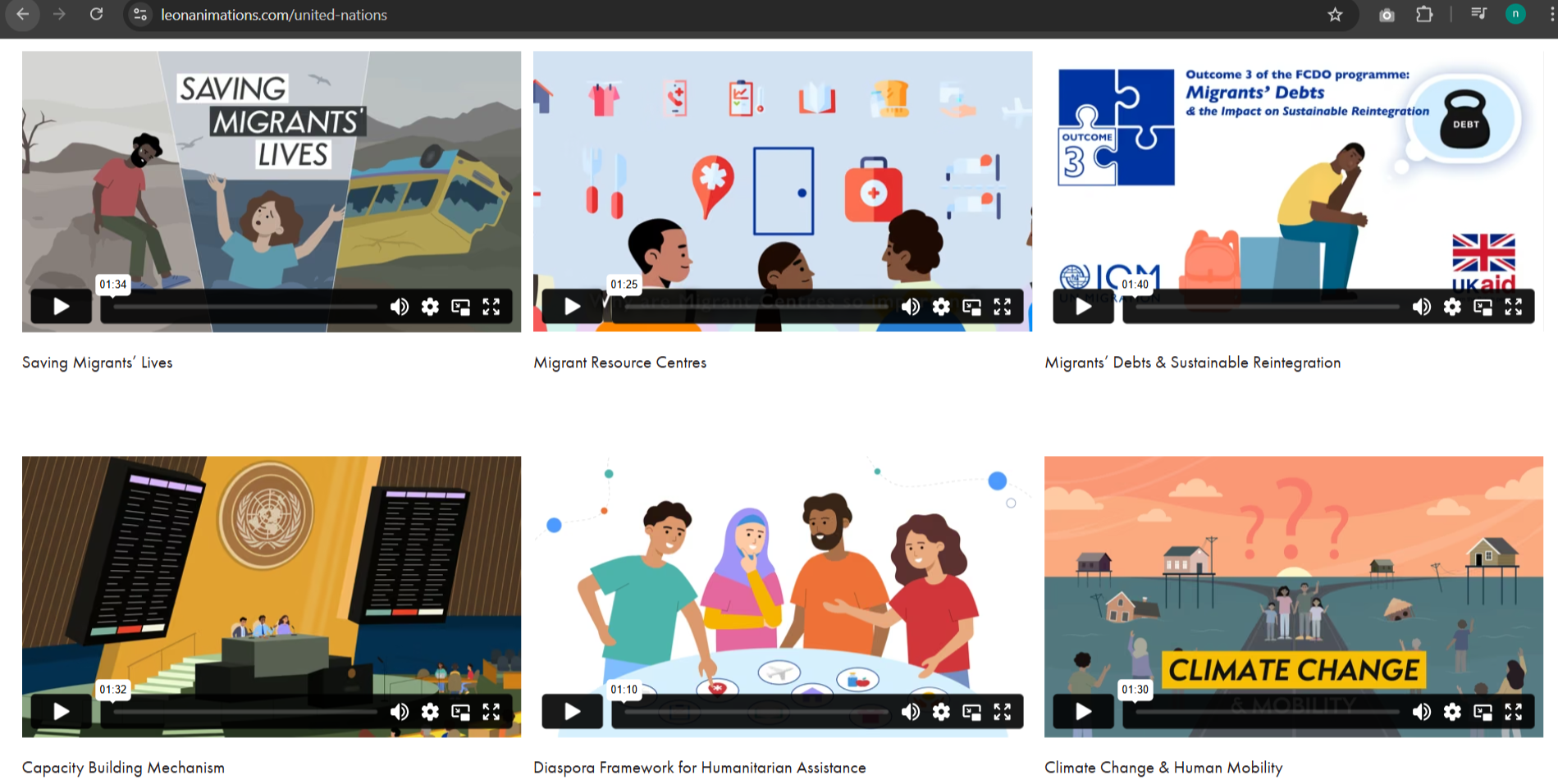
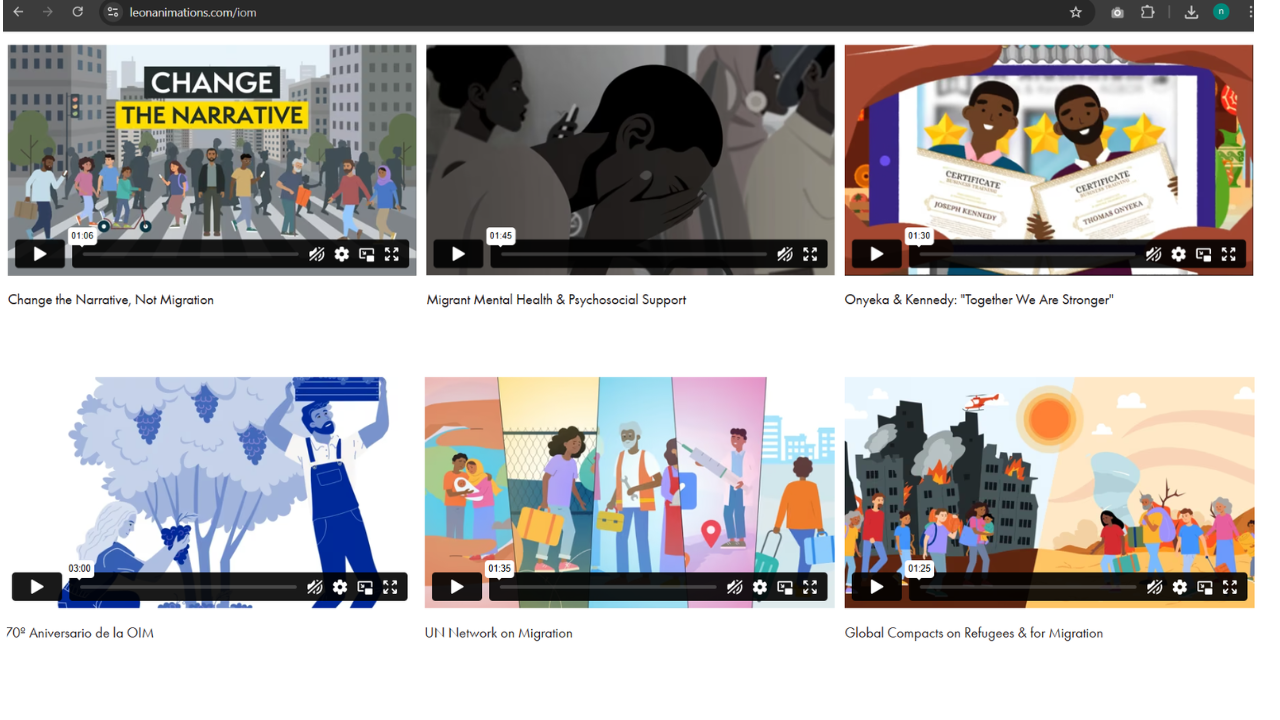
It is also worth looking at the portfolio critically rather than admiringly. Does the studio have work that is specifically similar to your brief? A good generalist animation company can produce a solid video for an NPO. The difference with a specialist studio is not night and day.
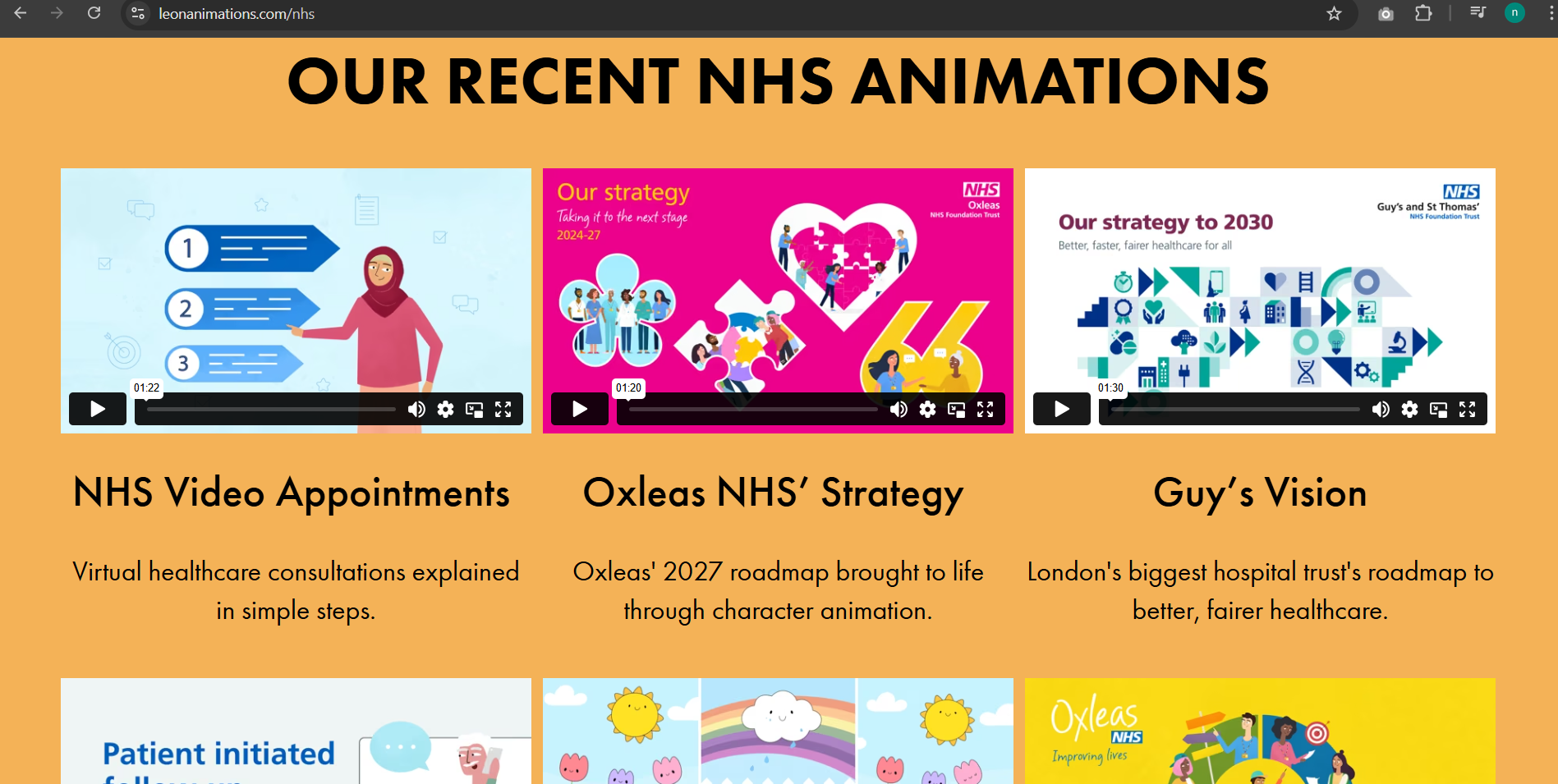
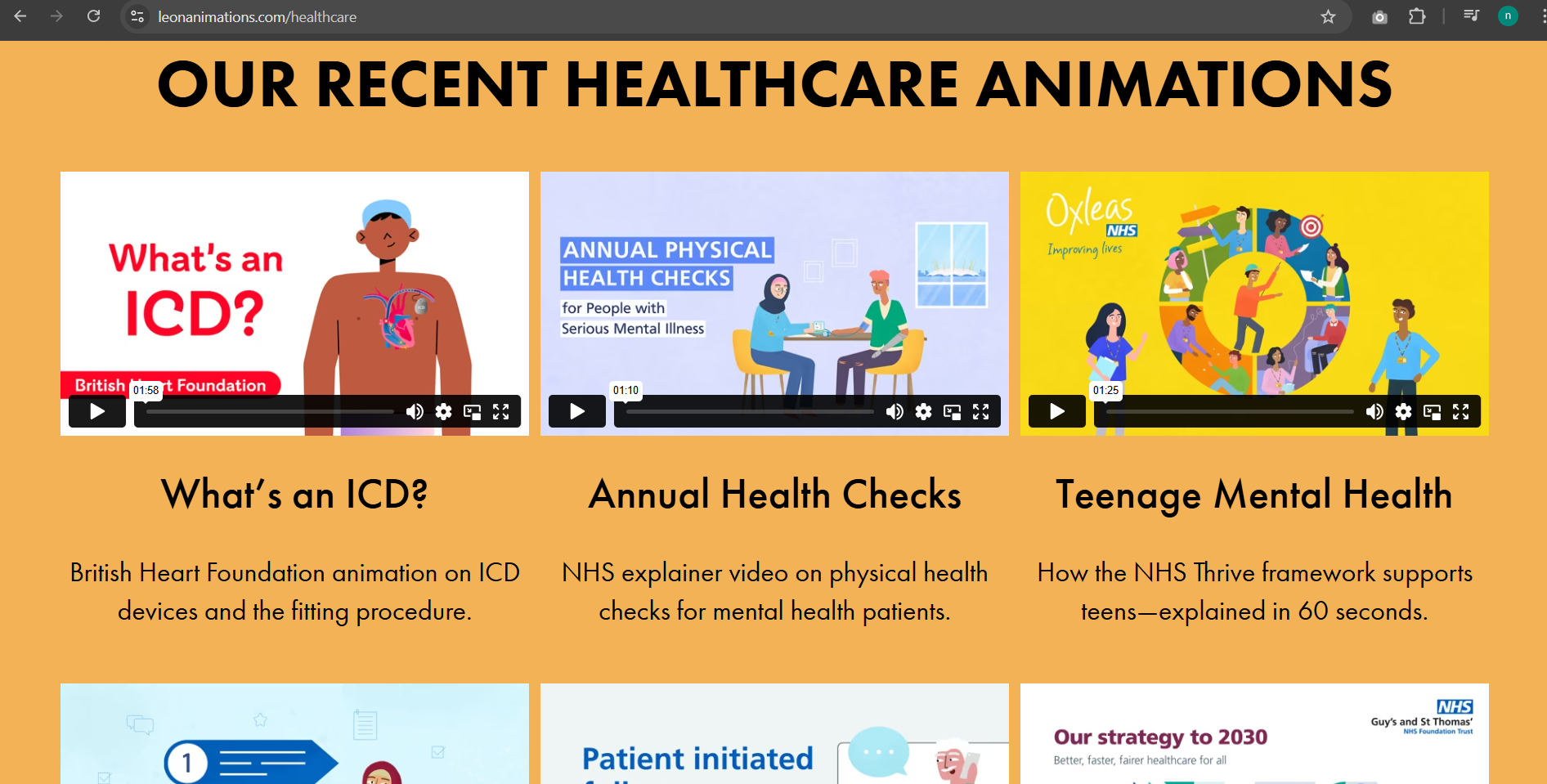
It is more specific: experience with research-heavy scripts, culturally sensitive characters, large approval chains, and an understanding that slow payments are just part of this world.
Those things add up over time.
They are not always visible in a showreel.
Can Your Animation Agency Handle the Bureaucracy?
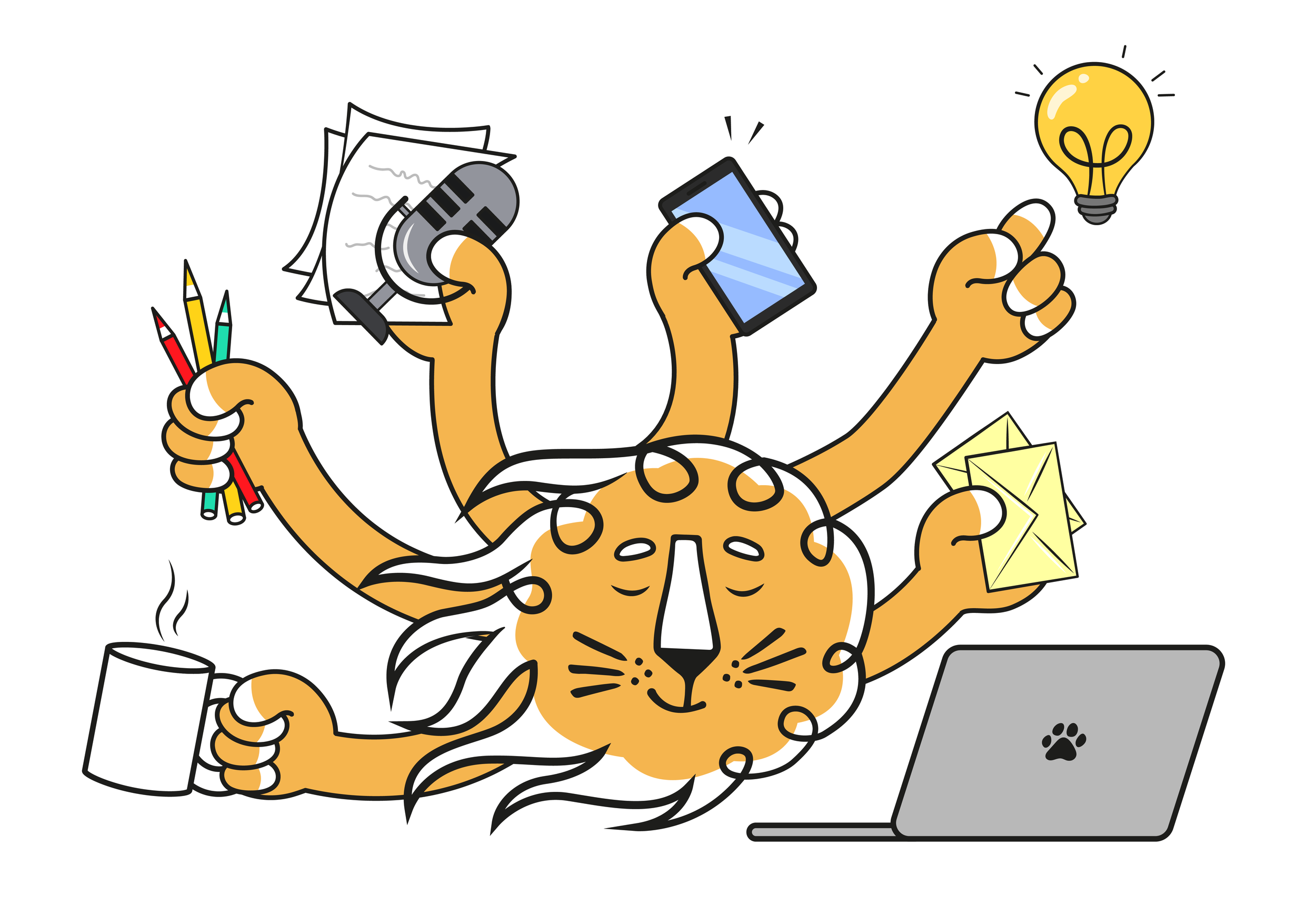
If you work in an NHS trust, a UN agency, or a large charity, getting anything signed off takes time. Multiple stakeholders. Legal review. Senior sign-off. Sometimes all of the above for just a 60-second script.
Most animation studios are not built for this. They expect quick decisions and weekly approvals.
When that does not happen, studios that are unused to this environment tend to panic. Or deprioritise the project. Or start charging for revision rounds that were never scoped.
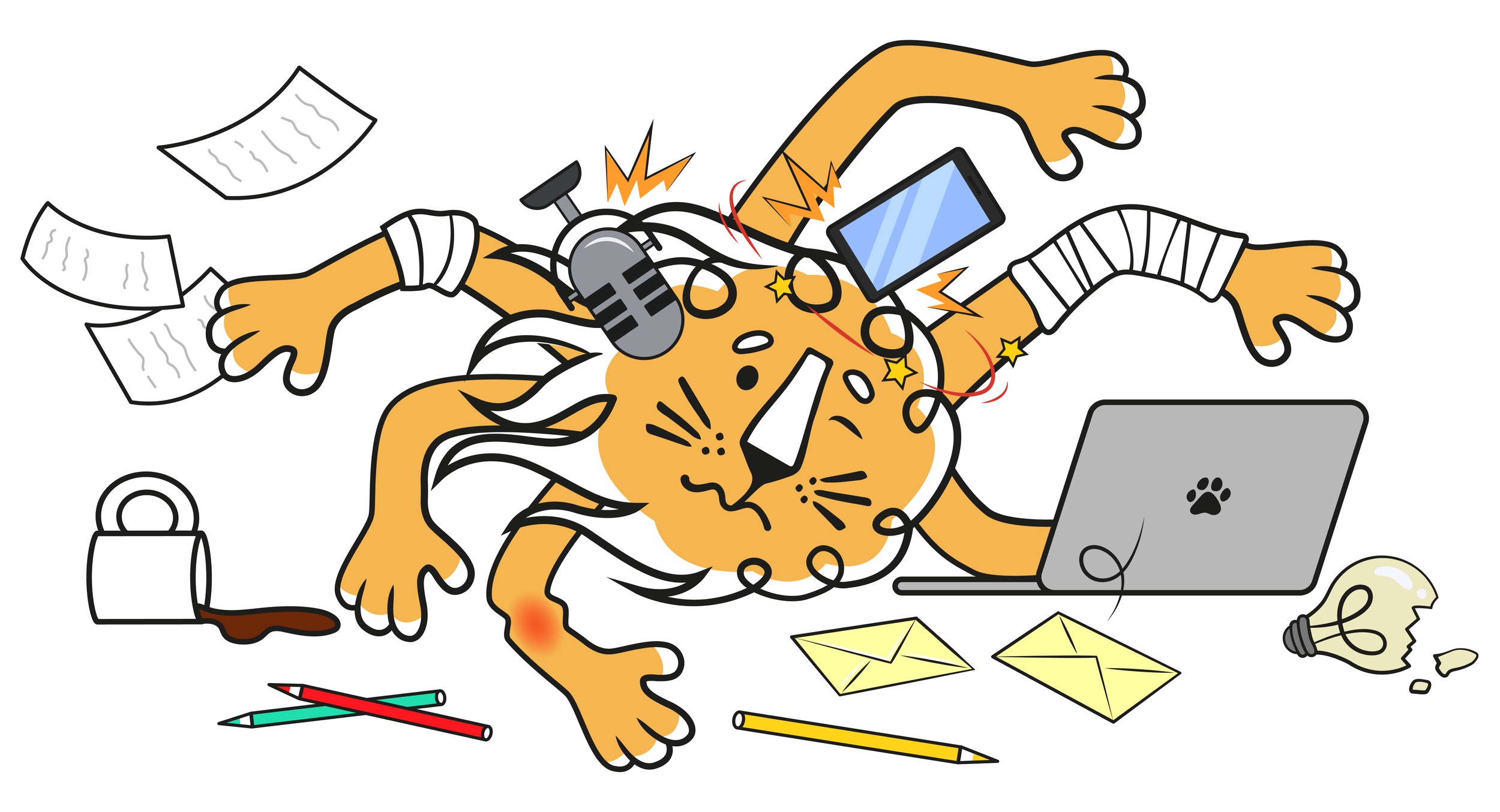
We have heard of technically strong studios withdrawing from NHS projects mid-pitch because they were not prepared for the procurement process.
The forms are not the obstacle. The forms are the job.
Before you choose an animation company, ask directly: what is the most bureaucratically complex client you have worked with, and how did you manage it?

Technical skill still matters. Character animation in particular is a specialist skill that not every studio does well, and for NPOs telling human-centred stories it is often essential. But skill alone does not tell you whether a studio can survive your approval process.
The showreel and the answer to that question, together, give you what you need.
Does the Studio Lead with the Script or the Visuals?

This is the single clearest indicator of how a studio thinks about its work.
Most animation agencies lead with style frames and visual concepts. The script gets a nod before everyone moves on to the fun part.
But animations thrive or die depending on their script.
Ask how a studio talks about the subjects they work on. Do they seem genuinely curious? Or are these just briefs to be delivered and invoiced?
Many animators are artists rather than intellectuals. That is fine up to a point. But for NPOs communicating complex ideas, you want a studio that finds as much interest in the subject matter as the illustration style.
Get the script wrong and nothing else can save the video. We have written about why the script matters more than most studios admit.
For NGOs and healthcare teams, this matters a lot. Mental health policy, migration statistics, clinical procedures, public health guidance: these are subjects that require someone to sit with the words carefully before a single illustration is sketched.
A studio that rushes to visuals because that is where they feel most comfortable will produce something that looks polished, but communicates nothing.
Ask how the studio approaches script development. Do they work on the message with you, or do they expect a finished script to arrive?
And crucially, are they willing to push back? A studio that agrees with everything at script stage is not being polite. It is being unhelpful.
First drafts from NPOs are often written for a committee, not a viewer. A good studio will tell you that.
Specialist 2D Animation Studio or Generalist?

Not every brief requires a specialist studio. A generalist animation company can do solid work on a straightforward brief with a short approval chain.
But sector experience starts to matter when your brief involves:
Subject matter that requires genuine sensitivity: mental health, migration, end-of-life care, medical procedures
Multiple stakeholders with different and sometimes conflicting views on what the video should say
An audience with varying literacy levels, across multiple languages and cultural contexts
Procurement requirements, supplier onboarding processes, or formal contracting that a small creative studio may not be set up for
In these situations, a studio without sector experience will learn on your project.
Which is fine, except you’re the one paying for the learning curve.
What to Check Before You Choose an Animation Company

Beyond the showreel and the quote, here is what is worth looking at closely.
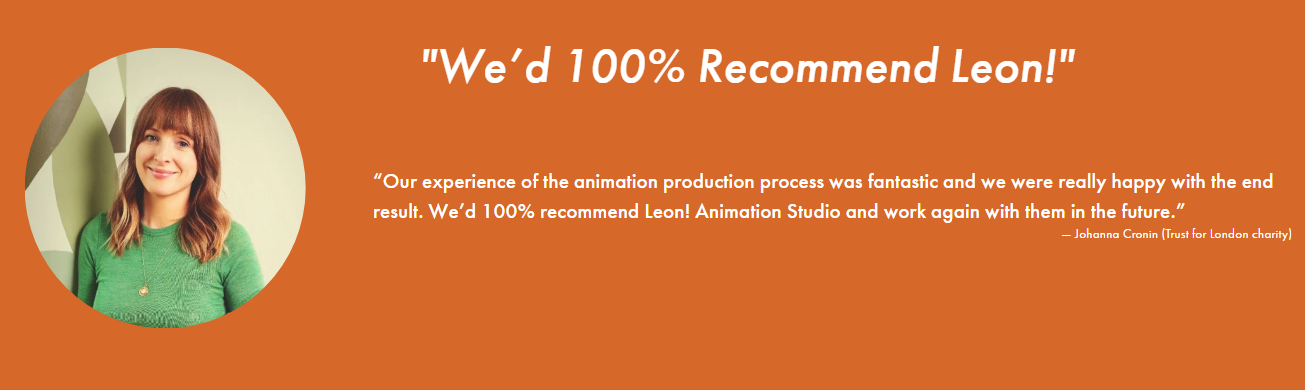
Client testimonials that mention the process, not just the output.
Any studio can find a client who liked the finished video. What you want to know is whether the client found the studio easy to work with when things got complicated.

Revision structure.
Two rounds at each stage is a reasonable standard. Find out before you start. A studio offering unlimited revisions usually does not have a clear process.
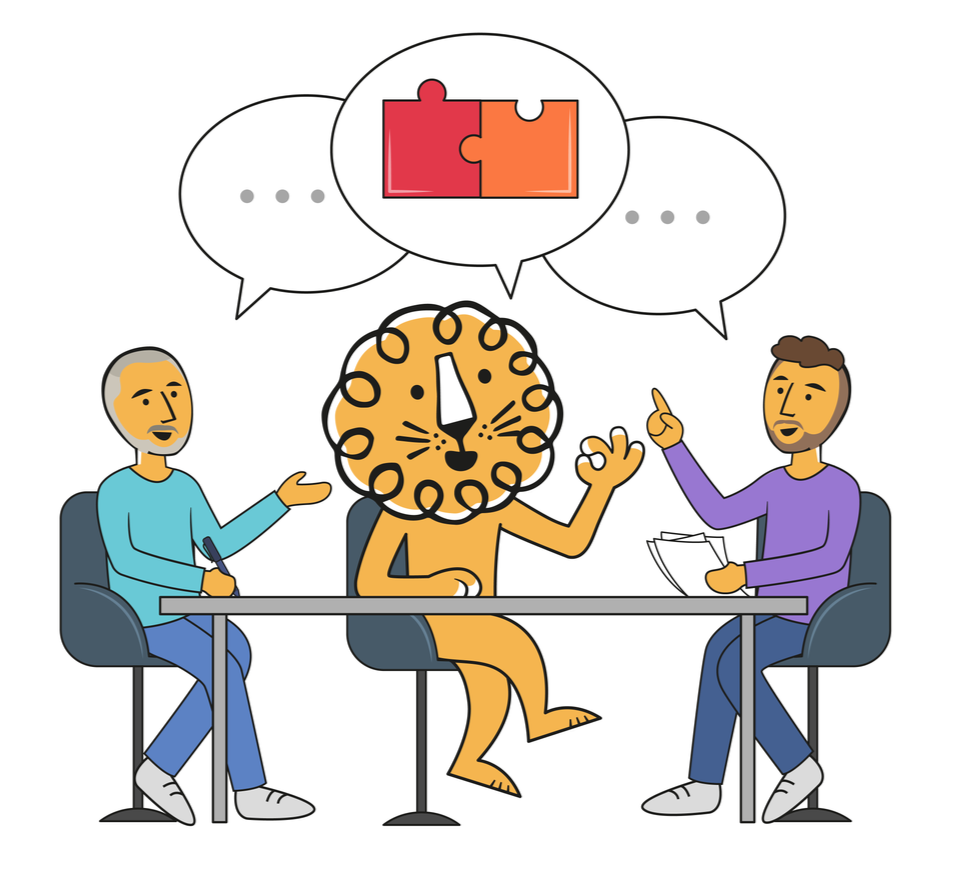
Who actually does the work.
Some studios outsource to whoever is available. Ask to see recent work from the specific team on your project. Consistency across multiple projects tells you more than one standout piece.
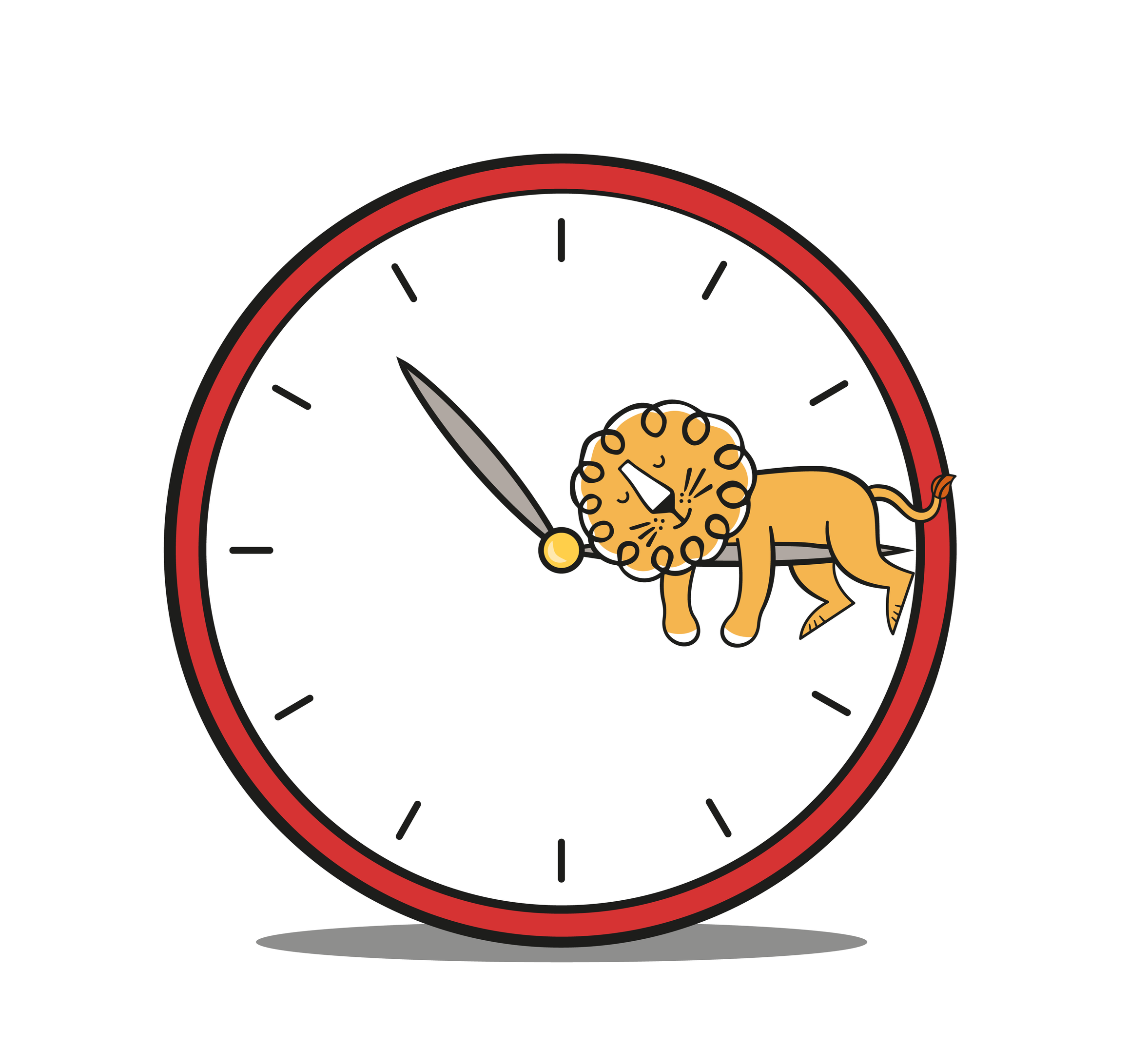
Timeline and what it includes.
Most professional 2D animation studios deliver a 60-second video in four to six weeks from script sign-off. Be clear on when the clock starts. Some begin from first contact, others from script approval.
The Honest Part: Not Every Organisation Needs an Animation Studio

An animation studio saying this might seem odd. But not every brief is right for animation.
If the message is not clear, if internal agreement has not been reached, if the budget does not allow for a proper production, commissioning an animation is unlikely to solve the problem.
We have written about this more directly here, but the short version is: animation amplifies a clear message. It does not create one.
A studio that is willing to tell you this, rather than take the brief regardless, is probably one worth working with.
If you are still working out what professional animation services typically include and how to compare quotes properly, this breakdown is worth reading first.
If you want to understand how a project actually runs from brief to finished video, Inside a 2D Animation Studio covers each stage in detail.
And if you have a brief and want an honest conversation about whether we are the right fit, get in touch.