2D vs 3D Animation for Charity Campaigns: Which Works Best?
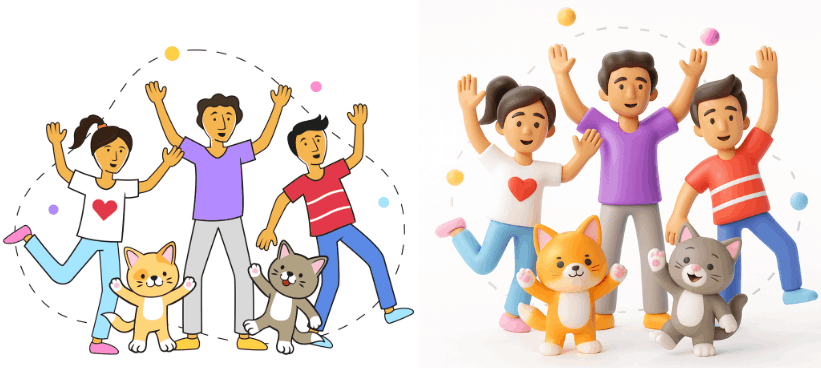
Walk into any animation studio pitch meeting and someone will inevitably ask: "Could we do this in 3D?"
It's a fair question. 3D animation looks slick, modern, and polished. But here's what we've learned after years of creating charity videos, healthcare animations, and nonprofit campaigns: the right tool depends entirely on what you're trying to achieve.
For human-centered storytelling (the kind that asks people to care, connect, and understand), 2D animation consistently delivers better results.
Let us explain why.
Why 2D Animation Builds Empathy in Charity Videos
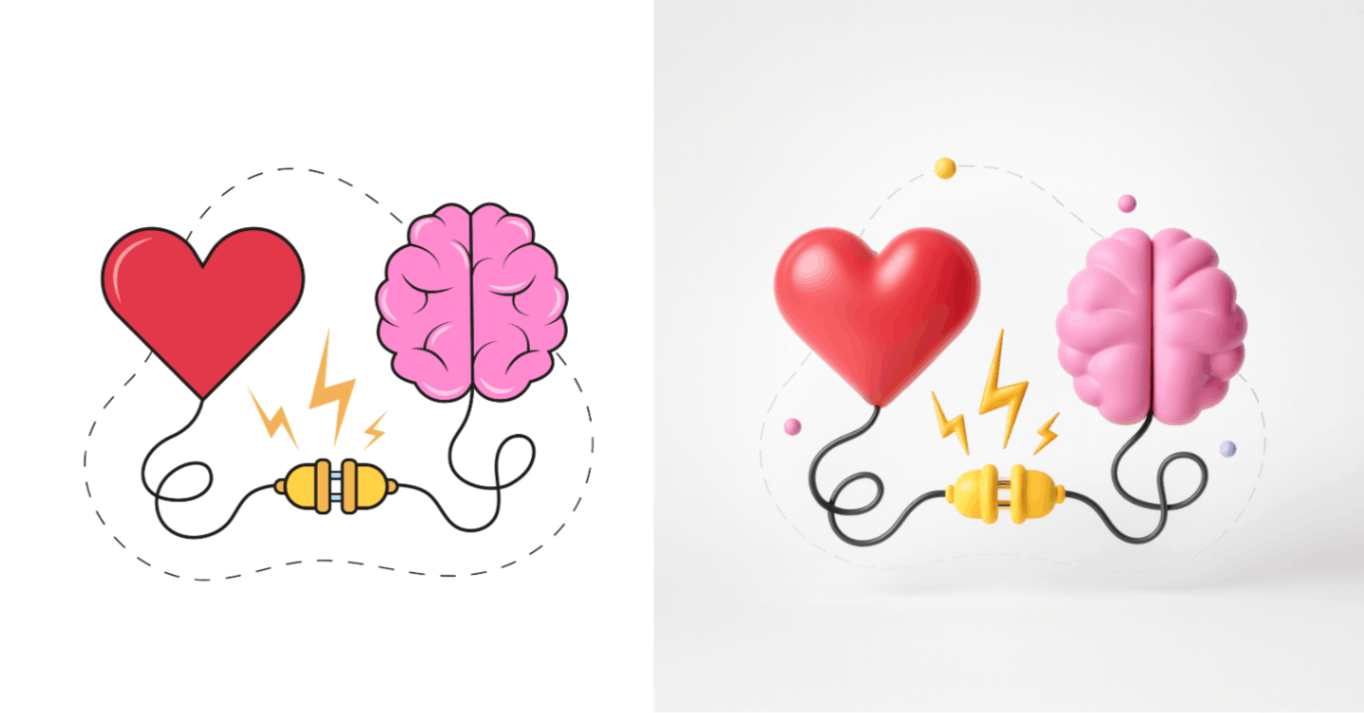
When you're asking someone to care about a refugee crisis, a mental health struggle, or a life-saving medical procedure, you need characters that feel approachable and authentic
3D characters can be stunning, but they often live in what animators call "the uncanny valley." That uncomfortable space where something looks almost human, but not quite. And that "not quite" feeling can create distance between your audience and your message.
2D animation sidesteps this entirely. Flat, stylised characters don't pretend to be real people. They represent them. And that's a crucial difference when you're trying to build empathy.
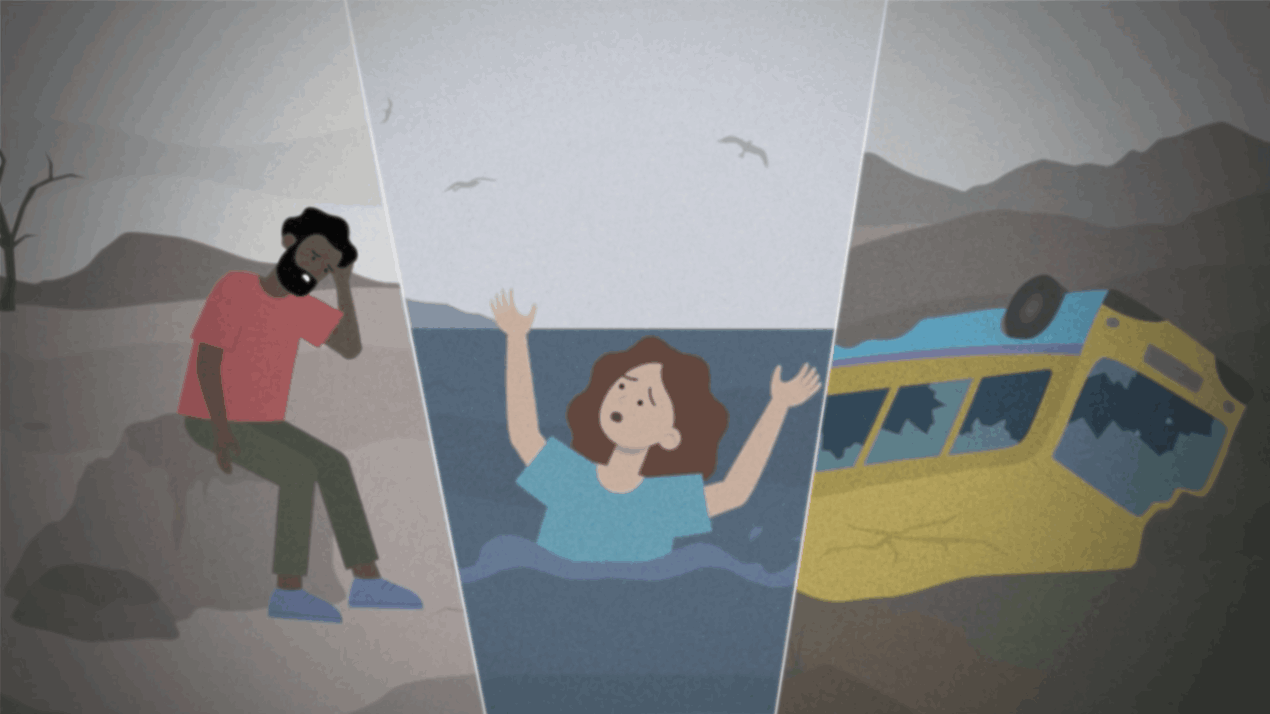
Our animation company worked with the UN Network on Migration on their "Saving Migrants' Lives" campaign. The project addresses a silent humanitarian crisis: since 2014, nearly 70,000 migrants have died or gone missing along migration routes.

When you're communicating something this grave, the last thing you want is for viewers to feel disconnected by overly-polished CGI characters. The 2D approach let viewers focus on the human tragedy and the life-saving solutions, not the animation technique.
2D Animation Accessibility for Nonprofit Audiences

Here's something worth considering: 3D animation can be visually overwhelming.
All those camera movements, depth effects, and detailed textures look impressive for about 30 seconds. But if you're trying to communicate something important, all that visual noise can actually get in the way.
2D animation is visually restful. It's easier to process, especially for audiences who might be older, neurodivergent, or watching on small screens with dodgy wifi.
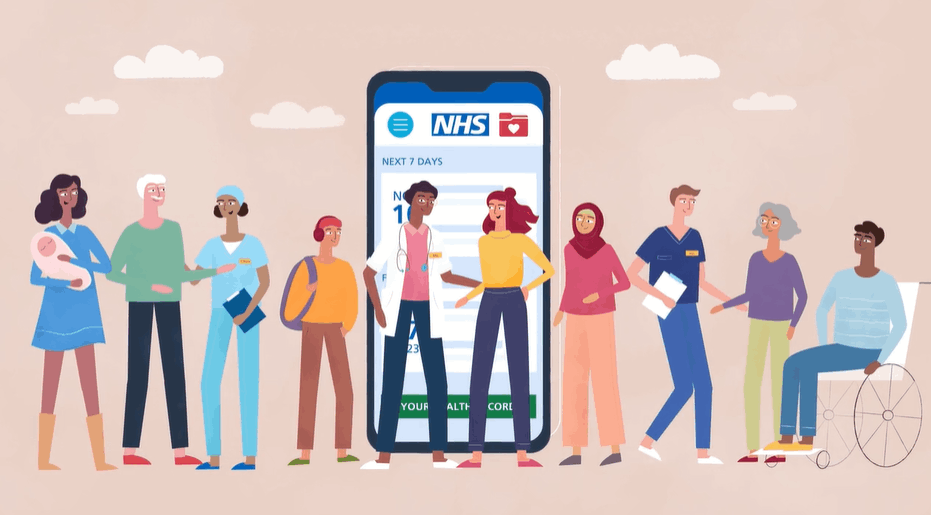
When we created healthcare animations for Guy & St Thomas' NHS Trust, we knew the audience wasn't sitting in a cinema with surround sound. They were tired patients scrolling on their phones in waiting rooms. Clear, simple 2D visuals helped 300,000+ people register for their MyChart app in six months.
Accessibility might not be flashy, but it's essential. And 2D excels here.
2D vs 3D Animation: Budget and Timeline for Charities

Let's talk practicalities.
3D animation requires more time and bigger budgets. For charities and nonprofits working with limited resources (which is almost all of them), those extra weeks and thousands matter.
Our 2D animation studio can turn around a 60-second explainer video in four weeks. A 3D production? You're looking at double that, minimum. Plus significantly higher costs for modelling, rigging, rendering, and revisions.

And here's the thing: most human-centered campaigns don't actually need 3D. Our work with the UN Migration agency on their iDiaspora campaign helped them surpass their target of 1,500 members and reach close to 2,000 users. No fancy 3D rendering required. Just clear 2D storytelling that connected with people.
How 2D Animation Creates Universal Characters for Global Campaigns
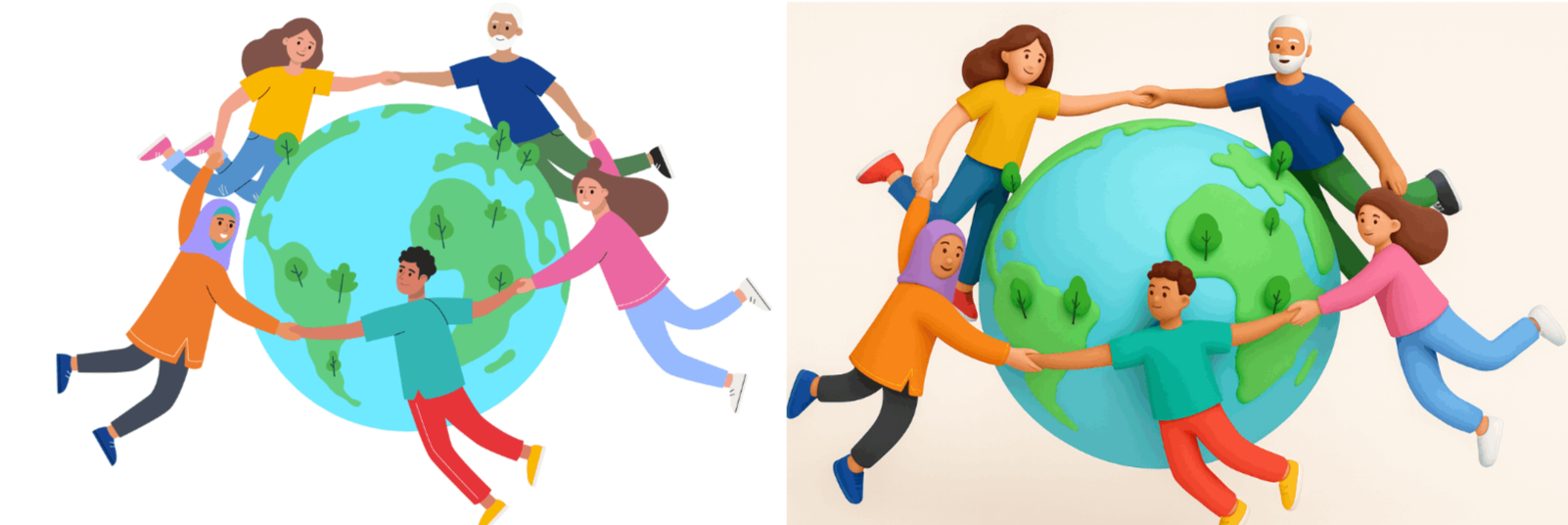
One of 2D's genuine strengths is its ability to represent everyone without representing someone specific.
When you're creating nonprofit videos about sensitive topics (poverty, illness, displacement), you need characters that feel authentic without looking like real individuals. 2D stylisation achieves this beautifully through simplified, representative designs.
We've produced charity explainer videos in English, Spanish, French, Italian, Russian, Chinese, and Arabic. The same 2D character designs work across cultures because they're not trying to replicate reality. They're distilling it down to something universal.
3D characters, by their nature, require specific facial features, skin tones, and body types. This level of detail can sometimes unintentionally exclude parts of your audience, even when that's the last thing you want.
When to Choose 3D Animation Over 2D (And When Not To)

Right, let's be clear: we're not anti-3D. It's a brilliant medium when used appropriately.
Here's the distinction that matters: 3D excels when you need photorealistic precision and spatial depth. 2D excels at explaining concepts and ideas for general audiences.
3D shines in contexts where realism matters: training medical students to understand anatomical structures, simulating engineering systems, or demonstrating how products work with precise detail. If your audience needs to see exactly how something looks or moves in three-dimensional space, 3D is your tool.
But here's where it gets interesting. Ever noticed how kids' shows like Paw Patrol or Bing use fancy 3D animation for action and storytelling, but switch to simple 2D whenever they need to explain something difficult?

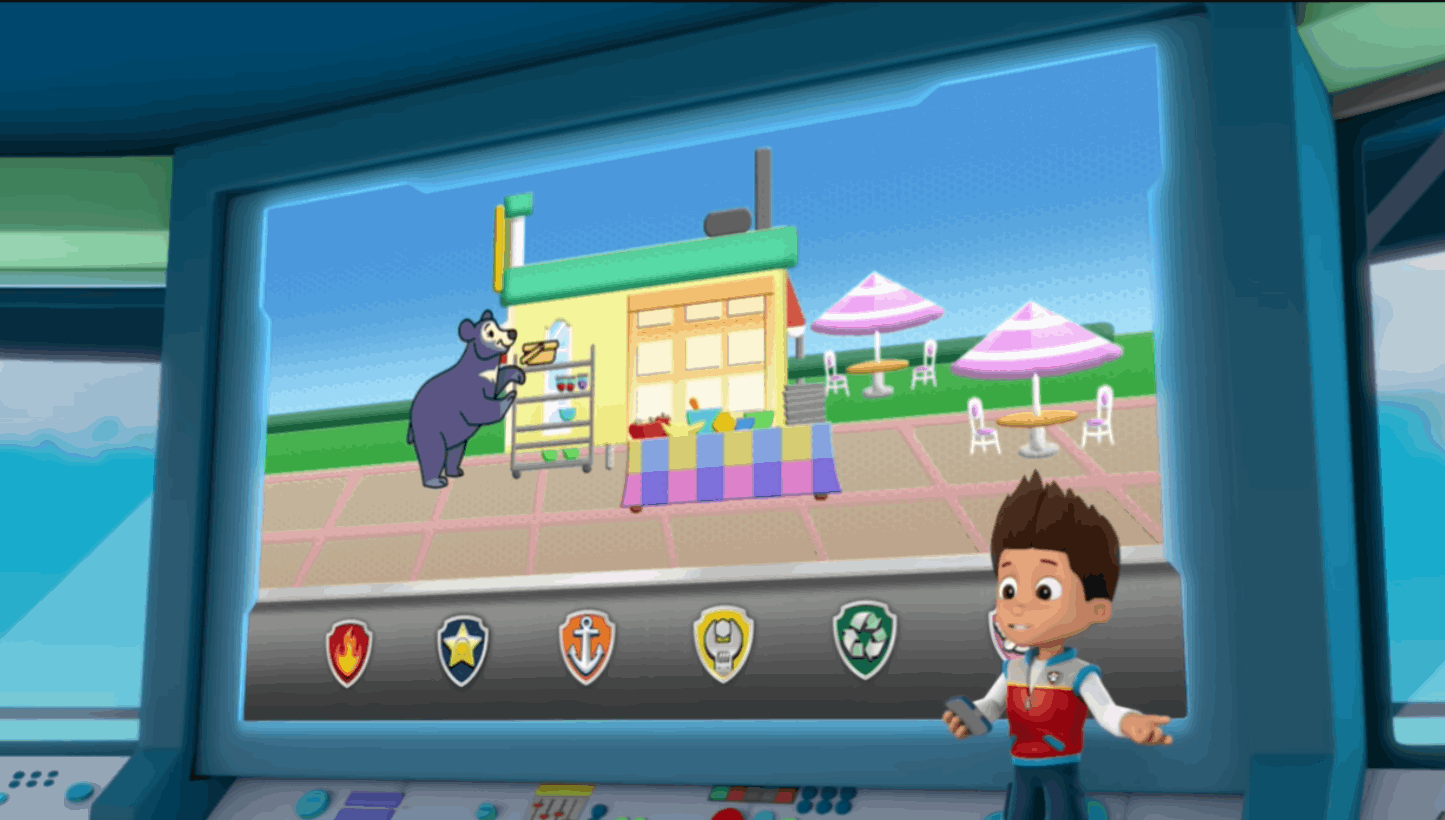
Mission briefings. Problem summaries. "Here's what we learned today" wrap-ups. All 2D. That's not a budget decision or a stylistic choice. It's because flat, simplified graphics communicate information more clearly than complex 3D scenes. Your brain can focus on the idea, not the visual complexity.
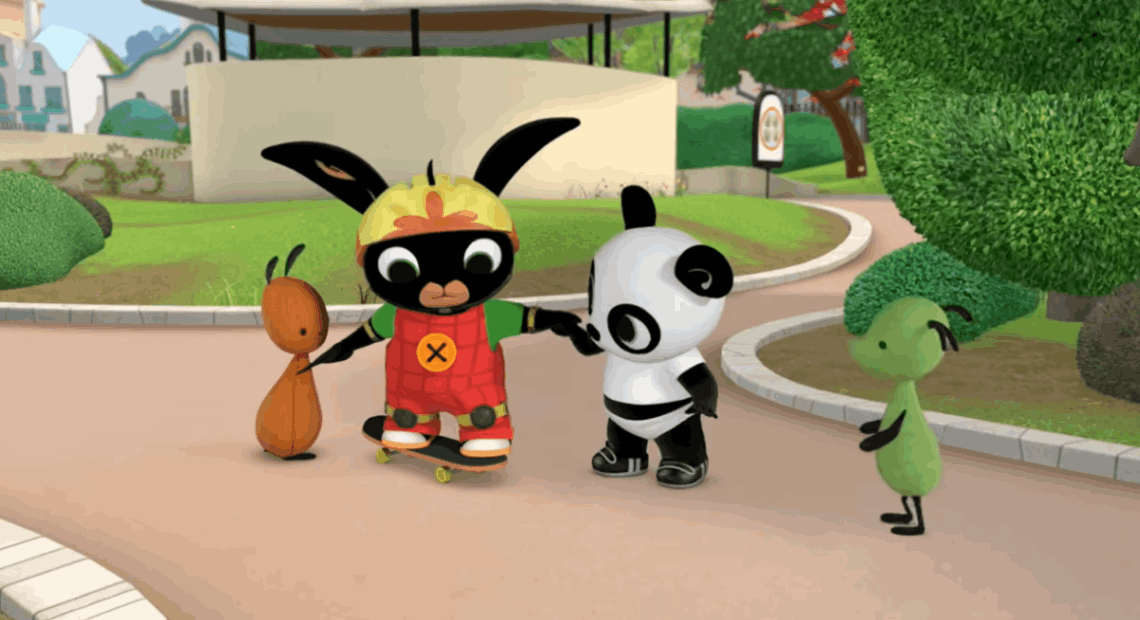
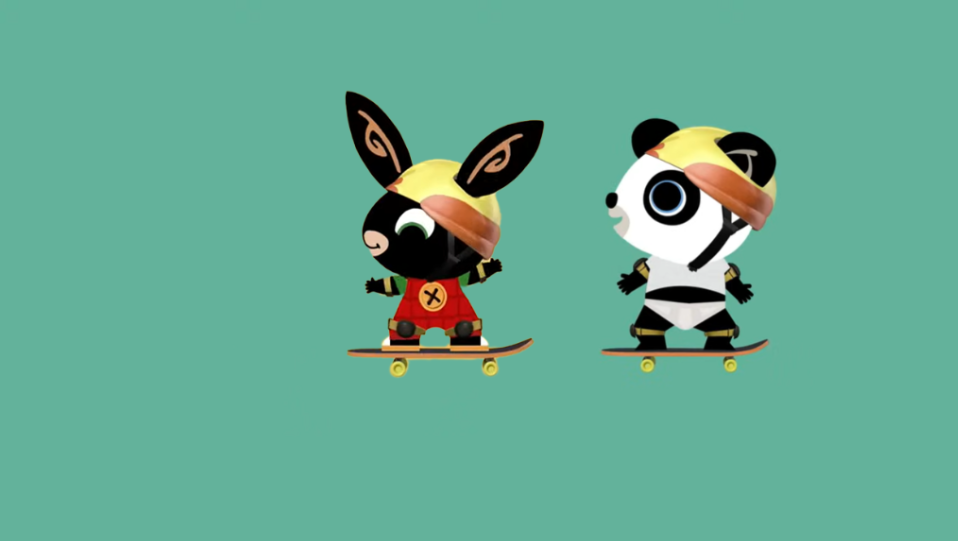
The same principle applies to charity and nonprofit work. When you're creating explainer videos, educational content, marketing animations, or social media ads for general audiences, 2D works beautifully. You're not training medical students on anatomical precision. You're helping patients understand how to access healthcare, or explaining a charity's mission, or breaking down a complex social issue.
Our explainer video agency gets asked about 3D regularly, and our response is always the same: "What are you trying to make people feel, and what do you need them to understand?"
If your audience needs photorealistic precision (medical student training, technical simulations, detailed product mechanics), 3D might be your answer. If you're explaining concepts to general audiences who need to understand and take action, 2D wins.
For most human-centered campaigns, clarity beats realism every time.
2D Animation Results: Real Impact for Nonprofits
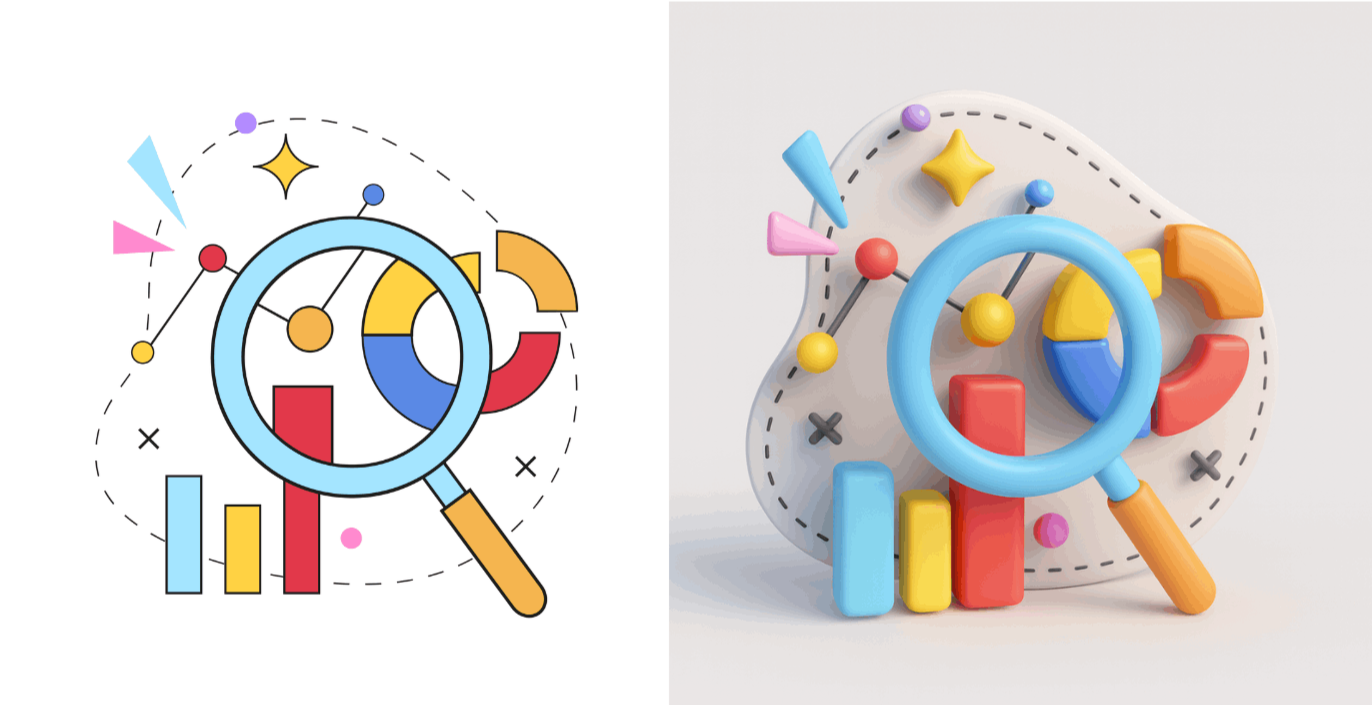
The best nonprofit videos don't try to dazzle you with technical wizardry. They make you care. And caring requires clarity, not complexity.
When Josef-Israel (one of our voiceover artists) was nominated for a One Voice Award for narrating our mental health animation for IOM, it wasn't because of groundbreaking visual effects. It was because the 2D visuals supported the story without getting in the way.
Our work speaks for itself: our 2D healthcare animations helped Guy & St Thomas' NHS Trust's MyChart app campaign register 300,000+ users in six months. Our 2D animation for the UN Migration agency's iDiaspora campaign helped them surpass their target of 1,500 members and reach close to 2,000 users. These results happened because the animations were clear and accessible.
The animation served the message, not the other way around.
Matching Medium to Message
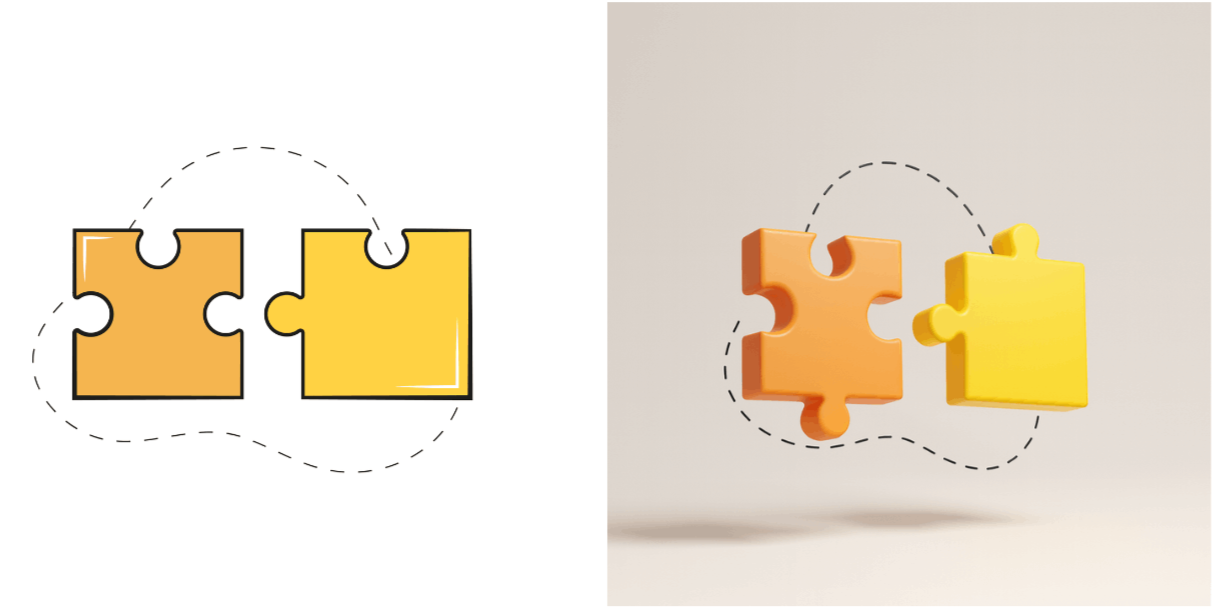
At Leon! Animations, we've always believed that simple is beautiful.
This isn't about one style being objectively better than another. It's about choosing the right tool for the job.
3D animation has its place and does certain things brilliantly. But for human-centered campaigns (where the goal is connection, understanding, and inspiring action around social causes), 2D animation's clarity and accessibility consistently deliver better results.
If you're a charity, hospital, or NGO trying to decide which approach fits your message, ask yourself:
Do you need photorealistic precision for specialised training, and have the budget for it? (Medical students learning anatomy, engineering simulations, detailed product mechanics) 3D might be perfect. But remember: 3D costs significantly more and takes twice as long to produce.
Are you creating explainer videos or educational content for general audiences? (Patient information, charity campaigns, social issues, healthcare access) 2D is probably your answer. It's clearer, faster, and more affordable for most nonprofits.
The medium should always serve the message, not overshadow it.
Want to know more about how our 2D animation service approaches charity work specifically? Read our guide on why you should choose a specialist charity 2D animation studio.
Or check out our healthcare explainer animations to see how we've helped NHS trusts and hospitals communicate clearly with their communities.