Medical Animation for Clinical Research: Dorothy House ENRICH
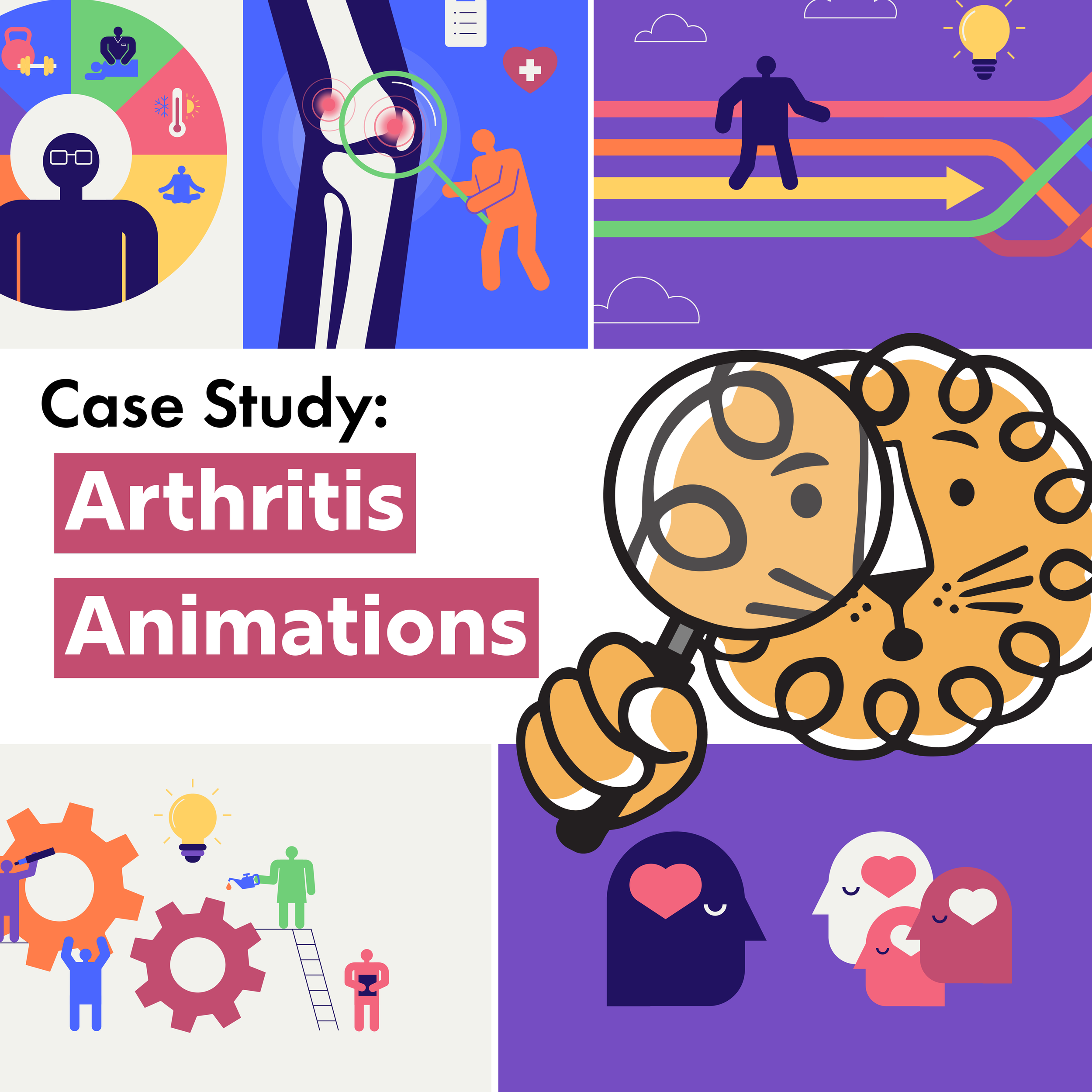
The Problem: Google "inflammatory arthritis animation" and Get Nothing
Here's a fun fact we stumbled into while scoping this medical animation project: there are approximately zero decent animated explainers for inflammatory arthritis as a whole condition. We know because we looked. Properly looked.
Quick context if you're new here: we're Leon!, a small remote animation studio (some call us an animation agency, we just call it home) specialising in charity animation, healthcare animation and nonprofit animation - complicated, important explaining, on a budget that isn't corporate-sized. We've made charity explainer videos and healthcare animations for NGOs, NHS trusts and research bodies, and, this time, a hospice-run clinical trial.
Plenty of 2D animation studios have tackled rheumatoid arthritis on its own - fair enough, it's the most common one. But "inflammatory arthritis" as an umbrella term - covering rheumatoid arthritis, juvenile idiopathic arthritis, psoriatic arthritis and axial spondyloarthritis - had nothing. We even checked the flagship video from the project's own funder, Arthritis UK, hoping we could just point people at that instead and save everyone some money. Nope. RA only. Didn't fit.
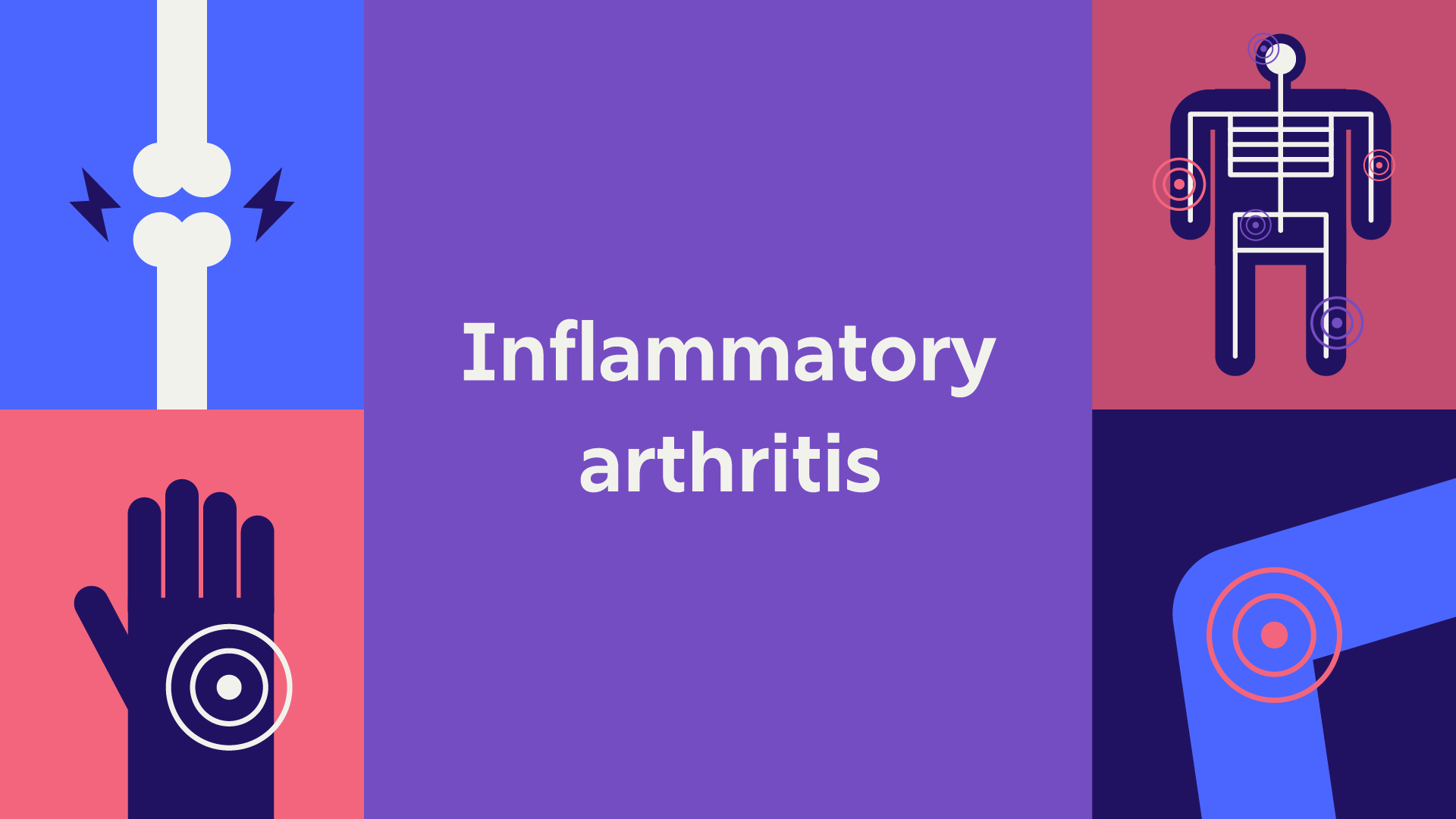
So when Dorothy House Hospice Care's research team came to us needing exactly this explained - clearly, accurately, to both patients and clinicians - they weren't refining an existing idea. They were starting from a completely blank page. Which is either terrifying or the fun part, depending on your temperament. Ours, apparently, is the latter.
And this particular blank page had a formal clinical trial registry number stapled to it (NCT07491939), so "just wing it" wasn't really on the table.
Why Did This Project Actually Matter?
This wasn't a nice-to-have marketing video destined to live quietly on a "News" page nobody visits. It was infrastructure for a live, multi-site clinical study.
ENRICH (Palliative and Supportive Care to Help People With Arthritis to Live Well) is recruiting participants across multiple hospice sites, including Dorothy House and St Oswald's Hospice, to figure out why people with inflammatory arthritis get significantly worse access to supportive and palliative care than people with cancer or heart failure.
Three short videos were written into the study's own objectives as a named deliverable - not a "wouldn't it be nice" add-on, but something the research literally depended on to keep messaging consistent across every site.

That's the difference between medical animation and regular explainer video work, in a nutshell. These videos had to survive scrutiny from rheumatologists, GPs and palliative care specialists, work identically no matter which hospice was showing it, and hold up as part of an actual registered study protocol - not just look nice on Instagram.
Before anyone could take part in the study, they first needed to actually understand what supportive care and palliative care meant for their specific condition. The research team, led by Dr Sharon Grieve and Professor Candy McCabe, had already had a go at writing this themselves - genuinely valuable clinical insight, but not yet something you could narrate in ninety seconds without a rheumatologist wincing.
That's usually how it goes with charities and research bodies: the story is already there, buried under years of clinical language and committee edits. Our job wasn't to invent a narrative. It was to dig theirs out and say it clearly, without losing a single ounce of accuracy along the way.

What We Built: Three Medical Animation Videos
Three medical explainer videos, each doing a specific, deliberate job within the study:
Understanding Supportive & Palliative Care - a patient education video explaining both types of care with the clarity and warmth the topic deserves
What is Inflammatory Arthritis? - a standalone explainer that quietly fills a gap nobody else had bothered to fill
A staff-facing intro - a short addition giving healthcare professionals clinical context before they complete the study survey
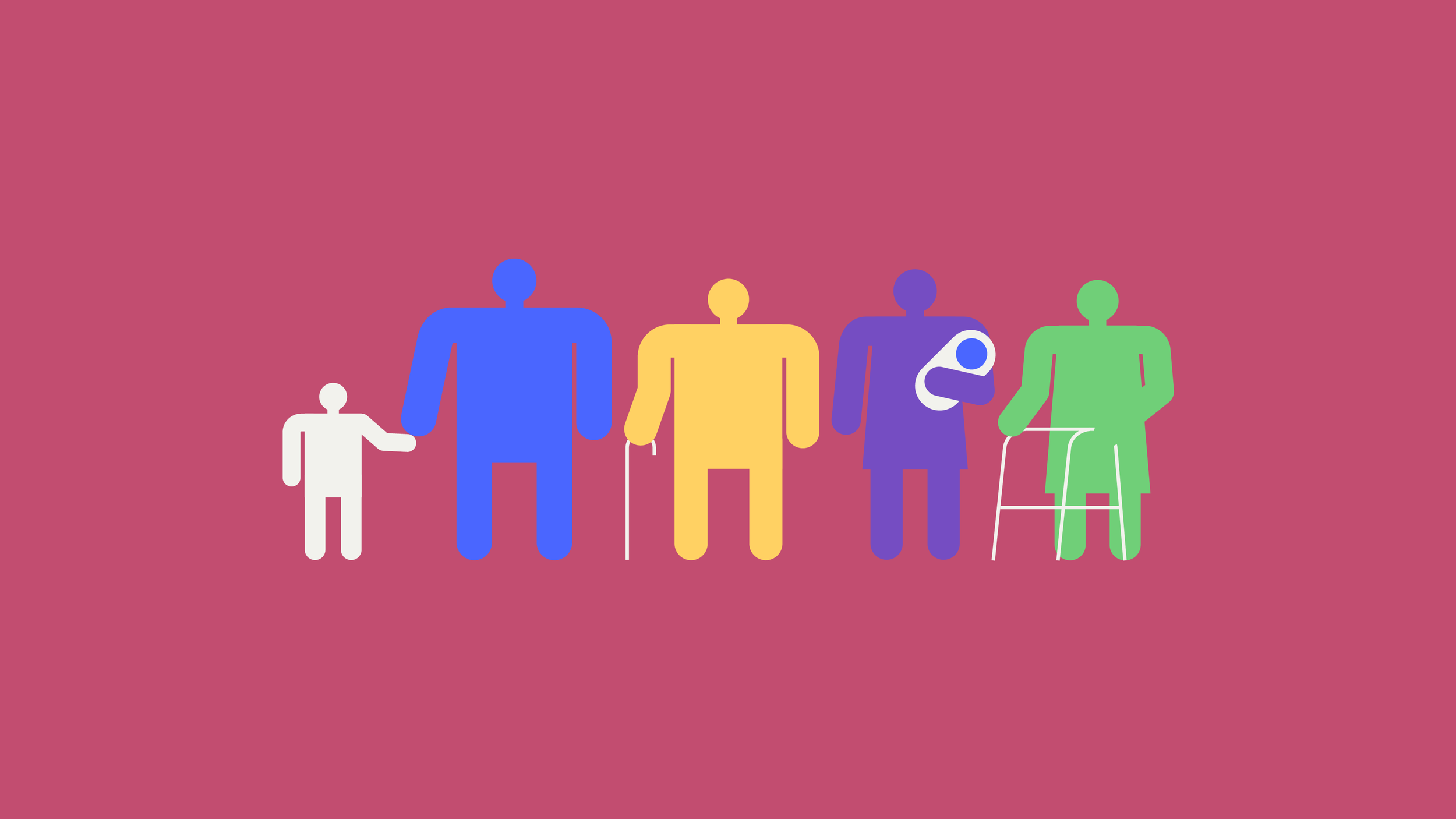
Like most good healthcare animation, all three share Dorothy House's minimalist, geometric illustration style, deliberately age-neutral and gender-neutral throughout. That mattered here more than usual - arthritis explainers have a nasty habit of defaulting to elderly stock-photo patients, when the people this study is recruiting can be anyone over 18. We made sure nobody watching feels like the video simply isn't about them.
Our Medical Animation Process (Or: Yes, We're Animation Nerds)
Scripting for Clinical Accuracy
Turning a clinical brain-dump into a tight, ninety-second script that a rheumatologist would actually sign off on takes proper back-and-forth. Multiple drafts. Each one timed against a voiceover read, checked line by line by the actual research team, until the wording was both scientifically bulletproof and easy enough to follow without a medical degree.
We're not going to pretend that's instant. It isn't. But every line in the final scripts had been read, queried, and approved by people whose actual job is knowing when something's wrong. That's not a bug in the process - that's the whole point of it. Get the words right and the animation looks after itself. Get them wrong, and no amount of nice illustration saves you.
Solving the Autoimmune Visual Problem
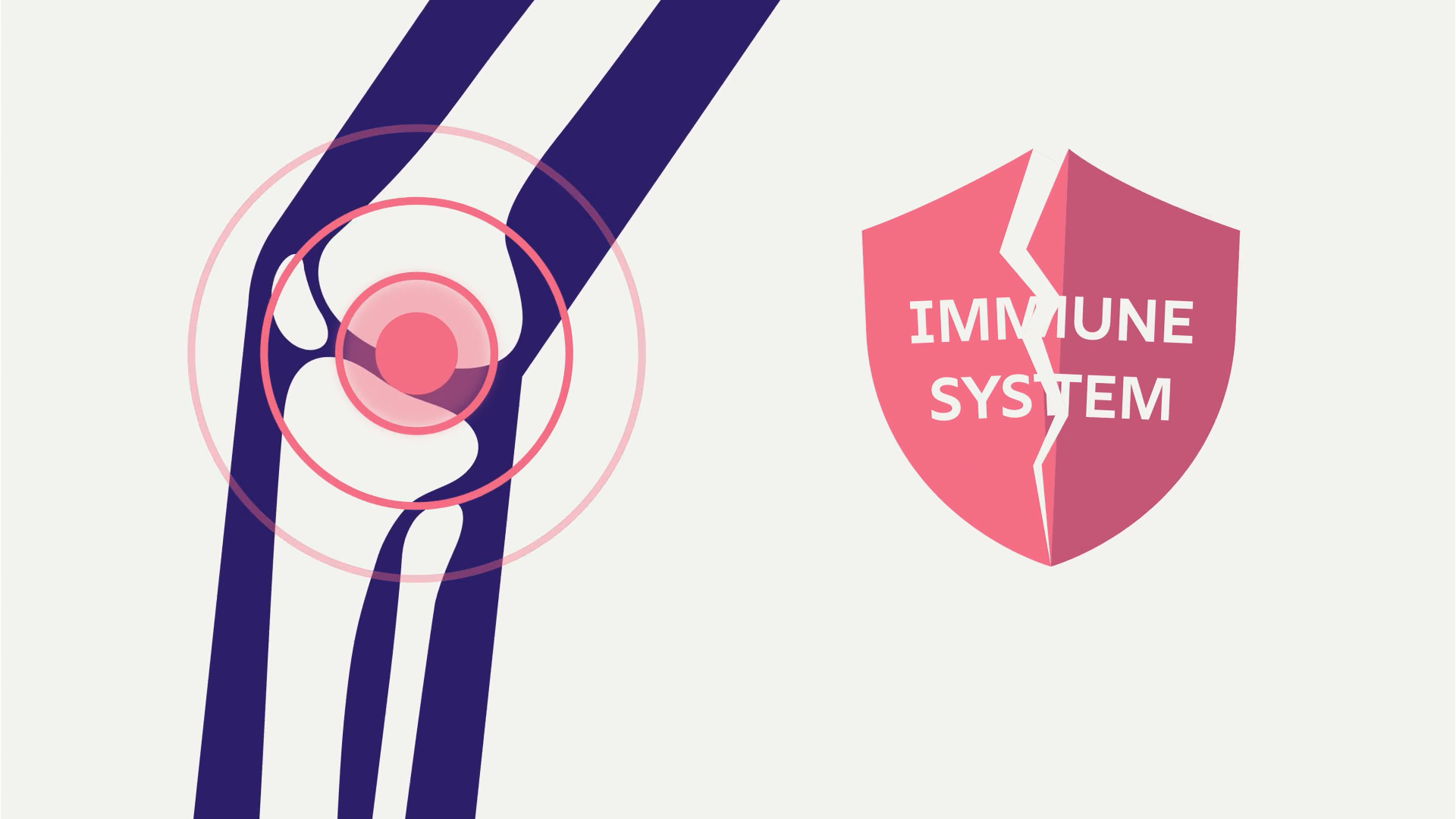
The visuals got the same treatment. Case in point: explaining an autoimmune condition visually is a genuinely tricky brief, because any image of the body under "attack" tends to just look like an infection - flu, a virus, something you catch rather than something your own immune system is doing to itself.
Yes, we're animation nerds who agonised over this one. We landed on a simple shield icon, labelled "immune system," breaking apart with arrows turning inward. Clear. Accurate. Signed off by two actual rheumatologists, which is a sentence we don't get to say often.
A Mid-Project Rebrand
Partway through production, Dorothy House quietly refreshed their entire brand identity - new logo, new colours, new fonts - and asked for it to be worked into all three videos while they were already mid-build. Fun fact: rebranding mid-project is basically the animation studio equivalent of being asked to change a tyre while the car's still driving. We rebuilt the icon sets and colour treatments to match, without delaying the agreed schedule.
Casting the Voiceover
Narration across all three videos came from voice artist Charlotte Russell, chosen by Dorothy House's Project Management Group after a shortlist vote among nine professional reads - which, if you've never sat through nine strangers reading the same ninety seconds about palliative care, is a more interesting afternoon than it sounds. Charlotte specialises in e-learning and healthcare work, and it shows: warm, clear, credible, and not once did she sound like she was reading a leaflet.
Built for an Audience That Actually Checks Its Homework
Here's what makes this one a proper showcase for medical animation rather than just "a video for a charity": look at who actually signed off on it. Every single frame passed through rheumatologists, GPs, patient partner reviewers and a full Project Management Group before it was locked. That's a genuinely different level of scrutiny to sign off than most marketing videos ever see, where one stakeholder's thumbs-up is usually the finish line.
We won't pretend that layer of sign-off is effortless. It isn't. But it's exactly why a studio that's used to working inside NHS trusts and UN agencies is a safer bet for this kind of project than one that isn't - the approval chain is the job, not an obstacle to it.
The videos are now part of the live ENRICH study record, used within the research itself and presented at proper academic events - Dr Sharon Grieve presented the ENRICH project, including this work, in a dedicated session at Dorothy House's Palliative Care Research Conference in June 2026, on a programme alongside keynote speakers from the University of Bristol, UCL and the University of Bath.
Nobody there cared whether it looked good on a phone screen - the audience was fellow researchers and clinicians, not a marketing panel. That's exactly the kind of environment we'd point any future NHS, hospice or clinical trial client toward if they're wondering whether animation can actually hold up under that sort of pressure.
Did It Work?
All three videos were delivered complete with subtitle files, thumbnails, editable vector illustration assets and music licences - packaged up so Dorothy House can keep using and adapting them long after we've moved on.
What Dorothy House Said
Here's what the team said once the dust settled. From Dorothy House's post-project feedback survey:
"Being involved in the process throughout, including feedback on mood board, music, voice overs. We were really kept informed at all stages and knew exactly what steps were needed and when they would be completed. It was fun and a new experience."
Asked what they'd change next time: "I can't think of anything." We'll take it.
Sharon's Testimonial
And from Dr Sharon Grieve, Research Development & Delivery Lead at Dorothy House:
"As part of our ENRICH research study at Dorothy House Hospice, we commissioned a series of animations on inflammatory arthritis and supportive and palliative care. Leo and the team worked closely with us throughout, incorporating feedback at each stage and ensuring the content remained clinically appropriate. The finished videos are clear, accessible and already proving useful both within the study and beyond."
The "What is Inflammatory Arthritis?" video in particular plugged a gap that genuinely needed plugging - Sharon later mentioned that Arthritis UK themselves might be interested in using it, which is a nice full-circle moment given they funded the whole project in the first place.
As ENRICH continues recruiting across its hospice sites, the videos remain hard at work within the research itself, with a wider public release to follow on Dorothy House's own timeline.
If you're curious how we approach this kind of work more broadly, have a look at why charities and healthcare teams choose Leon!
This is genuinely what we do all day, every day - charity animation, nonprofit animation, healthcare animation, and the occasional clinical trial thrown in. If your organisation has something complicated, important and clinically sensitive to explain, get in touch and let's talk about your project.