Medical Animation: Explaining Epilepsy to Those Who Blame Witchcraft
We're a small remote animation studio that started out in London and now works from a rural Spanish pueblo, making charity animation and medical animation for nonprofits, NGOs, and health organisations worldwide.
So when the BAND Foundation got in touch wanting help explaining epilepsy to people who'd been told it was witchcraft, it landed pretty much dead centre of our niche. Most of our explainers untangle a process or a service, this one had to untangle a stigma, which is a different kind of hard.
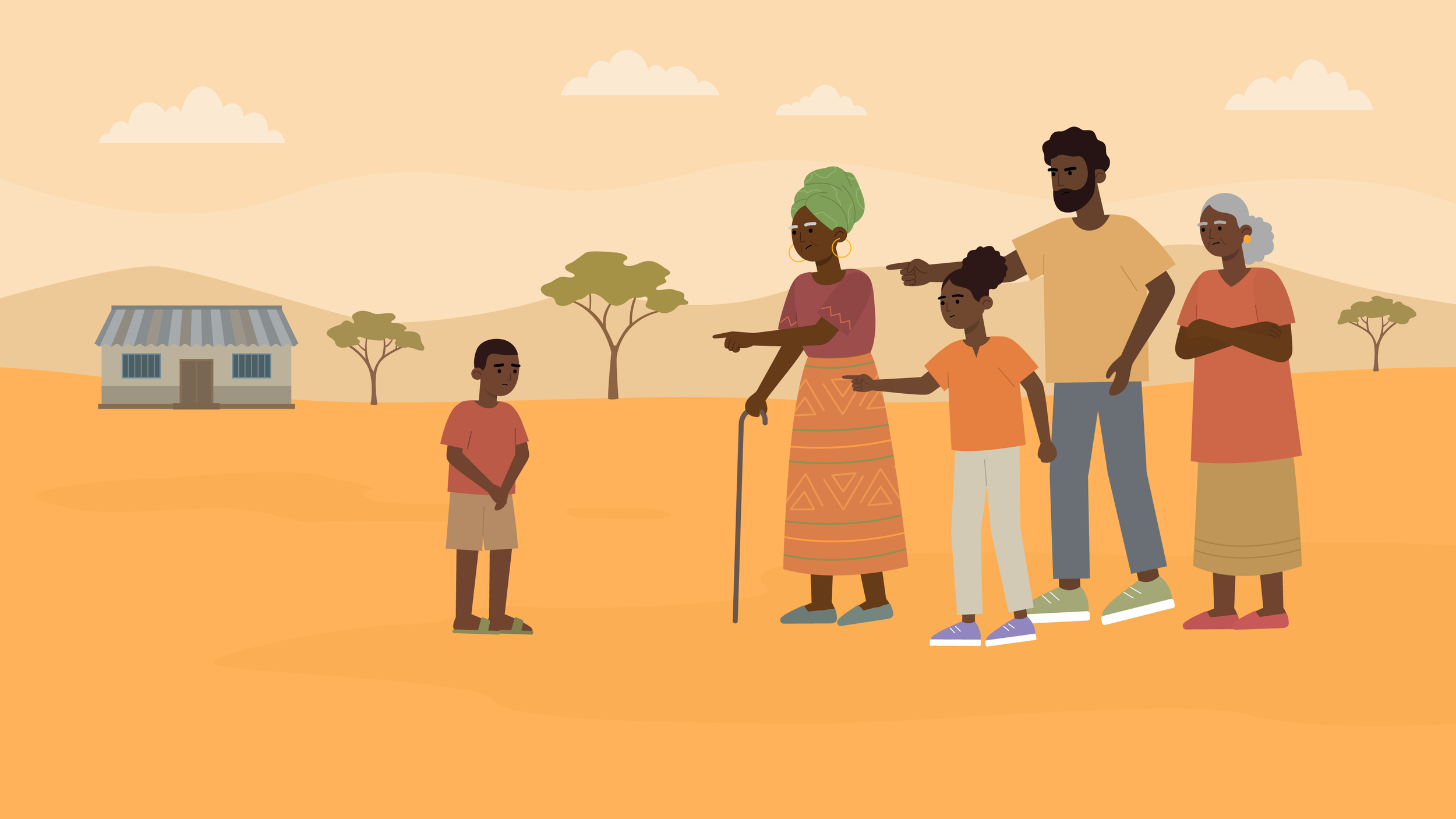
Millions of people across Africa live with epilepsy, and huge numbers of them never get treatment. It's not just that the medicine is unavailable or unaffordable, though limited access, under-resourced health systems and a shortage of trained healthcare workers all play a real part, stigma is a major driver too.
In many communities, seizures are still blamed on witchcraft, contagion, or spirits. So instead of going to a clinic, people hide, and the treatment gap stays wide open.
BAND wanted a charity explainer video to help close that gap. Something clear enough to explain a medical condition, honest enough not to dodge the stigma, and short enough that people would actually watch it all the way through rather than closing the tab, exactly the kind of nonprofit animation brief we exist for.
Why This Mattered
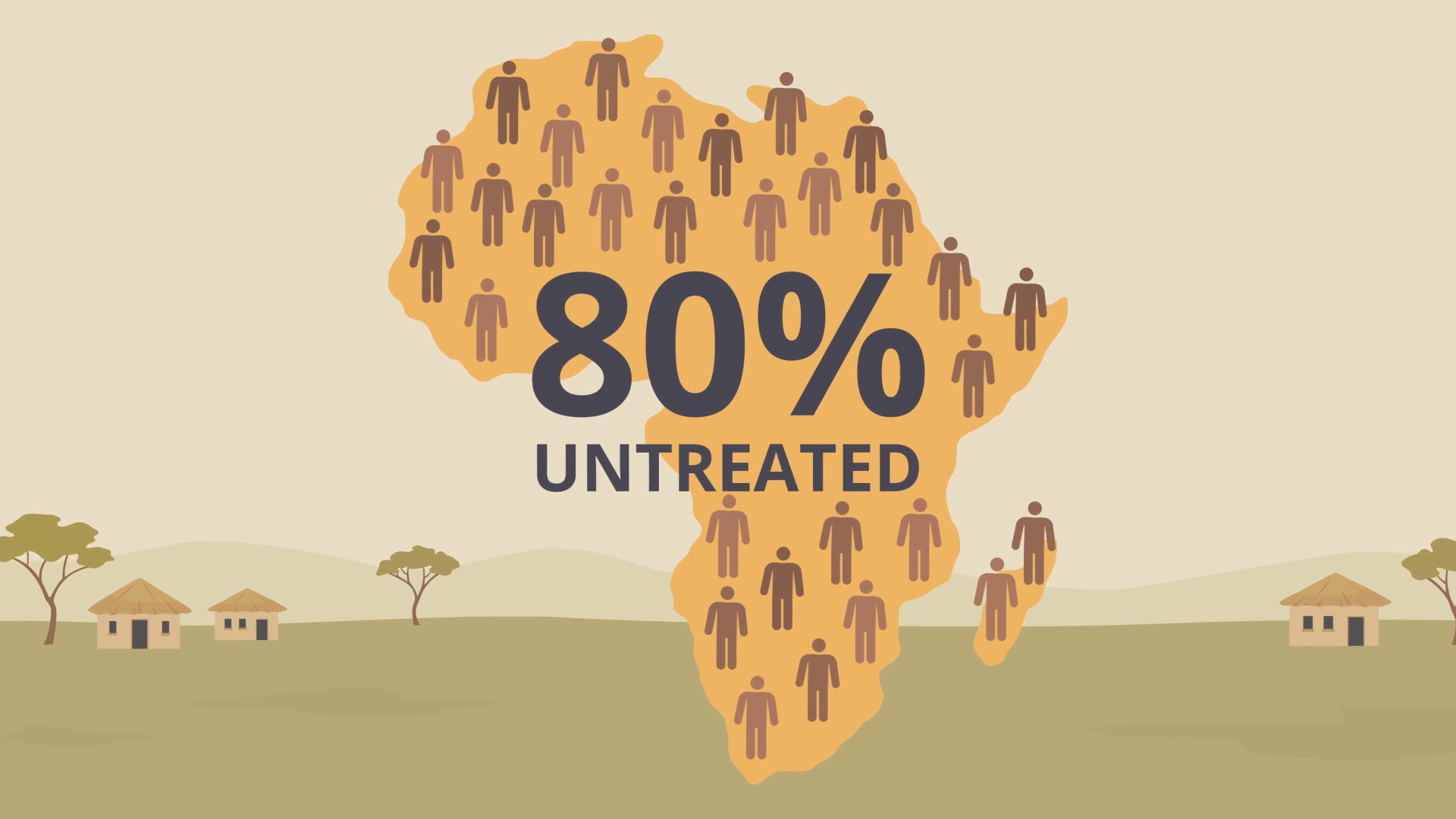
The stats do most of the talking here. Over 10 million people live with epilepsy in Africa. Nearly 80% of them get no treatment at all. That's not a small gap in provision, that's most people.
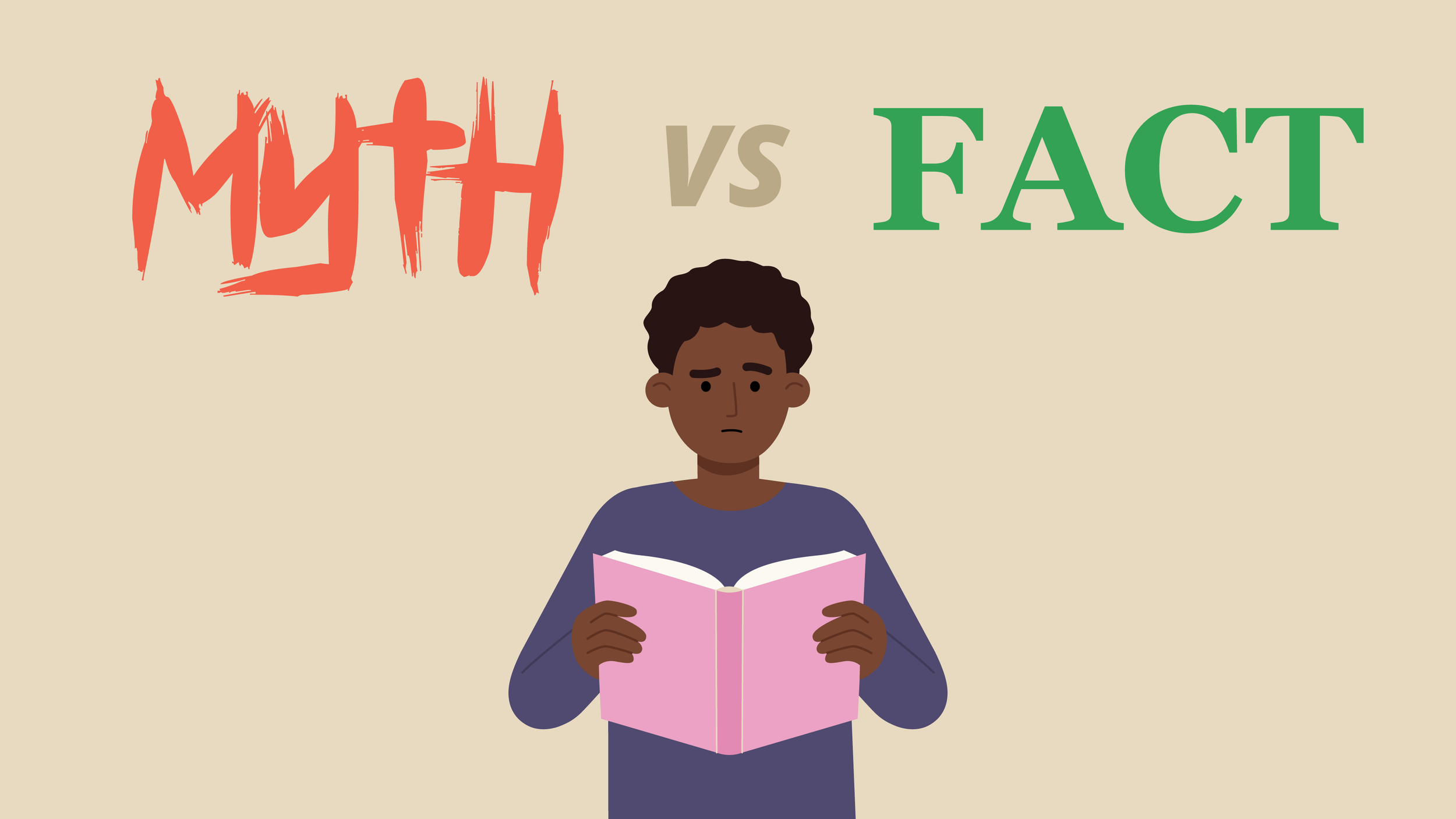
The video needed to do two jobs at once: gently correct a harmful misconception (epilepsy is not witchcraft, not contagious, not a mental illness) and make the case that this is genuinely solvable. Proven, affordable treatment exists. What's missing is investment, partnership, and a lot less stigma.
BAND already had a story with real stakes and real human cost behind it, the job was to keep that meaning intact as it moved through script edits and sign-off rounds, not to invent it from scratch.
That's a tricky needle to thread in about a minute of screen time. Go too clinical and nobody feels anything. Go too emotional and you lose the facts that actually change people's minds. We spent a fair amount of energy sitting exactly in the middle of that, which is honestly where most good medical animation and nonprofit animation lives.
This wasn't BAND's first time putting epilepsy stigma on screen. In January 2025 they released The Curse of Stigma, a 17-minute documentary made in association with the Whitten-Newman Foundation, following Kenyans living with epilepsy and the isolation they'd faced because of it. It's a beautiful, patient piece of long-form filmmaking.
What they hadn't tried before was a short explainer, something built for reach rather than immersion, that could open a funders' session or travel on its own online. That's the gap we were brought in to fill.
Our Animation Solution
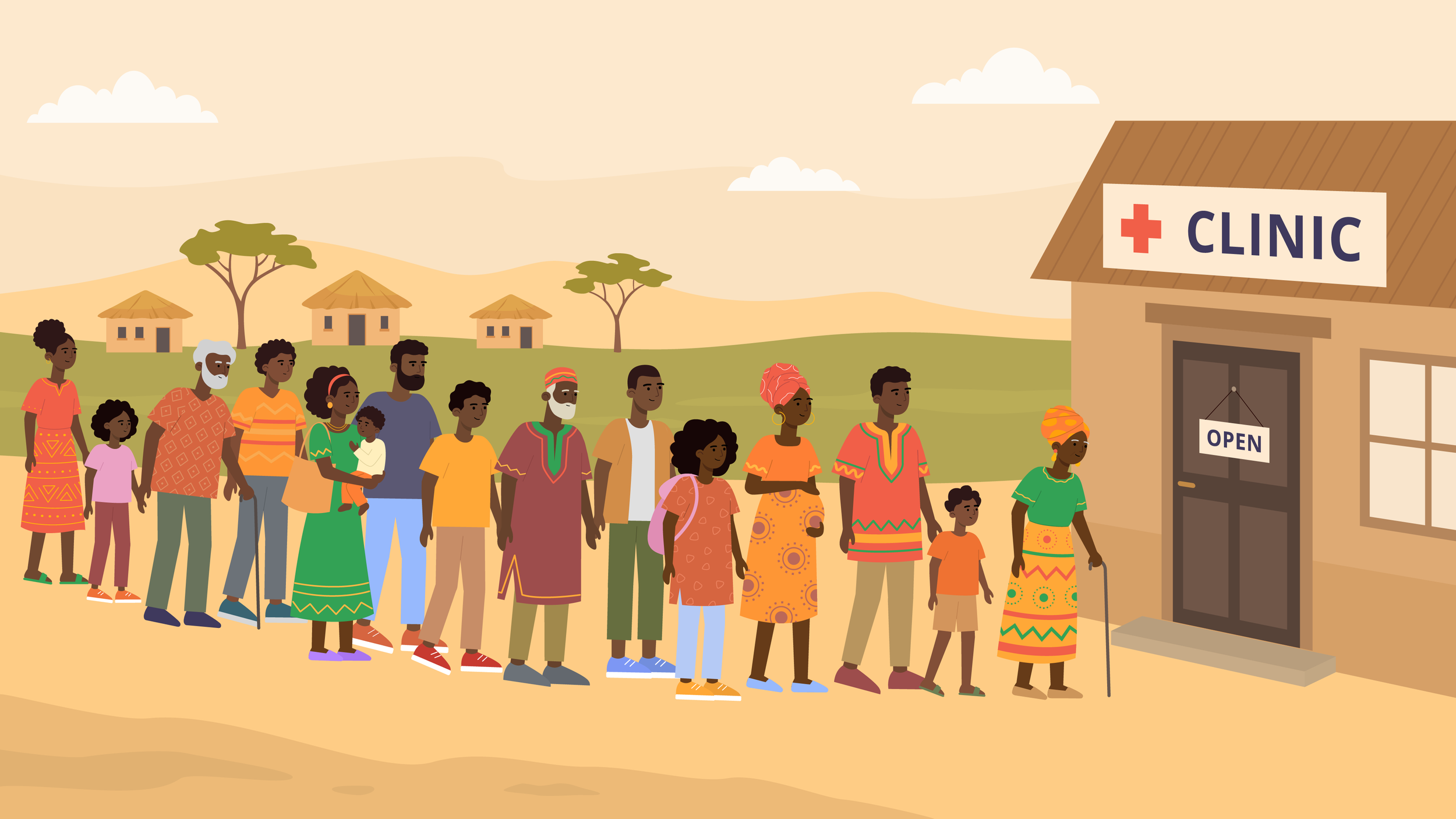
We landed on a mix of character animation and icon-led infographics, roughly half and half, built in a bright, distinctive 2D animation style made specifically for BAND rather than lifted from a template. Characters cover as wide a range of ages and genders as the story allowed, because epilepsy doesn't discriminate between toddlers and grandparents, so neither should the cast.
It's the kind of medical explainer video that has to work as both a public health message and a piece of storytelling, and that balance shaped every decision from here on.
The script needed a proper edit before any of that could happen. The original draft ran to around 4 minutes; we shaped it down to a lean 60 to 66 seconds, testing the timing with AI voice reads before a single second of real voiceover got recorded. (Yes, we make robots read scripts out loud just to check they fit. The glamour of animation production.)
None of the animation choices that follow matter much if that sentence-level work isn't right first. The script carries most of the weight on a project like this, the pictures just carry it home.
The Process
This one had more rounds of feedback than most of our projects, and that's not a complaint. Committees, health charities, funders with opinions, that's exactly the kind of institutional back-and-forth a project like this has to survive before it goes out under a foundation's name. Here's roughly how it went:
Mood Board
The mood board came first: a board full of reference images so BAND could agree what each scene should communicate before we illustrated a single pixel. One nice example of that process in action: the stigma scene went through a full rethink. The original idea had the word STIGMA crossed out, which sounds fine until you realise a crossed-out word usually means "problem solved," and stigma very much wasn't solved.
We landed on the word stamped across the screen at an angle instead, like a label being slapped on someone, which is a much more honest picture of how stigma actually works.
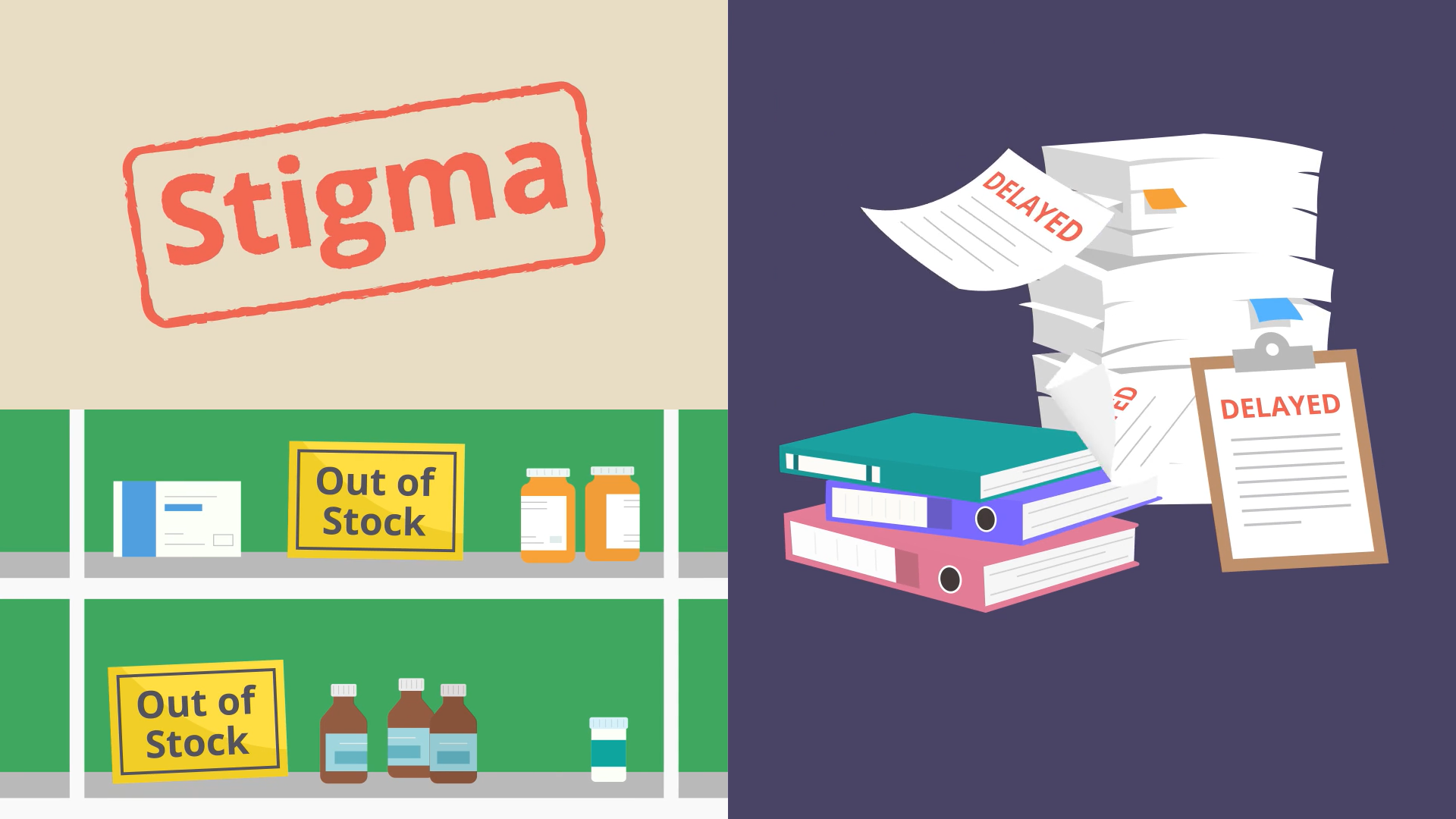
Illustration Style
Illustration moved through a couple of style directions before BAND landed on the one you see in the final film. Character diversity was a running theme throughout, more age groups, better gender balance, because a video about a condition that affects everyone shouldn't look like it only happened to one type of person.
Music
Music was kept deliberately understated, sitting in the background so the narration and the stats do the heavy lifting rather than a swelling string section. We landed on "Heart of Africa" by composer Marco Valentino, a warm, percussive track built from traditional instruments including kalimba, African drums, and marimba.
Final Edits
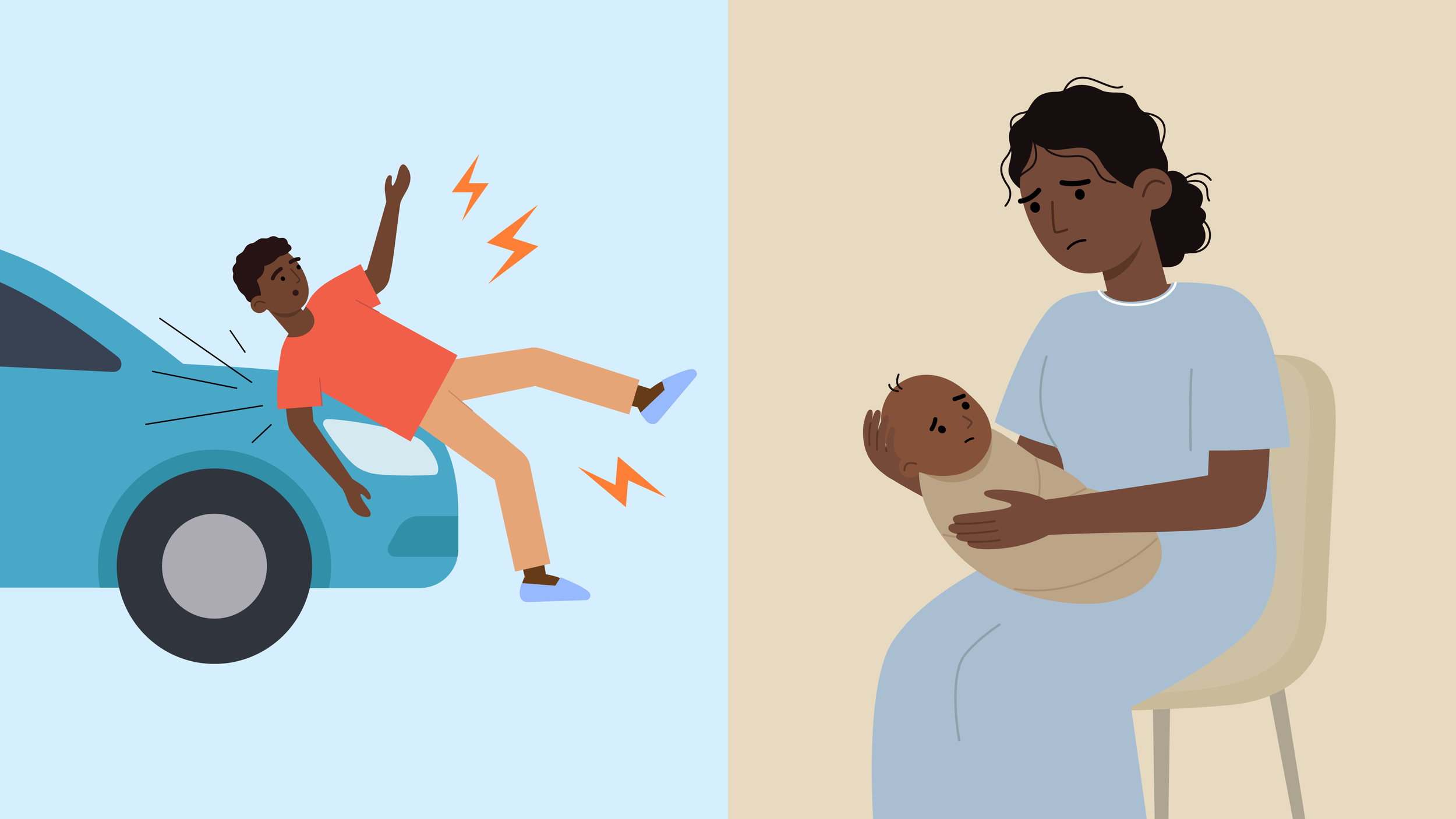
Small but meaningful edits kept coming right up to the finish line. One late addition was a mother in a hospital gown, dishevelled hair, cradling a newborn with an implied head injury, added alongside the causes scene so the video also covers birth injury as a cause of epilepsy, something BAND was keen not to leave out.
A subtle EKG monitor beep got added at the 35-second mark, right as the video pivots from the problem to the hopeful second half (we're animation nerds, we will absolutely spend real time on a single heartbeat sound effect if it earns its place). A QR code went onto the final frame so people watching at conferences could scan straight through to bandfdn.org/epilepsy instead of squinting at a URL.
Finding the Voice
The voiceover artist was Josef Israel, a voice artist we work with regularly. He was picked from six professional reads, all recorded from the same script, so BAND could compare them properly rather than going on vibes.
Results and Client Feedback
BAND rated the project 5 out of 5 in our post-project survey. Some of what they had to say:
Walid Hedidar, BAND's Program Director, on what he liked about working together: "the involvement in the decision making." His one bit of constructive feedback was refreshingly honest: "less back and forth, less options to choose from, sometimes it felt overwhelming." It was useful feedback, and something we've taken forward: offering a more focused selection of options while keeping clients closely involved in the decisions that matter.
Gardiner Lapham, BAND's Principal, called the finished film "amazing" and said the team "love the film."
Walid later put it in writing as a LinkedIn recommendation:
"We worked with Leo and the Leon! Animations team on an explainer video about epilepsy in Africa. They brought real experience in medical animation and healthcare communications, and involved us closely in the creative process, sometimes we had more options than we knew what to do with, but the final animated video was excellent. Great team to work with, would recommend to any healthcare or nonprofit organisation."
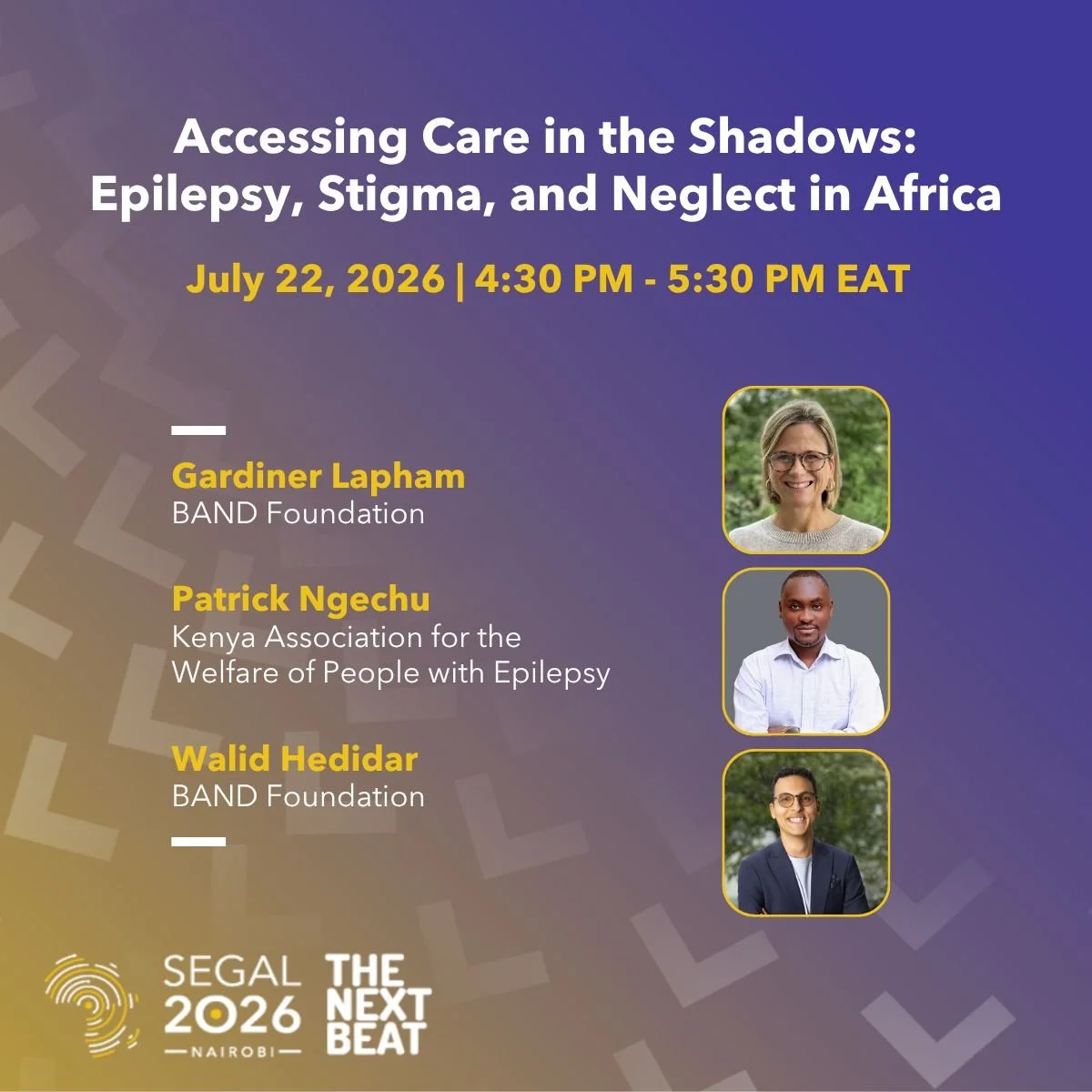
Since launch, the film has been shown at events including a Segal Family Foundation funders' session in Nairobi in July 2026, where BAND Foundation, alongside the Kenya Association for the Welfare of People with Epilepsy, used it to open a discussion on epilepsy treatment and funding gaps across the continent.
You can watch the final film at the top of this page, or here on YouTube. To learn more about BAND's work on epilepsy, visit bandfdn.org/epilepsy.
This is roughly our whole world: mood boards, careful illustration, way too many rounds of "can we just tweak one more thing," and a finished charity explainer video people actually watch to the end rather than skip.
We're not a generalist studio that also does nonprofit work on the side. Charity animation, healthcare animation, and NGO animation, that's the whole business for us, and animation studio services built specifically for causes like BAND's is what we do all day, every day. If that's what you're after, get in touch.