YouTube plays a different game to the rest of social media for nonprofits. Most people arrive on purpose. They search for a video, click it and, on a good day, watch all of it.
That makes YouTube for nonprofits slower to build but longer lasting. A good video can keep finding viewers years after it goes up. If you want the classics, we've collected them in Best Nonprofit Videos of All Time.
We looked at the biggest channels first, then picked six videos worth your time. Some reached millions. Some reached very few. We'll be upfront about both.
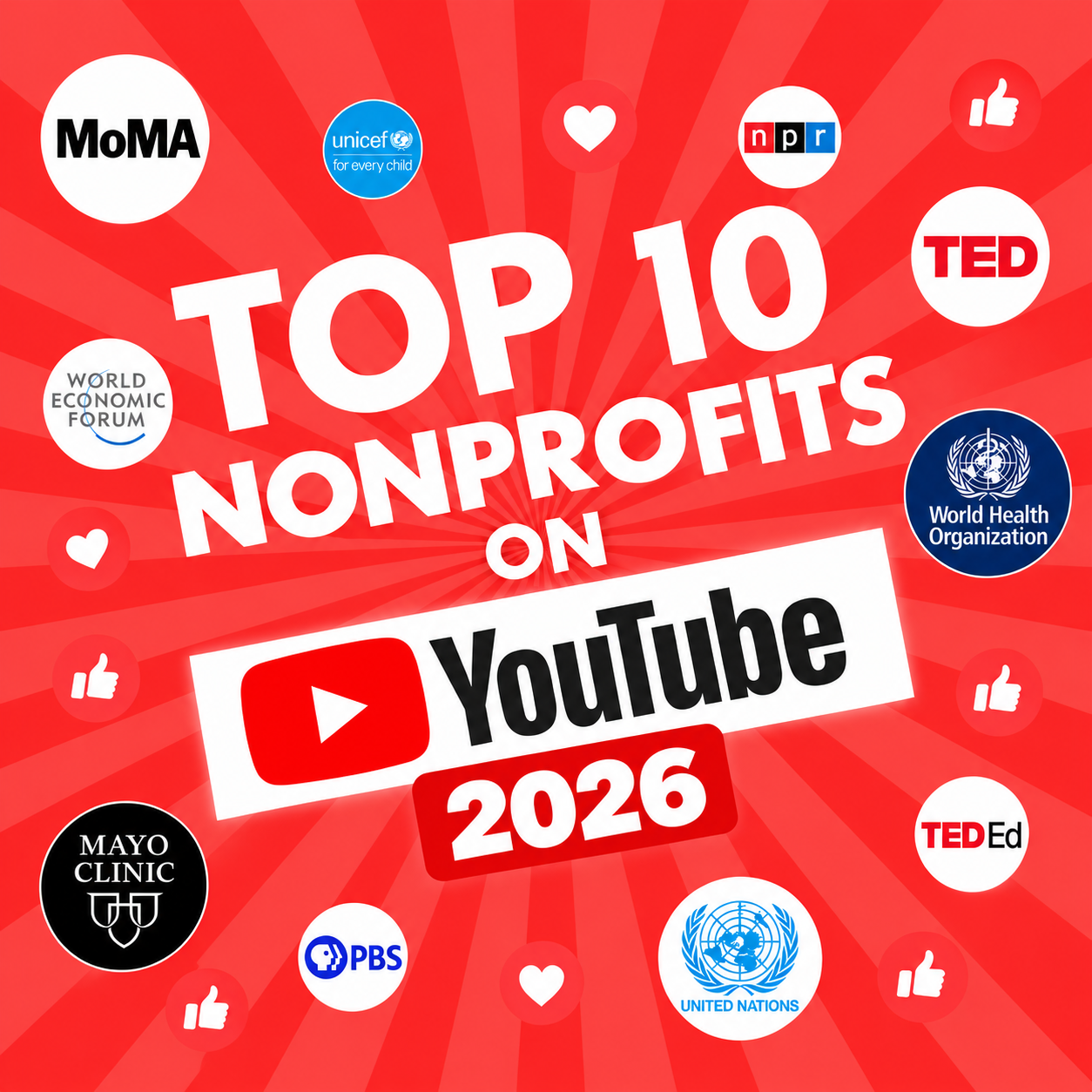
The Top 10 Nonprofits on YouTube
The ten largest nonprofit and public-sector YouTube channels by subscribers, as of October 2026:
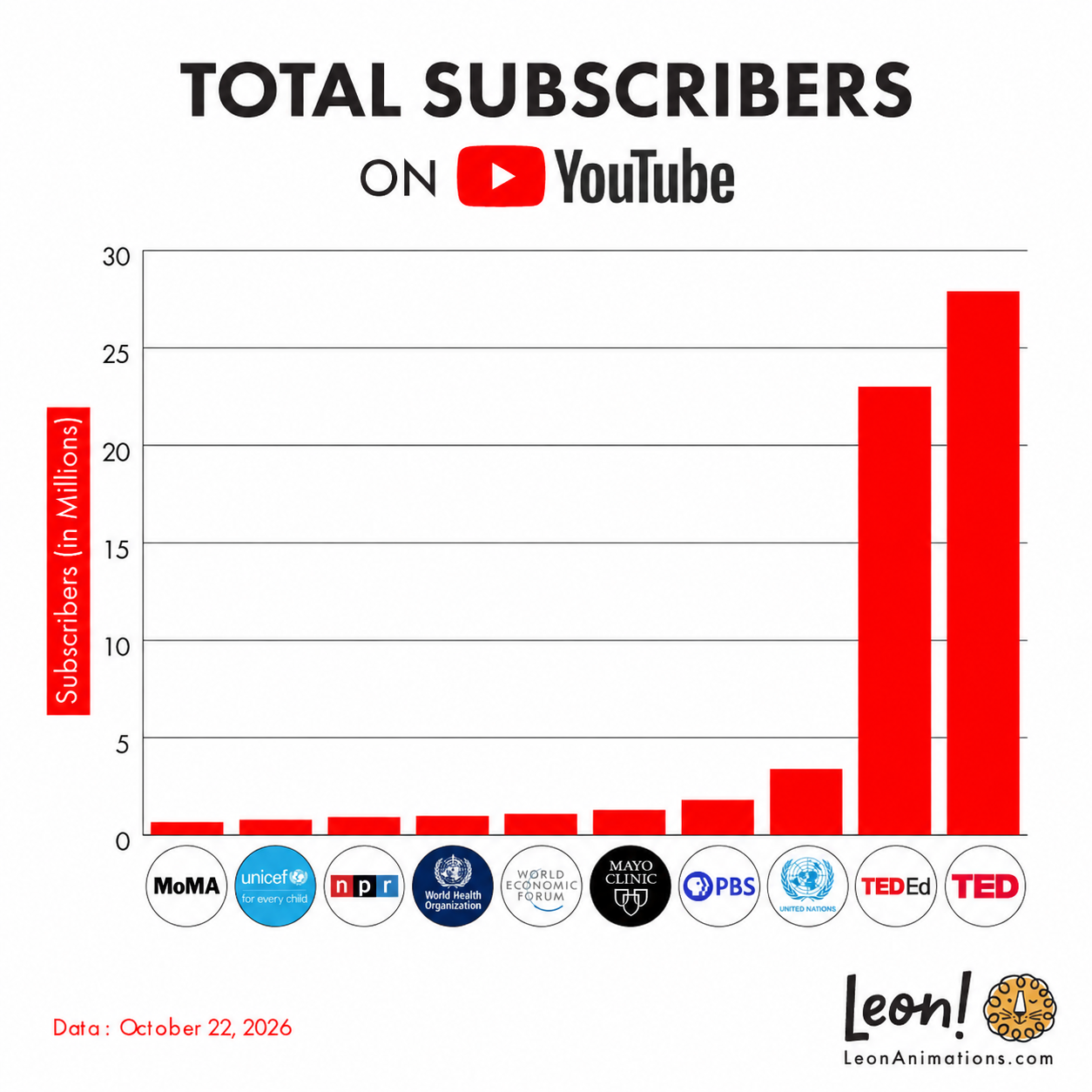
TED (27.9 M)
TED-Ed (23M)
United Nations (3.39M)
PBS (1.81M)
Mayo Clinic (1.27M)
World Economic Forum (1.08M)
World Health Organization (0.96M)
NPR (0.91M)
UNICEF (0.78M)
MoMA (0.65M)
TED takes both of the top two spots, which is worth pausing on. The second is TED-Ed, TED's education channel and probably the best nonprofit animation channel on YouTube. Its animated lessons consistently pull in millions of views, and it has 23 million subscribers. After the two TED channels, the United Nations is a distant third, and no other channel on the list passes two million subscribers.
Subscribers only tell part of the story, though. UNICEF ranks ninth, but its video below has nearly 13 million views, roughly 17 times its subscriber count. In social media marketing for nonprofits, that's the number to remember. YouTube for charities isn't only about channel size: one great video can travel far beyond your subscribers.
Standout Videos: Biggest Reach
Three videos that found a big audience in three different ways: nostalgia, a K-pop band and a spooky history lesson.
UNICEF: A 90s Invention Like No Other
This UNICEF video marks 30 years of ready-to-use therapeutic food, a treatment that lets severely malnourished children recover at home. It pitches the treatment as a forgotten 90s invention, and it has nearly 13 million views.
We also covered it in our Best Nonprofits on X 2026 blog.
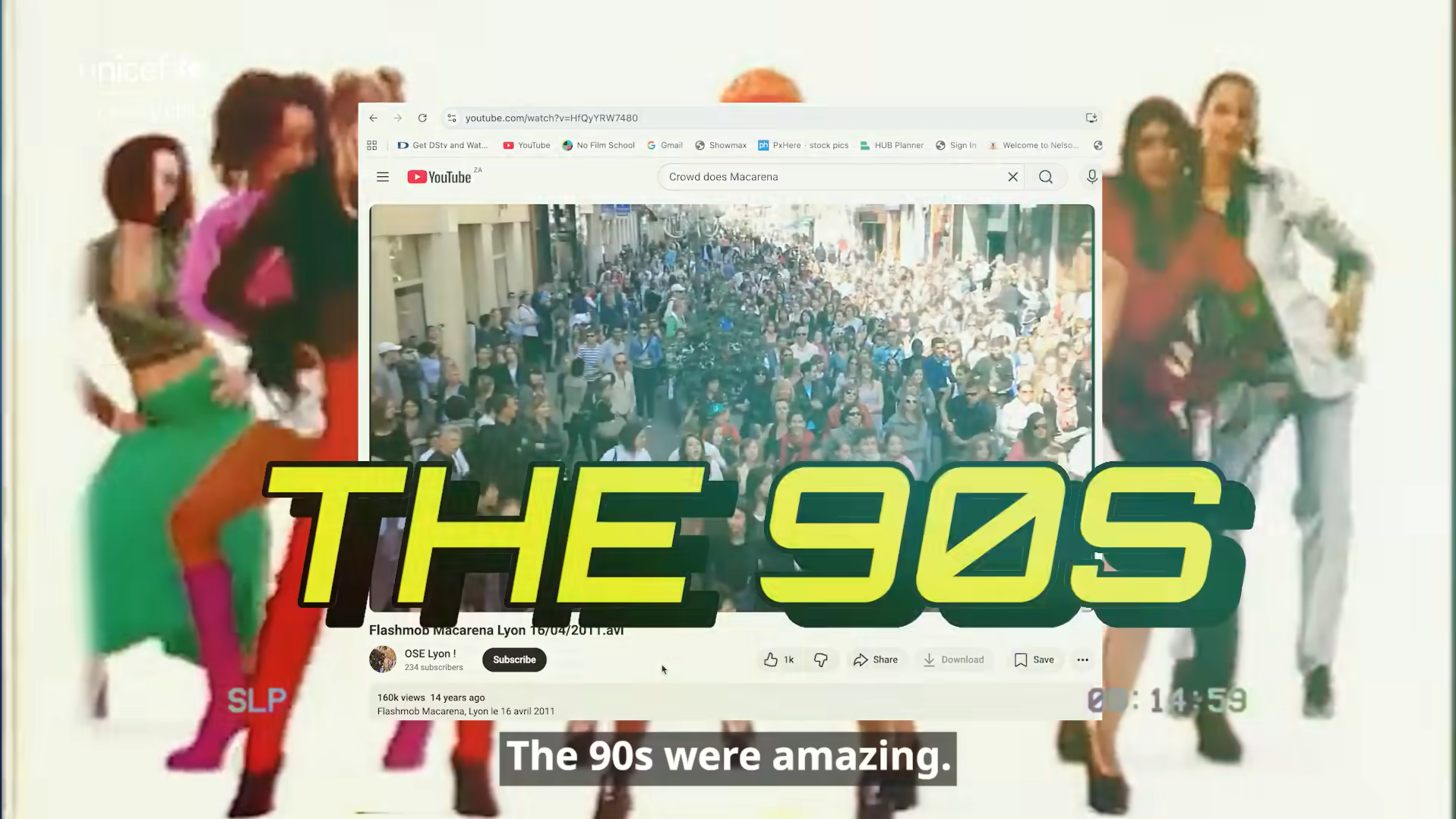
The structure is tight: 90s nostalgia, a surprising invention, what changed, proof of scale, and the need that remains. It opens on an old analog TV playing the Macarena, then lines the treatment up with other 90s trends, like early mobile phones. Fast retro editing keeps it moving. One line, "I can treat my child at home," is where the nostalgia gives way to the point.
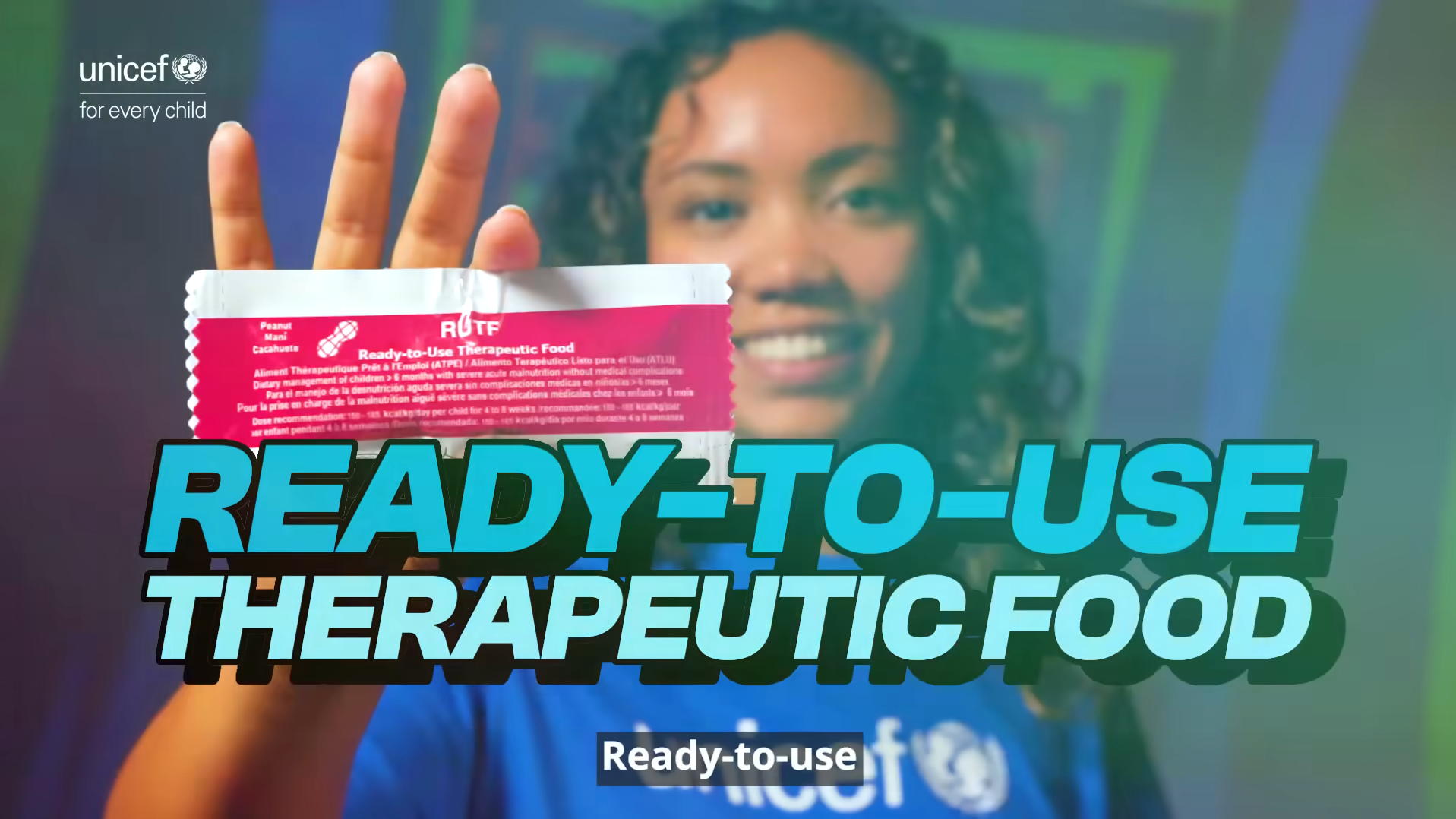
The need is still large. UNICEF said in May 2026 that more than 12 million children worldwide are suffering from severe wasting. Oddly, that's close to this video's view count, a coincidence that puts the scale in perspective. The description adds a "Learn more" link, so the video has somewhere to send people.
WHO: K-Pop ENHYPEN Donate Blood
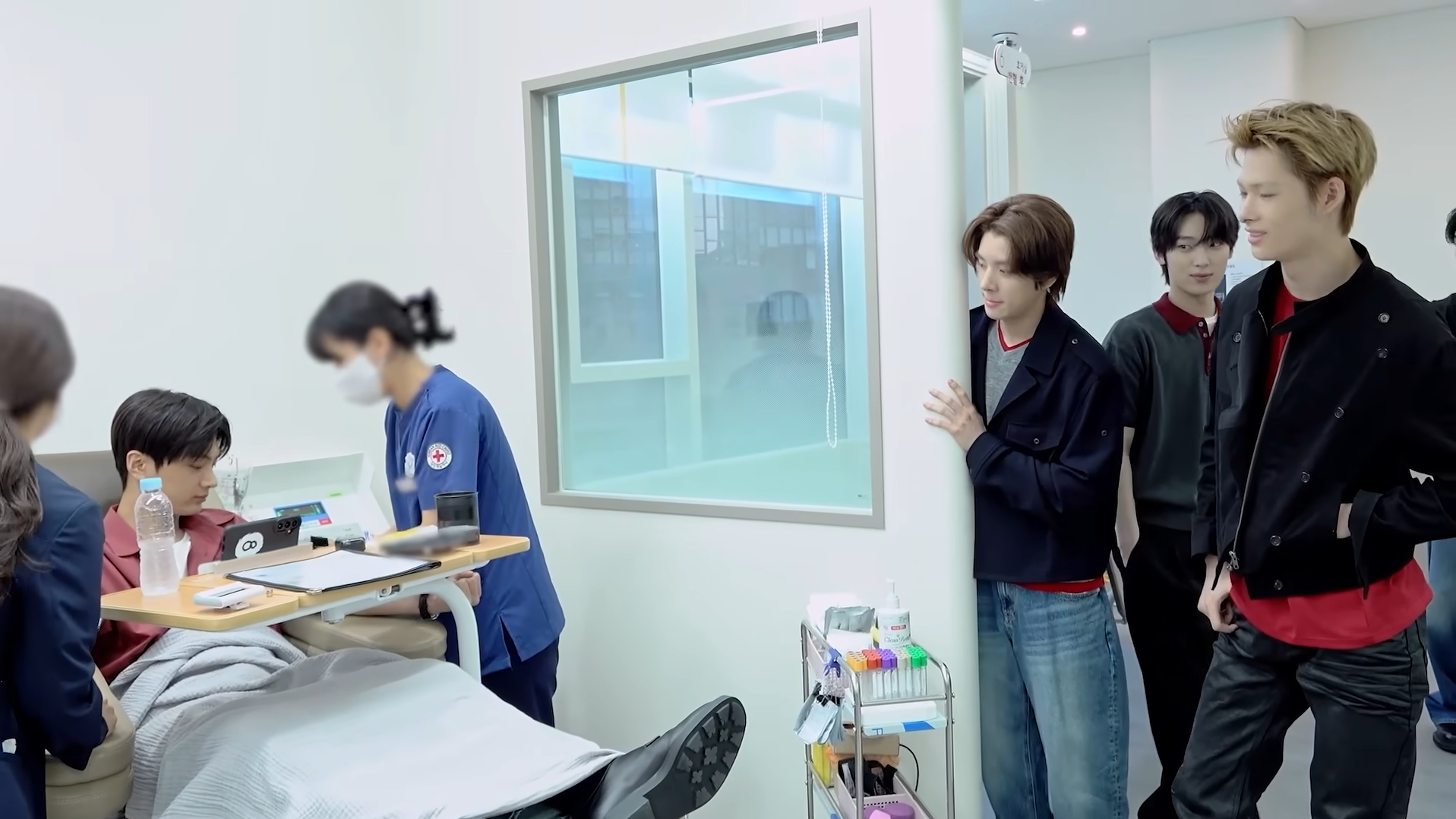
Four members are screened and can't donate. Two, JAY and JUNGWON, give plasma. Showing both outcomes is the smart part. It gives nervous first-timers a realistic picture, including the chance of being turned away.
"Thirty minutes of dance practice is harder than this," one member says. A fan comment sums up the mood: "Even though the 4 of them couldn't donate, they still wanted to donate in their hearts."

By late August, WHO reported more than 9,000 pledges from 177 countries for the wider campaign. That figure covers the whole campaign, not just this video.
If you have access to a group this famous, use it. Most nonprofits don't, but the format still travels: show the real process, nerves included, instead of a polished appeal.
The Met: Poisonous Colors in Art
This animation from The Met explains how its scientists and conservators identify and safely handle historic paintings that contain toxic pigments, such as arsenic. It has almost 600,000 views.
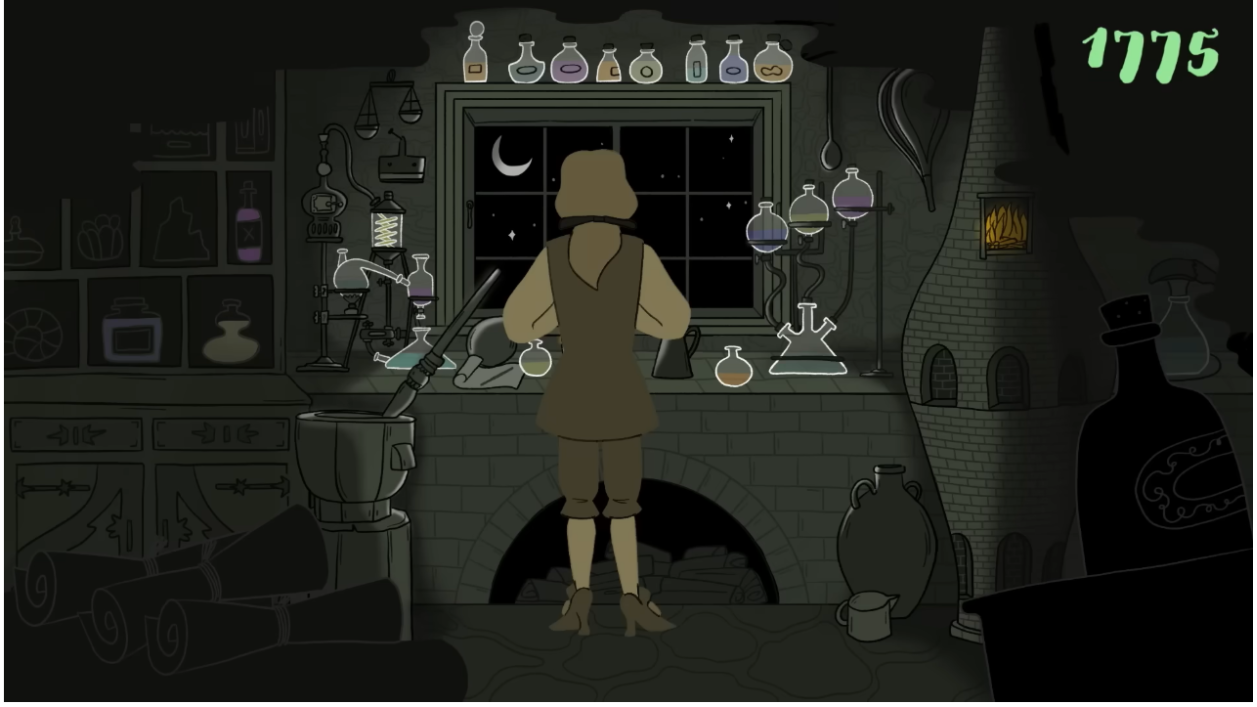
It starts like a horror story ("Stay tuned... if you dare."), with 18th-century chemist Carl Scheele and his vivid green pigment, Scheele's Green, which contains arsenic. Then it goes behind the scenes at the museum. The pigments only become truly dangerous if they flake off into your mouth or eyes, which is why careful handling matters.
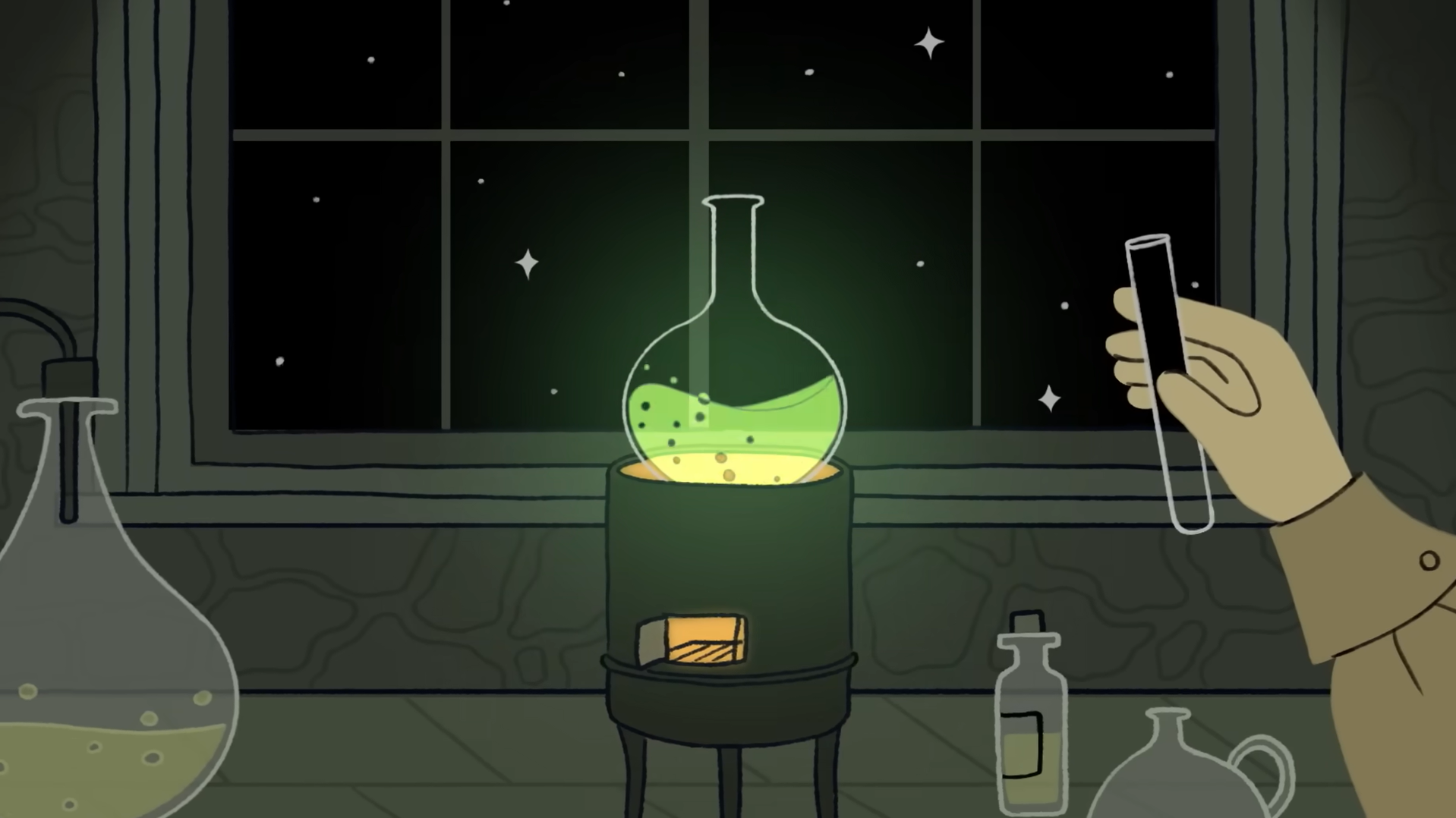
The animation is clean 2D in dark olive greens and earthy browns, with Scheele’s Green itself, the arsenic green, lighting up at key moments. Toxic pigments become "mischievous little monsters". The question driving it all: "How could something so beautiful be so deadly?"
Standout Videos: Best Storytelling
Three videos picked for their storytelling, whatever their view counts.
Save the Children: The Elephant in the Room
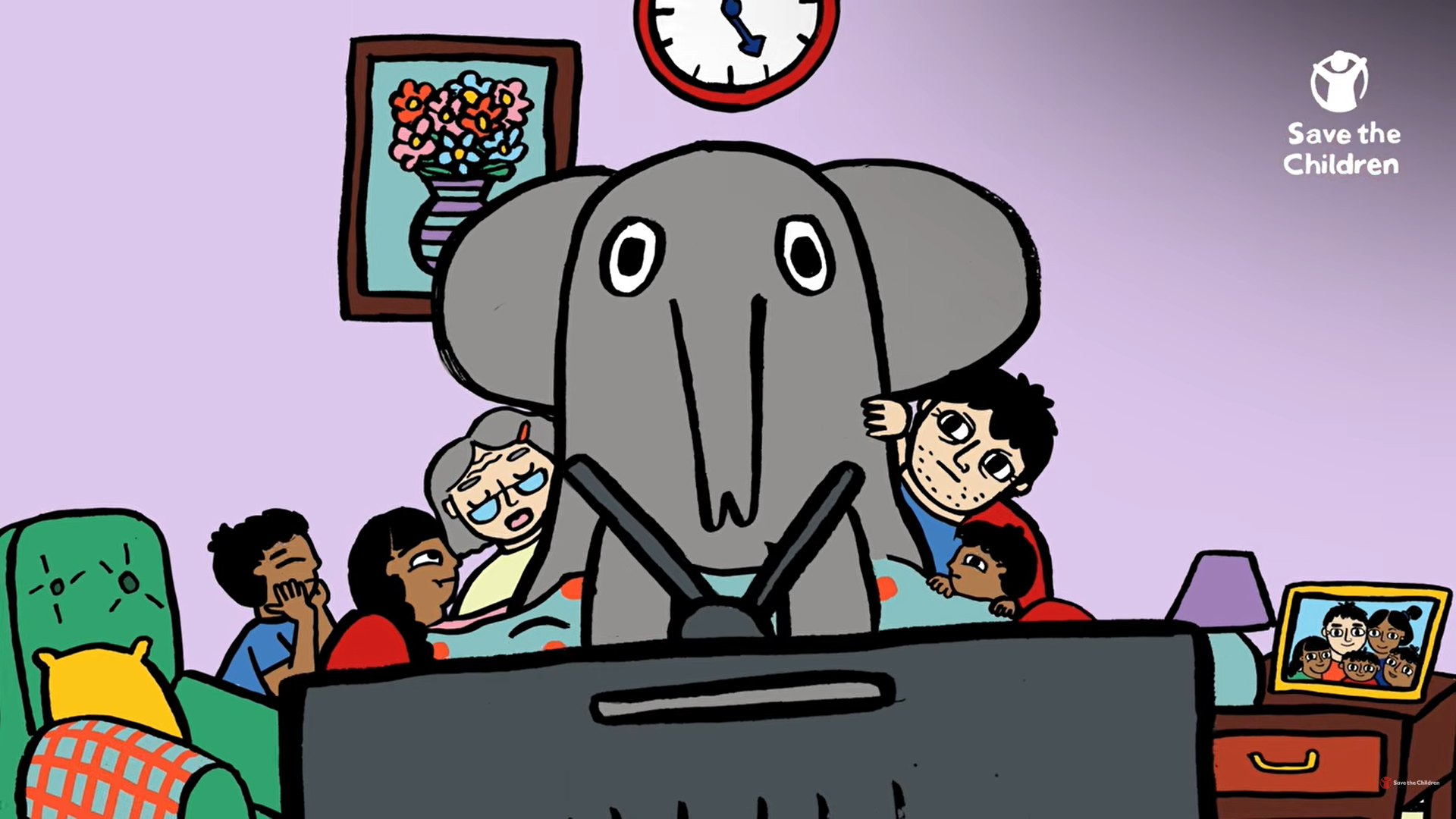
Save the Children is a film about summer holiday poverty in the UK. When school meals and free activities disappear, many families struggle to afford food and days out. Narrated by actor Himesh Patel, it follows a child who worries about going back to school with "no stories to tell or clothes to wear."
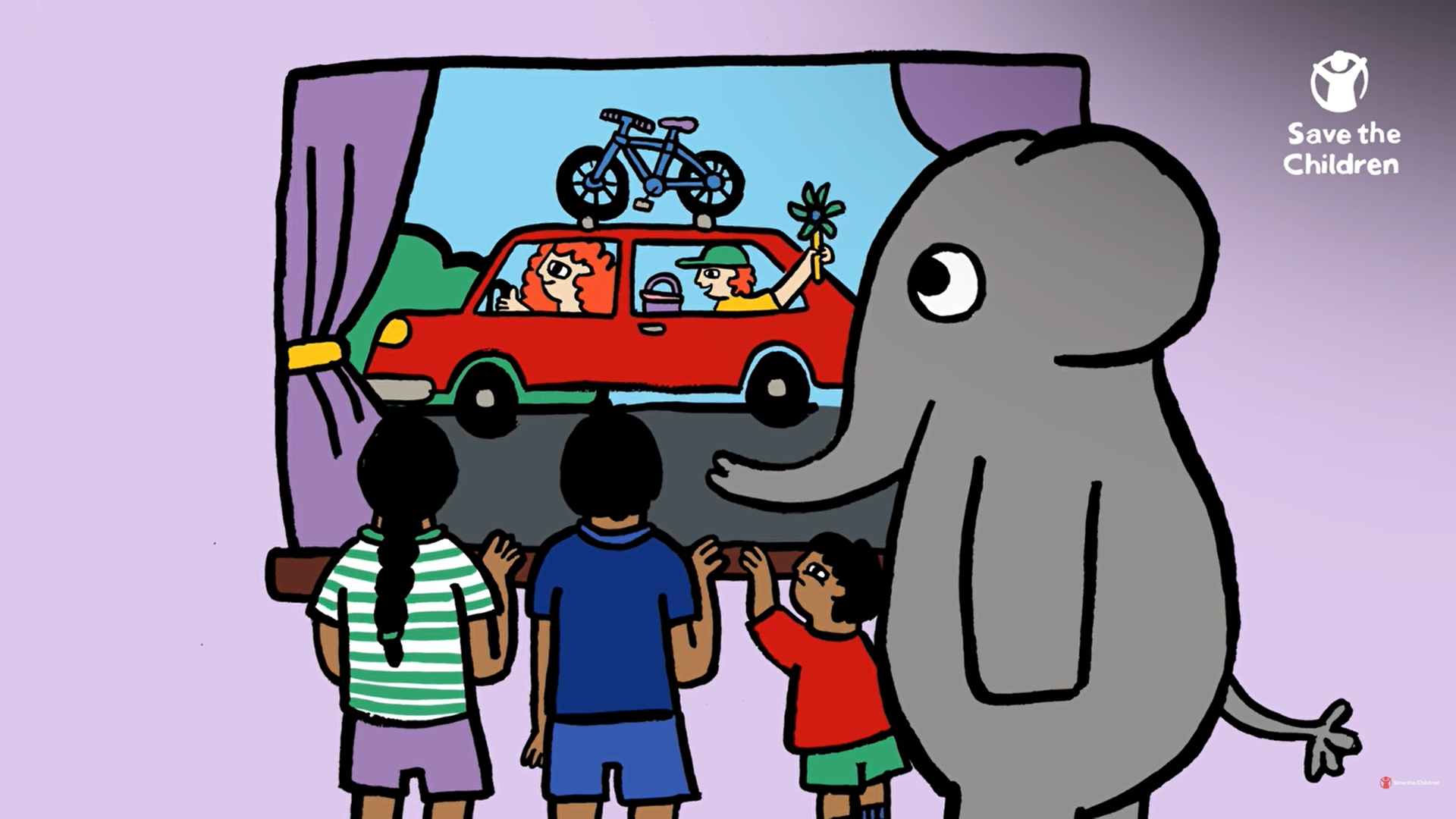
Its big idea is the elephant in the room. As the family's money worries grow, so does an elephant, until it fills the house. When support arrives, it shrinks. The film is designed to help parents talk to their children about poverty. Illustration is by Alice Bowsher, animation by Plastic Horse.
The line that lands hardest is "We started to count down until we could go back to school." It flips what the holidays are supposed to mean. The film says 4 million UK children are growing up in poverty this summer.
TED-Ed: Do Imaginary Friends Make You Smarter?
About 1.5 million views, and a hook worth studying: "Amia is very real, and Zelba... is not."
TED-Ed, the education arm of the nonprofit TED, is a reliable performer. Its animated lessons regularly draw millions of views, and this one is no exception.
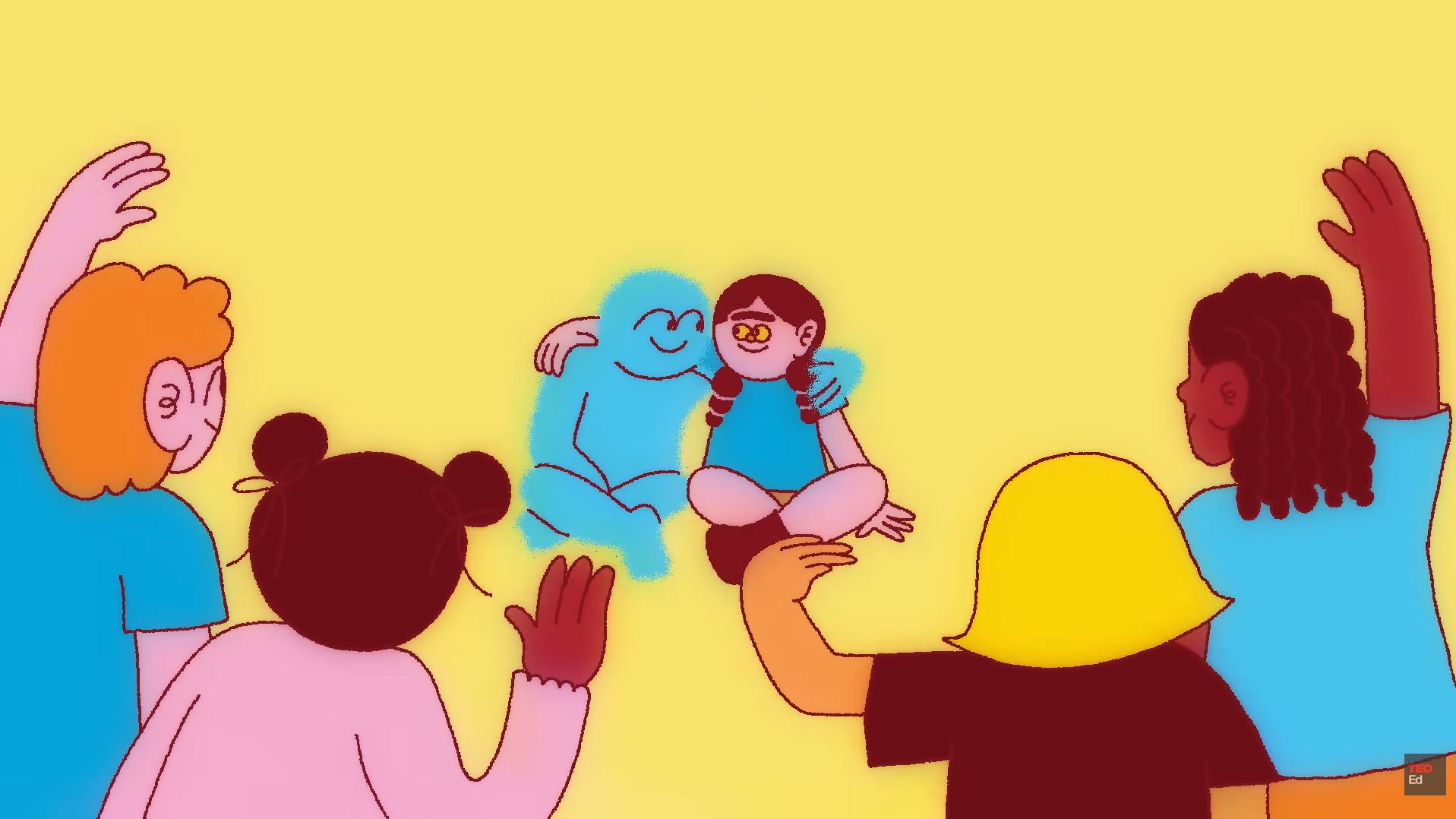
The film explains why children invent imaginary companions, and argues that it helps them practise emotions and relationships rather than signalling loneliness. A 2004 study cited in the video found that around 67% of US children under eight had an invisible companion.
The animation makes the invisible visible. Imaginary friends are drawn as fuzzy, dashed outlines, so you can see what the child sees. It was directed by Caitlin McCarthy, in collaboration with the LEGO Foundation.
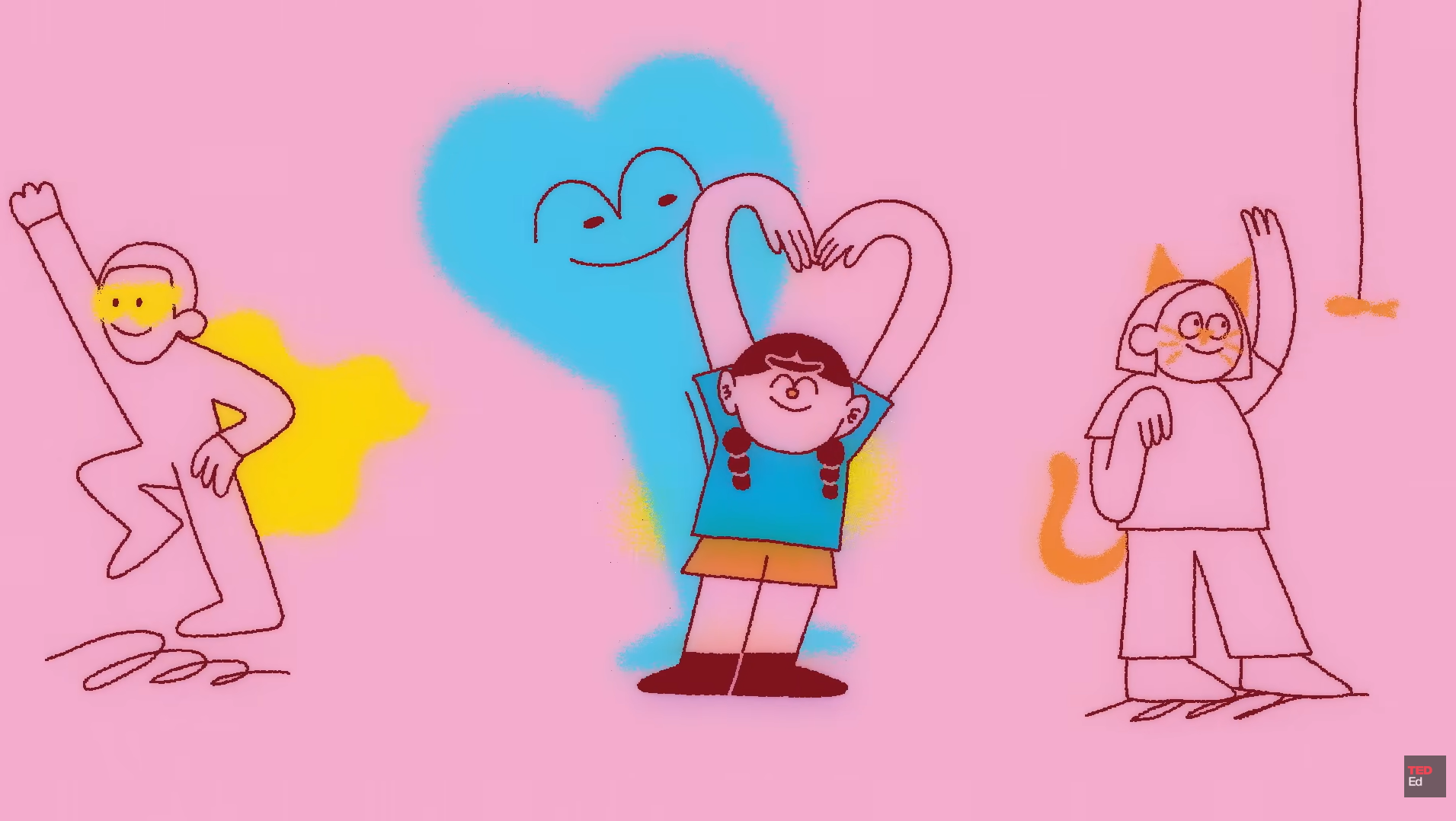
"My imaginary friend is still with me to this day and plays a key role in my mood regulation," one viewer wrote. That's the video's closing idea in one sentence: a child chatting to thin air is "the beginning of a lifelong conversation".
BAND Foundation: Epilepsy in Africa
This one is ours. It's a medical animation we made for the BAND Foundation, It's on a new YouTube channel, and since launch the film has been shown at events, including a Segal Family Foundation funders' session in Nairobi in July 2026. There, BAND and the Kenya Association for the Welfare of People with Epilepsy used it to open a discussion on treatment and funding gaps.
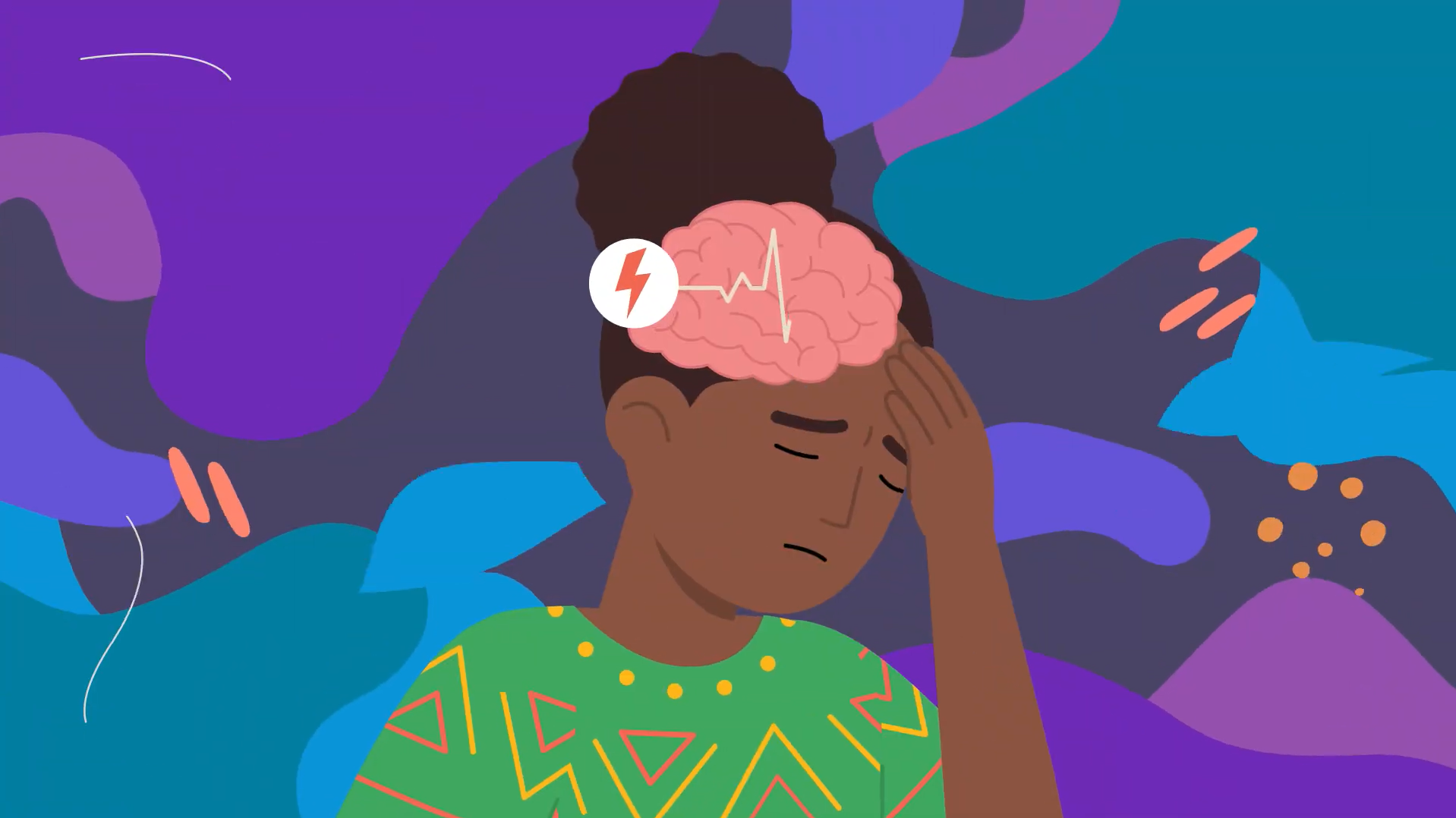
That's what explainer videos like this are for. They work as one-minute elevator pitches, not Beyoncé-style pop videos. The style is clean, flat-vector animation in warm, optimistic, African-inspired colours, built so medical information feels accessible, not clinical.
Over 10 million people in Africa live with epilepsy, and nearly 80% receive no treatment, even though medication can cost just a few dollars a year. The gap isn't only about medicine.
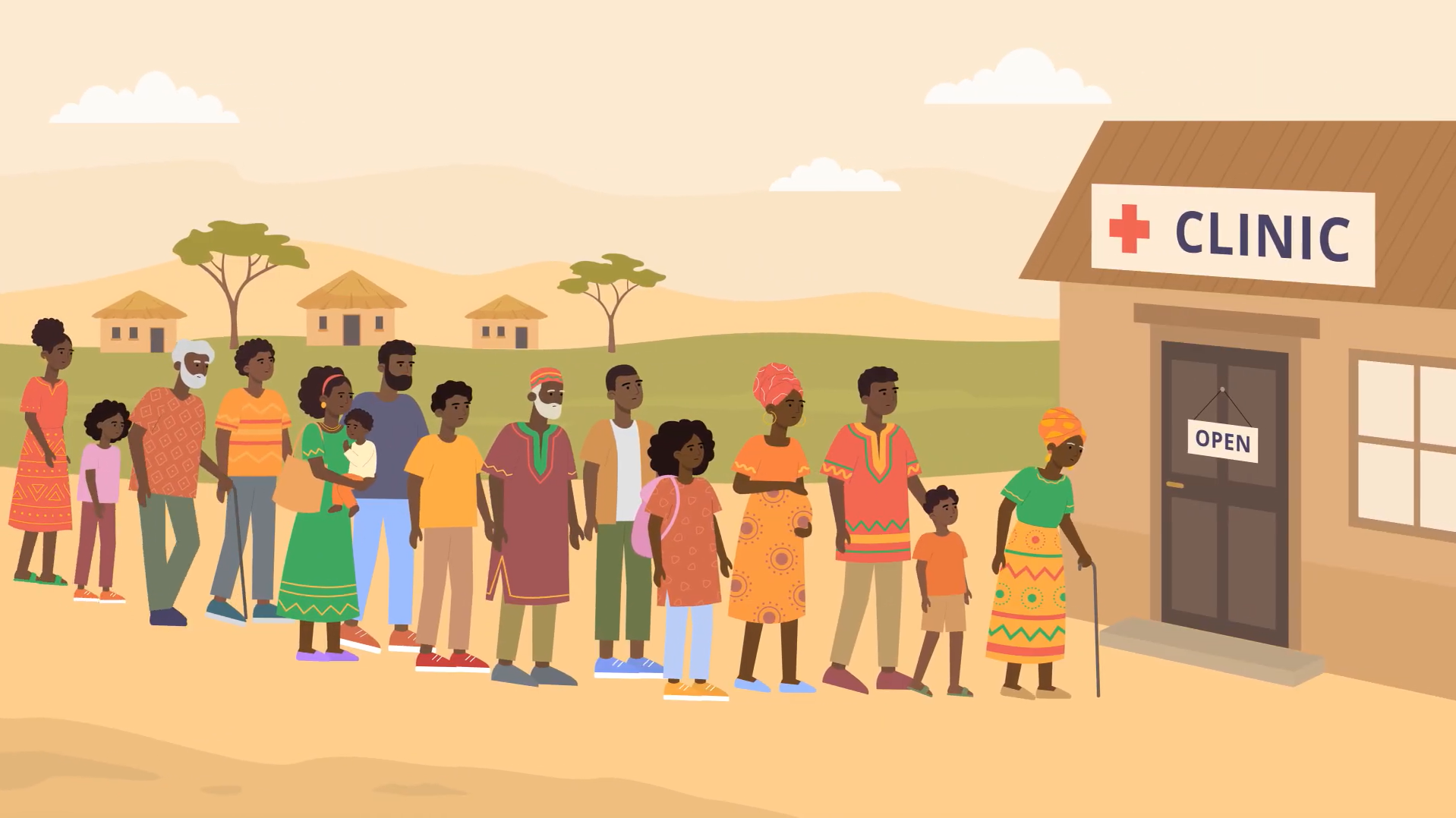
Health systems are stretched, trained health workers are scarce, and in many communities seizures are still blamed on witchcraft or spirits, so people hide instead of going to a clinic. The film takes those myths on directly and ends with a clear ask: "Medication costs just a few dollars per year… You can help close this epilepsy treatment gap."
What Can Nonprofits Learn From These Examples?

Start with the hook. Nostalgia, a K-pop band, a horror-story opening, an elephant, a friend who isn't real. Each video gives you a reason to keep watching within seconds.
Then be honest about reach. Most nonprofit animations aren't trying to go viral. They're trying to explain something clearly to the right people. In your nonprofit social media strategy, set the goal first, then choose the platform. See how the same organisations do on LinkedIn, Instagram, X (Twitter), Facebook and TikTok.
Finally, look at the animation. Four of these six videos are animated, and each shows something you can't easily point a camera at: an invisible friend, the weight of poverty, a poisonous pigment, a treatment gap.
That's where charity animation earns its place, and where an animation studio is worth the budget. More examples: 40 Animated YouTube Videos, 40 Nonprofits. And for how nonprofit work differs from corporate: Nonprofit vs Corporate YouTube Animated Videos.
At Leon! Animations, this is what we do all day: nonprofit animation, NHS animation and healthcare animation for charities, NGOs and public sector organisations, including the UN and IOM.
Got a story that needs a video, and a plan for where it should live? Come talk to us, or find Leo, founder and director of Leon! Animations, on LinkedIn and introduce yourself in the connection request. You can also follow Leon! Animations there for more of this.